Key Takeaways
-
Preventive maintenance in Apollo Beach focuses on keeping water out, since salt air, humidity, and storms make moisture the biggest threat to homes on the Gulf Coast.
-
Catch early warning signs like recurring ceiling stains, musty smells, peeling paint, worn sealant, and sticking doors before small issues become costly repairs.
-
Use a maintenance contractor for seasonal checkups and small fixes, but bring in a licensed remodeling contractor for storm damage, structural issues, or recurring leaks.
-
Covering a stain with paint will not stop a leak; find and fix the moisture source first to avoid paying twice for the same repair.
-
Verify any contractor's license on Florida's MyFloridaLicense.com portal and confirm it covers the specific type of work you need before signing.
-
Get every project in writing, including scope of work, itemized pricing, schedule, payment terms, permit responsibilities, and warranty details.
If you own a home in Apollo Beach, you already know the Gulf Coast lifestyle comes with a price tag. Salty air, summer humidity, and heavy storms put your house to the test every year. So when something starts to look worn, you may wonder who to call. A handyman? A maintenance crew? A full remodeling contractor?
That question matters more than you might think. The right call can stop a small leak from turning into a big repair. The wrong one can leave you with patched-over problems and no paperwork. In this guide, we compare a preventive home maintenance contractor in Apollo Beach with a licensed remodeling contractor. You will see what each one does best, where each one falls short, and how to pick the right fit for your project.
We are iCorry Construction (Florida License CRC1334854), and we help Apollo Beach homeowners every day with repairs, remodels, and rebuilds. Let’s walk through it together.
What Does Preventive Home Maintenance Mean in Apollo Beach?
Preventive maintenance means finding small problems early so they stay small. In a coastal town like ours, that mostly comes down to one thing: keeping water out.
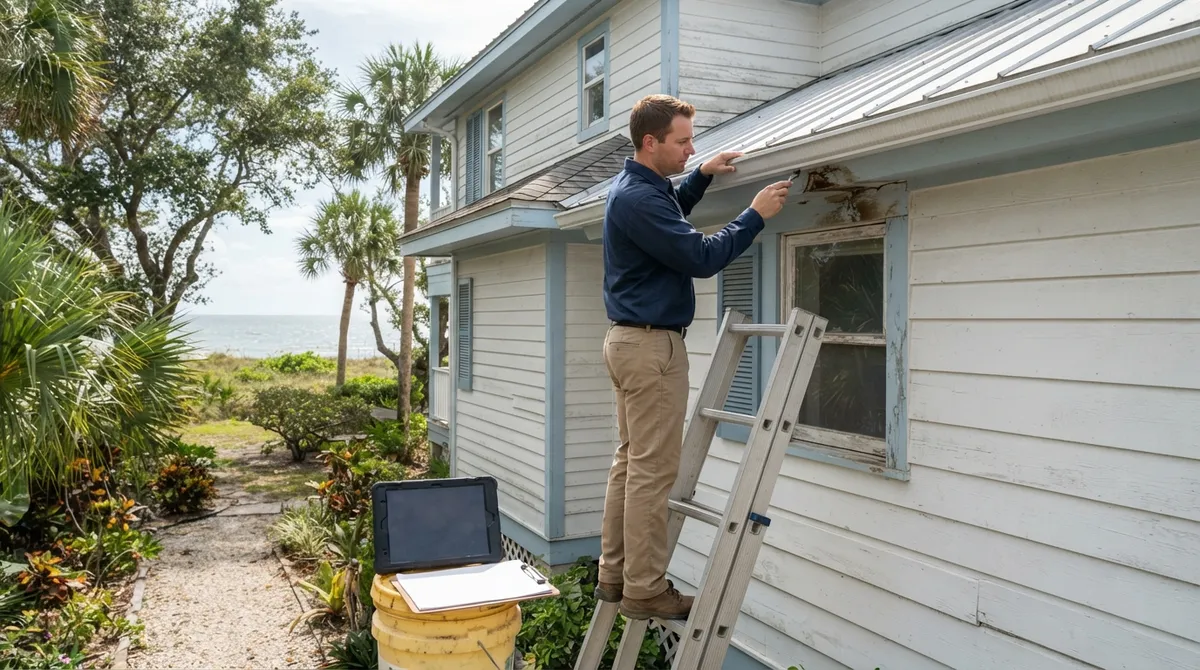
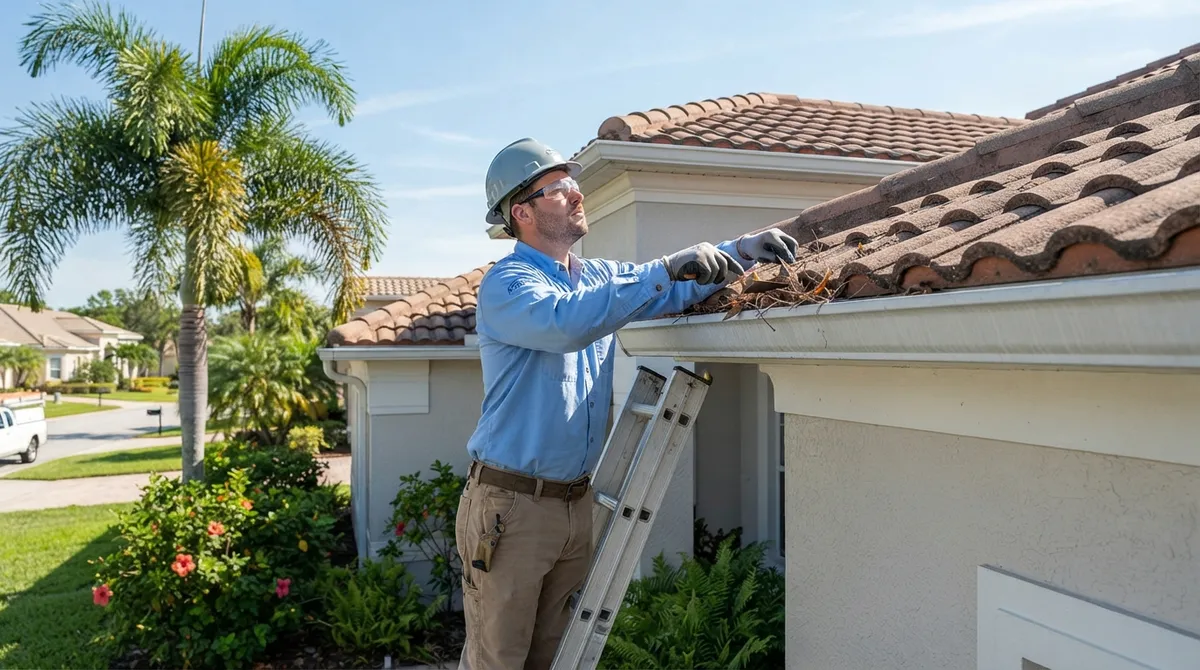
A preventive home maintenance contractor in Apollo Beach usually handles routine checks and smaller repairs. This can include looking at windows and doors, exterior sealants, drainage, decks, drywall, and spots where moisture likes to sneak in. Local service listings also describe work such as drywall and water-damage repair, deck repair, and flooring.
Common signs your home needs attention
- Stains on ceilings or walls that keep coming back
- A musty smell in a closet, bathroom, or garage
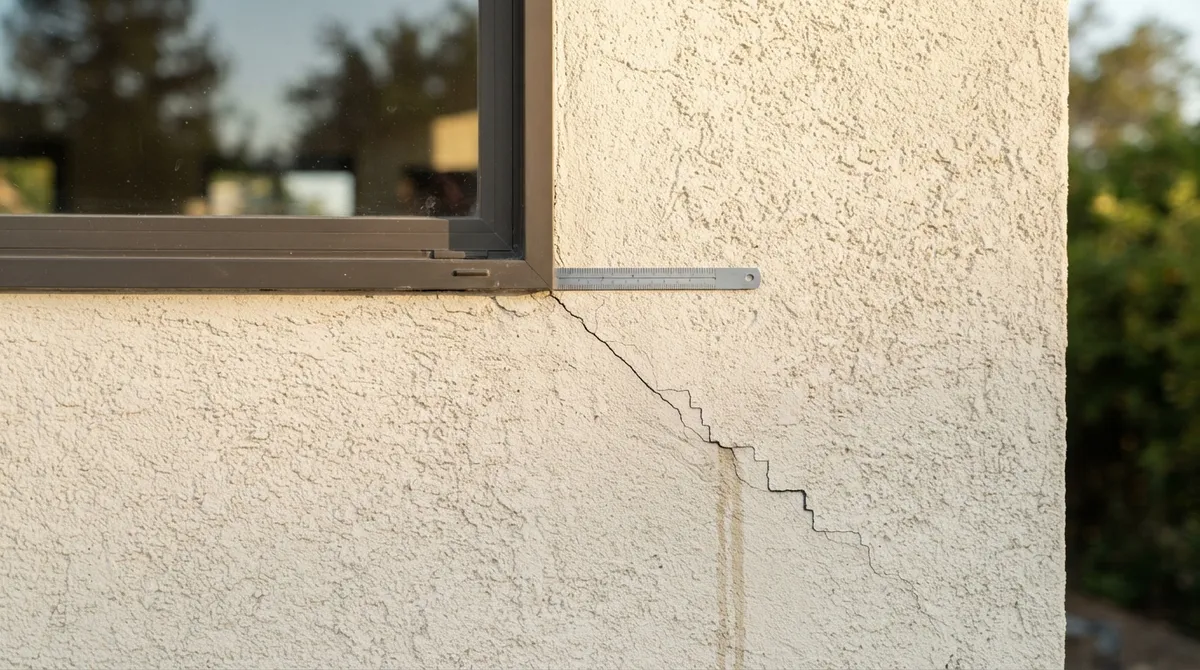
- Cracked or peeling exterior paint or stucco
- Gaps or worn sealant around windows and doors
- Soft spots in a deck or wood trim
- Doors or windows that suddenly stick or will not close
Think of it like going to the dentist. A quick checkup is easier, cheaper, and less stressful than a root canal later.
What Does a Remodeling Contractor Do Differently?
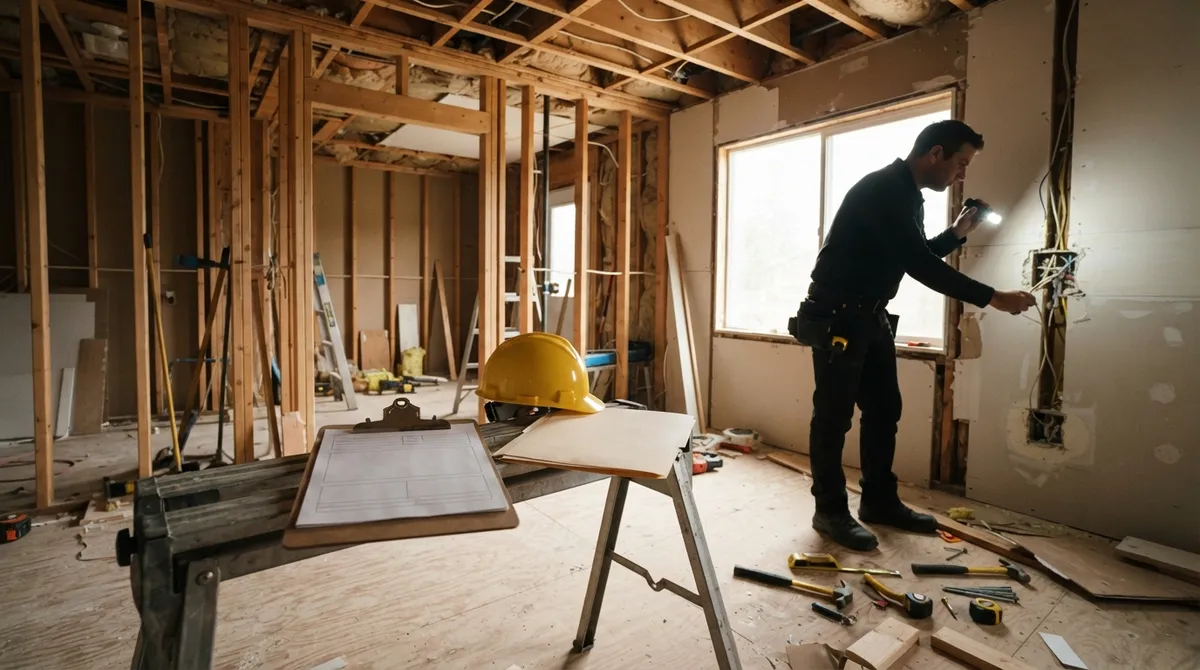
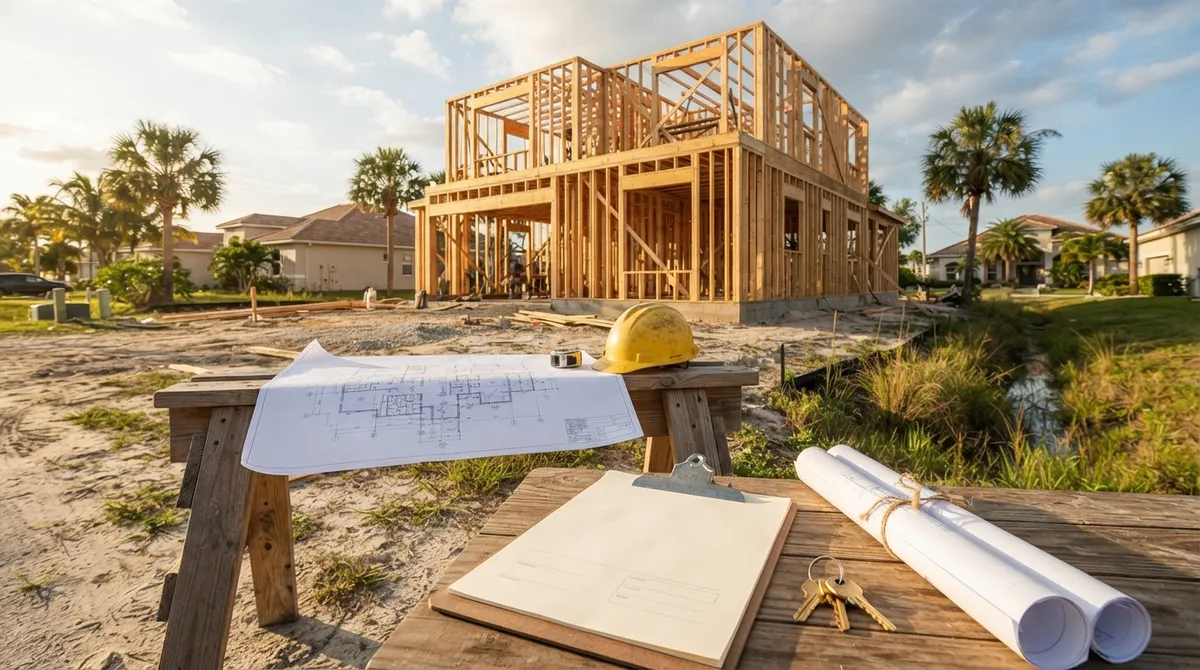
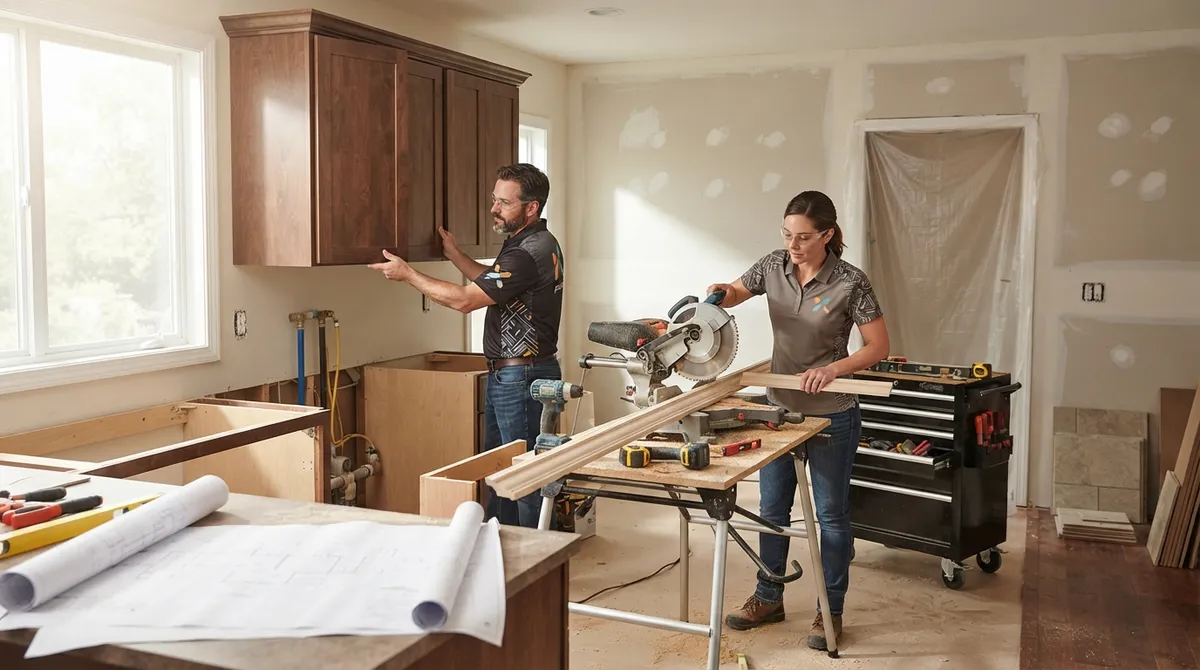
A licensed remodeling contractor takes on bigger jobs that change, rebuild, or expand parts of your home. That includes kitchens, bathrooms, additions, garage conversions, and structural repairs. These projects often need permits, coordinated trades, and a clear written scope.
At iCorry Construction, you work directly with Stephen Corry, the owner and license holder. He has more than 20 years of experience in construction and remodeling. Many of our clients start with a repair and end up finding that a small remodel makes the fix last longer. You can read more about our work on our home remodeling and renovations page.
Maintenance Contractor vs. Remodeling Contractor: Side-by-Side
Here is a simple way to compare the two. Keep in mind that some companies do both, so always ask what a provider is actually licensed and set up to do.
| Factor | Preventive Maintenance Contractor | Licensed Remodeling Contractor |
|---|---|---|
| Typical work | Inspections, small repairs, sealing, minor drywall and trim fixes | Kitchens, baths, additions, structural and storm repairs, whole-home updates |
| Best for | Catching small issues before they grow | Fixing deeper problems or upgrading how the home works |
| Permits | Often not needed for small jobs | Often needed for larger or regulated work |
| Planning needed | Light | Detailed scope, schedule, and written agreement |
| Long-term fix | Good for upkeep | Good for lasting solutions to repeat problems |
| License check | Verify it covers the work | Verify it covers the work |
When a Maintenance Contractor Is the Right Call
If your home is in good shape and you just want to keep it that way, a maintenance approach makes sense. Here are the times it fits best:
- Seasonal checkups. A walk-through before and after storm season helps you spot loose trim, worn sealant, and drainage trouble.
- Small, isolated repairs. A patch of drywall, a stuck door, or a worn section of a deck are good examples.
- Cosmetic touch-ups. Fresh paint, caulk, and minor trim work protect surfaces from moisture.
- Ongoing upkeep. Regular visits keep a record of your home’s condition over time.
Before storm season, our guide on what a pre-hurricane season home inspection should include is a handy checklist to keep nearby.
When You Need a Remodeling Contractor Instead
Some problems are bigger than a quick fix. If you see any of these, it is time to bring in a licensed remodeling contractor:
- Water damage that keeps returning after repairs
- Soft or damaged framing, sagging floors, or cracked foundations
- Storm or flood damage that affects walls, floors, windows, or structure
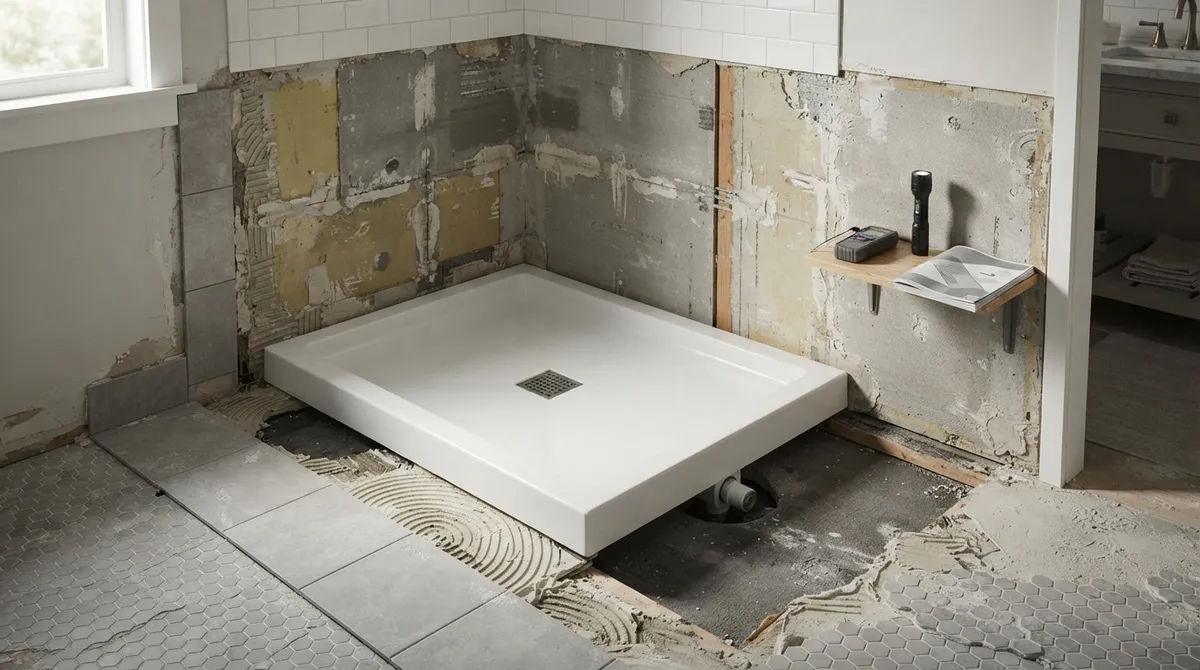
- A kitchen or bath with leaks, failing waterproofing, or worn layouts
- A need for more space, such as a room addition or garage conversion
- Unpermitted work or open code issues that need to be resolved
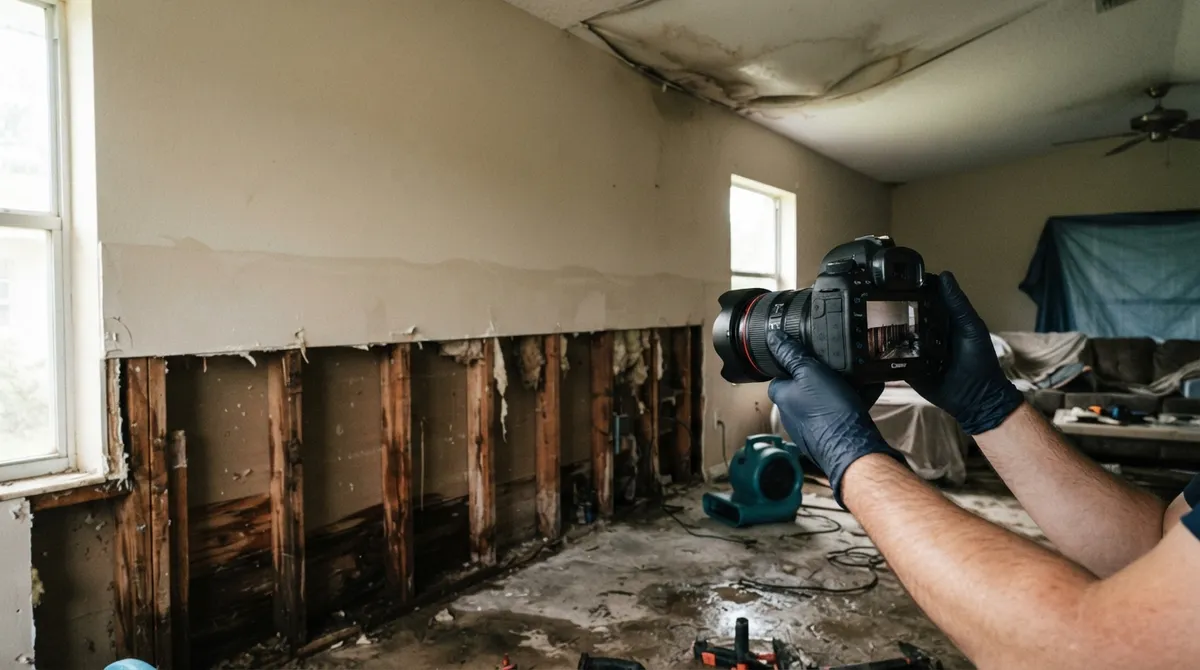
Covering a stain with paint will not solve a leak. If you notice dampness, staining, or musty smells, find the source first. Remediation may be needed before new finishes go in. Otherwise, you may pay twice for the same repair.
Storm and water concerns
After severe weather, check your home for visible damage and leaks. If you suspect hidden water damage or structural trouble, get a qualified assessment. Our storm, flood, and structural repairs service covers reconstruction work such as framing, drywall, flooring, windows, doors, waterproofing repairs, and stucco and exterior repairs. If you are not sure where to start, see emergency home repair in Apollo Beach: what to do first.
How Preventive Care Can Lead to Smarter Remodeling
Here is something many homeowners do not expect. Preventive care and remodeling often work together. A checkup might show that your old windows keep leaking, or that your guest bath has hidden moisture behind the tile. Fixing the cause, not just the symptom, often means a targeted remodel.
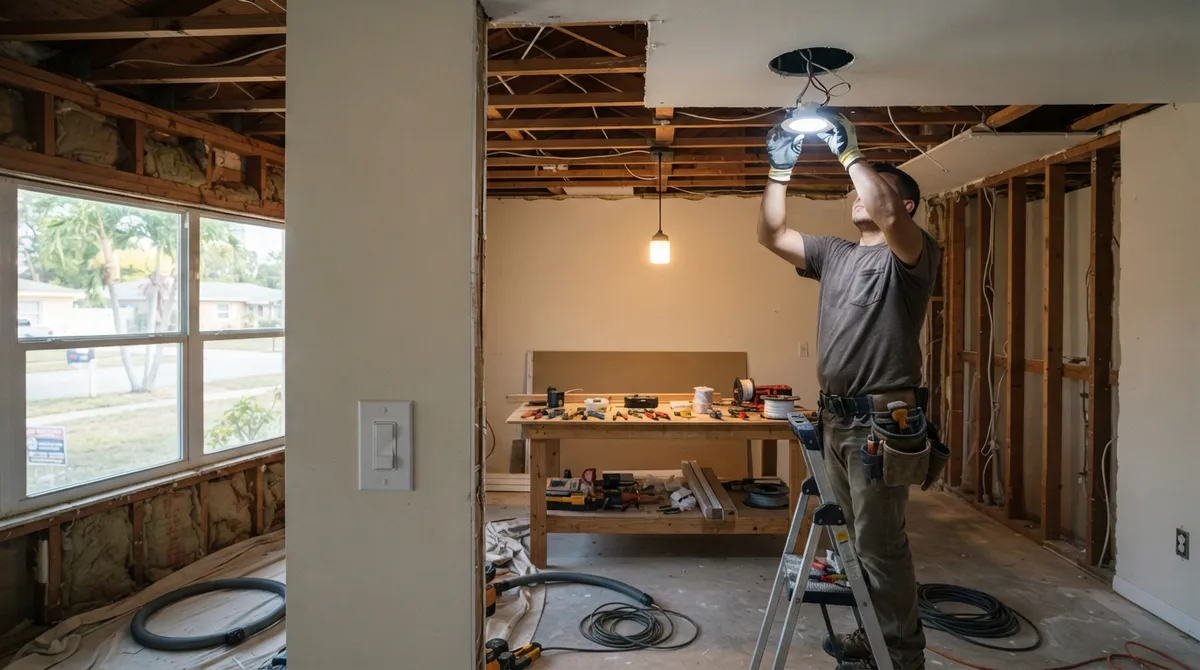
For example, replacing worn windows and doors, redoing a shower with proper waterproofing, or updating exterior stucco can reduce repeat problems. If you are thinking about a bigger update, our kitchen and bathroom remodeling page shows how we handle these projects. We coordinate plumbing and electrical work through qualified trades.
Need extra room? A growing family may be better served by an addition or conversion. Not every property qualifies for an ADU, since zoning, setbacks, utilities, and permitting must be reviewed first. Learn more about home additions, ADUs, and garage conversions, or read 5 things to know before hiring an ADU builder in Apollo Beach.
How to Verify a Contractor Before You Hire
This step is easy to skip, and it is one of the most important. Hiring an unlicensed contractor or handyman for work that needs a license can leave you with failed inspections, denied claims, or repairs that need to be redone. Here is a simple process to follow:
- Ask for the license number. The Florida Bar advises homeowners to confirm a contractor is licensed for the work and to get the license number before signing.
- Check it online. Florida’s Department of Business and Professional Regulation (DBPR) has an online portal. You can verify a contractor’s license through MyFloridaLicense.com.
- Confirm the license matches the job. A license for one type of work does not always cover another.
- Ask who does each part. Find out which tasks the company performs and which go to other trades.
- Request insurance documents and recent references. This is especially useful for bigger projects.
- Compare written bids. For larger remodels, get more than one so you can compare scope and terms side by side.
For a deeper walk-through, see how to hire a home remodeling contractor in Apollo Beach.
What Your Written Agreement Should Include
Whether the job is small or large, put it in writing. A clear agreement protects you and the contractor. Look for:
- A written scope of work describing what will be done
- Itemized pricing so you know where your money goes
- A schedule with a start window and expected finish
- Payment terms tied to progress
- Who is responsible for permits
- Warranty details for products and workmanship
If anything is unclear, ask before you sign. A good contractor will happily explain.
Permits and Code: Do Not Skip Them
Some smaller repairs may not need a permit, but larger renovations and work involving regulated trades often do. Skipping a permit might save a little time now, yet it can cause real trouble later when you sell, insure, or refinance. If you have unpermitted work or an open code issue, we can help. Learn about our permit and code resolution services. We cannot guarantee permit approval or case closure, but we can explain the process and what is typically needed.
Which One Is Right for You? A Quick Guide
| Your Situation | Best Fit |
|---|---|
| Home is in good shape, you want regular upkeep | Preventive maintenance contractor |
| Small cosmetic or trim repairs | Maintenance contractor |
| Recurring leaks or persistent moisture | Remodeling contractor, after finding the source |
| Storm, flood, or structural damage | Licensed remodeling contractor |
| Kitchen or bath update | Licensed remodeling contractor |
| Need more space | Licensed remodeling contractor |
| Unfinished or unpermitted work | Licensed contractor with code experience |
Still weighing your options? Our list of the best home remodeling contractor near Apollo Beach, FL can help you compare what to look for. If your repair involves insurance, you may also like how to choose an insurance claim repair contractor in Apollo Beach. Coverage decisions stay between you and your insurer, but we can document visible damage and prepare a repair quote.
Local Tips for Apollo Beach Homeowners
Living near the water means a little extra care goes a long way. Here are a few habits worth building:
- Walk the outside of your home each season and look for cracks, peeling paint, and loose trim.
- Check windows, doors, and exterior sealants for gaps.
- Clear gutters and make sure water drains away from the foundation.
- Look under sinks and around tubs for slow leaks.
- After every big storm, check ceilings, walls, and floors for new stains.
- Keep photos and dates of what you find, since records help later.
You can see how neighbors feel about working with us on Google. Visit us on Google — iCorry Construction to read reviews from Apollo Beach area homeowners. You can also follow iCorry Construction on Facebook for project updates.
Final Thoughts
A preventive home maintenance contractor in Apollo Beach is a great fit for upkeep, checkups, and small repairs. A licensed remodeling contractor is the better choice when problems run deeper, when permits are involved, or when you want a lasting upgrade. Many homeowners need both at different times, and that is perfectly normal.
The most important step is to verify the license, get everything in writing, and fix the cause of a problem instead of hiding it. When you are ready to talk it through with someone who will answer the phone and walk your home with you, contact us to request a free quote, or call us at (727) 637-7785. Stephen and the iCorry Construction team (Florida License CRC1334854) are happy to help.
FAQs
Q: What preventive home maintenance should Apollo Beach homeowners schedule each year?
A: A good yearly plan includes checking windows, doors, exterior sealants, drainage, decks, and any spots where water can get in. Do a walk-through before and after storm season, and look for stains, musty smells, or soft spots. If you find anything suspicious, a qualified contractor can take a closer look.
Q: How can I verify a Florida home remodeling contractor’s license?
A: Ask for the contractor’s license number, then search it on the Florida DBPR license portal at MyFloridaLicense.com. Make sure the license covers the type of work you want done. It only takes a few minutes and can save you a lot of trouble.
Q: When should I hire a maintenance contractor versus a remodeling contractor?
A: Choose a maintenance contractor for routine checkups and small repairs. Choose a licensed remodeling contractor for storm damage, structural issues, recurring water problems, kitchen or bath projects, additions, and work that needs permits. When in doubt, ask who will do each part of the job and what license covers it.
Q: What should I do if I find a leak or water damage after a storm?
A: Take photos, note the date, and protect your belongings if you can do so safely. Then schedule a qualified assessment, especially if you suspect hidden or structural damage. Avoid just painting over stains, since the cause needs to be found and repaired first.
Q: What should a written home repair or remodeling contract include?
A: It should list the scope of work, itemized pricing, schedule, payment terms, permit responsibilities, and warranty details. Having these in writing helps everyone stay on the same page. If something is unclear, ask for it to be added before you sign.
Our Service Area