Key Takeaways
-
Stucco cracks are a symptom, not just a cosmetic flaw: the fix should match the cause, and painting over an active leak or ongoing movement usually brings the crack back.
-
A surface patch suits fine, stable, dry hairline cracks with solid stucco on both sides and no stains, damp spots, or hollow sounds when tapped.
-
Call a professional for growing or recurring cracks, diagonal or stair-step cracks at window or door corners, hollow-sounding stucco, brown staining, or interior dampness or musty smells.
-
Know whether your home has traditional cement stucco or EIFS before hiring, since each system needs compatible repair materials and proper drainage detailing.
-
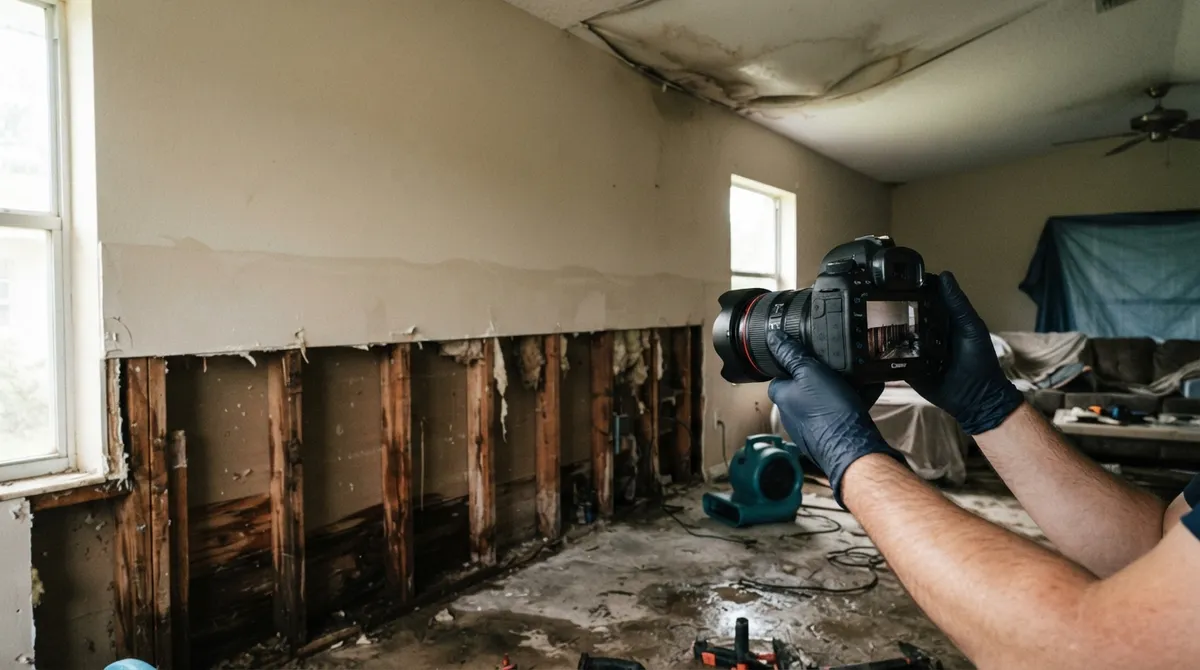
Take dated photos and measure crack width over time; a crack that grows within a few months warrants a professional inspection.
-
Ask contractors about hidden moisture checks, a written scope, Florida licensing, and whether permits are needed in Hillsborough County before agreeing to work.
You spot a thin line running across your stucco wall. Maybe it starts at a window corner. Maybe it has been there since last summer. Now you are asking the big question: is this a quick patch, or something bigger?
You are not alone. Heat, humidity, and heavy summer rain make stucco crack repair in Riverview, FL a common topic for local homeowners. The tricky part is that a crack on the surface does not always tell the full story. Sometimes it is just the wall settling in. Other times, water is getting in and quietly causing damage behind the finish.
In this guide, we compare two paths: a simple surface patch and a deeper repair that removes and rebuilds the wall. You will learn how to tell the difference, what each option involves, and what questions to ask before you hire anyone. Think of this as a friendly chat over the fence with someone who has seen a lot of stucco walls.
Why Stucco Cracks in Riverview
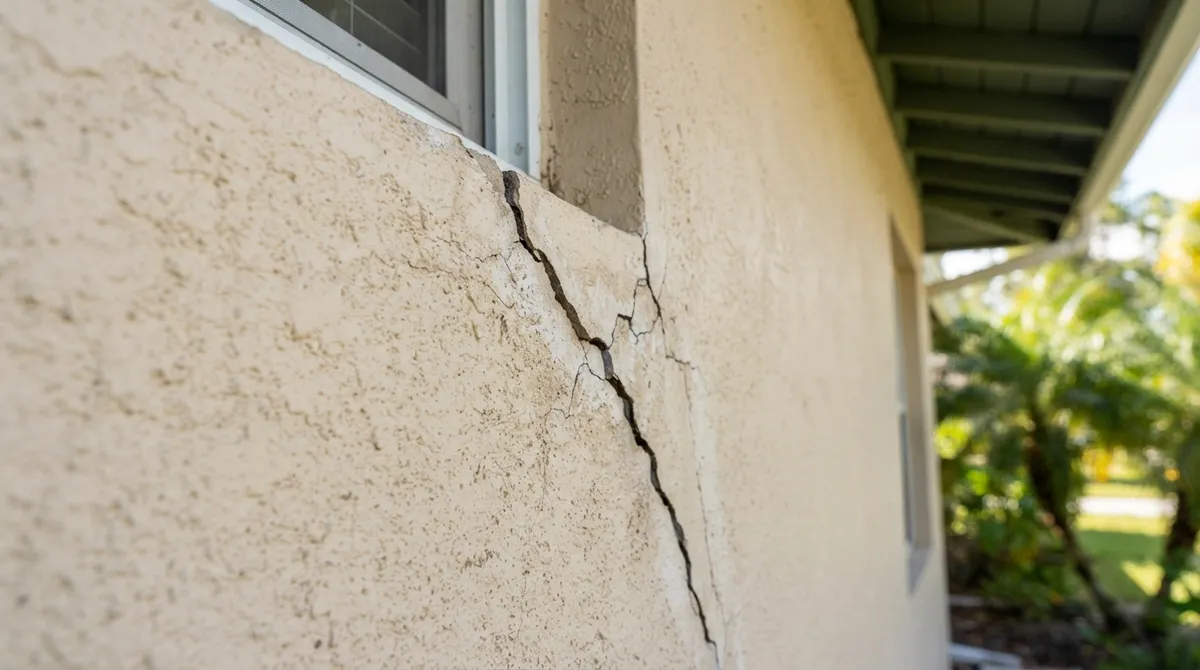
Stucco is a tough, long-lasting wall finish. Still, almost every stucco home gets a few cracks over time. Knowing why they happen helps you decide how to fix them.
Here are the most common causes we see in the Riverview area:
- Curing shrinkage: Stucco shrinks a little as it dries. This can leave fine lines early in the life of a wall.
- Temperature movement: Hot days and cooler nights make materials expand and contract.
- Settlement: A home can shift slightly over the years, and the wall shows it.
- Impact: A ladder, a ball, or a lawn tool can chip or crack the surface.
- Moisture intrusion: Failed sealant or flashing lets wind-driven rain get behind the finish.
- Installation problems: Missing control joints or poor prep can lead to cracks later.
The key point is simple. A crack is a symptom. The fix should match the cause, not just hide the line.
Option One: The Surface Patch
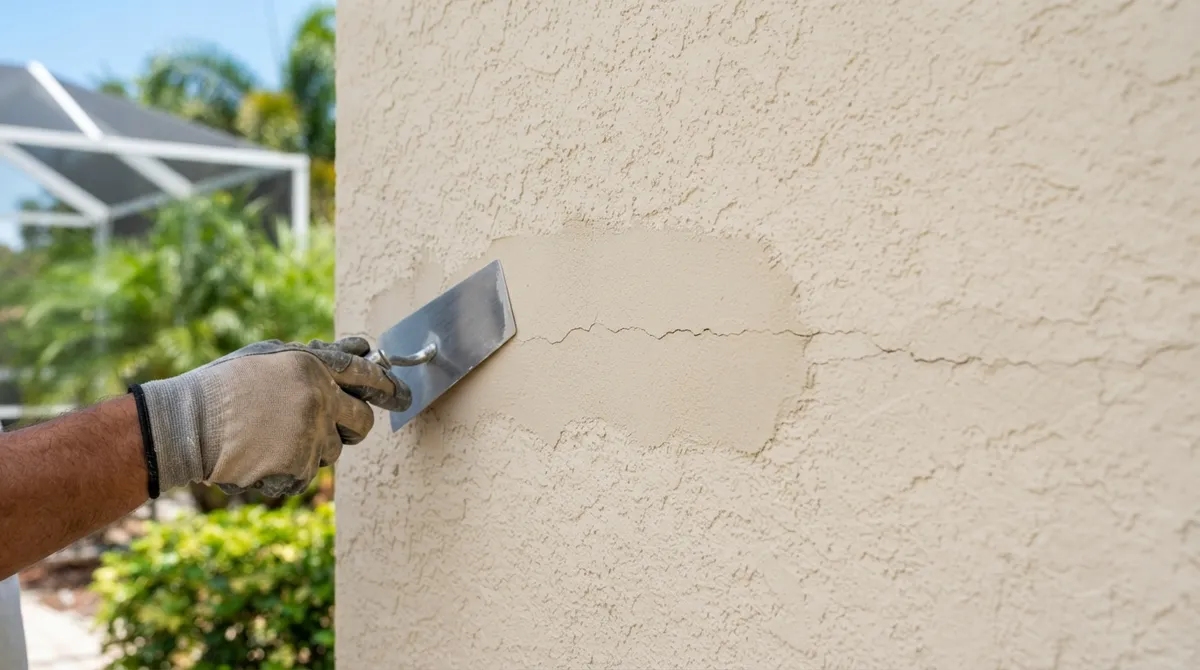
A surface patch is the lighter repair. It works best on fine, stable cracks that are not letting in water. Think of it like fixing a small scratch on a car door.
When a Patch Makes Sense
A patch is usually a good fit when the crack:
- Is hairline thin and has not grown over time
- Does not sit at a window or door corner
- Has solid stucco on both sides, with no hollow sound when tapped
- Shows no stains, bubbling paint, or damp spots inside the home
What a Patch Involves
- Clean the area and remove any loose bits.
- Widen the crack slightly so new material can bond well.
- Fill it with a repair product made to work with your stucco type.
- Match the texture so the repair blends in.
- Paint or coat the area to match the rest of the wall.
A published Central Florida contractor source lists minor crack repair at roughly $8 to $15 per square foot, with a small job running about $300 to $600. Treat those numbers as rough guidance only. They are not a Riverview quote, and real costs depend on access, texture matching, and wall type.
Option Two: The Deeper Rebuild
Sometimes the crack is just the tip of the iceberg. A rebuild means removing the damaged stucco and checking what lies beneath it. Then the wall is restored layer by layer.
When a Rebuild Is the Better Call
Consider a deeper repair when you notice:
- Cracks that keep growing or keep coming back after patching
- Stucco that sounds hollow or feels loose
- Brown or dark staining below a crack
- Soft spots, bubbling, or peeling paint
- Dampness or a musty smell inside, near the cracked wall
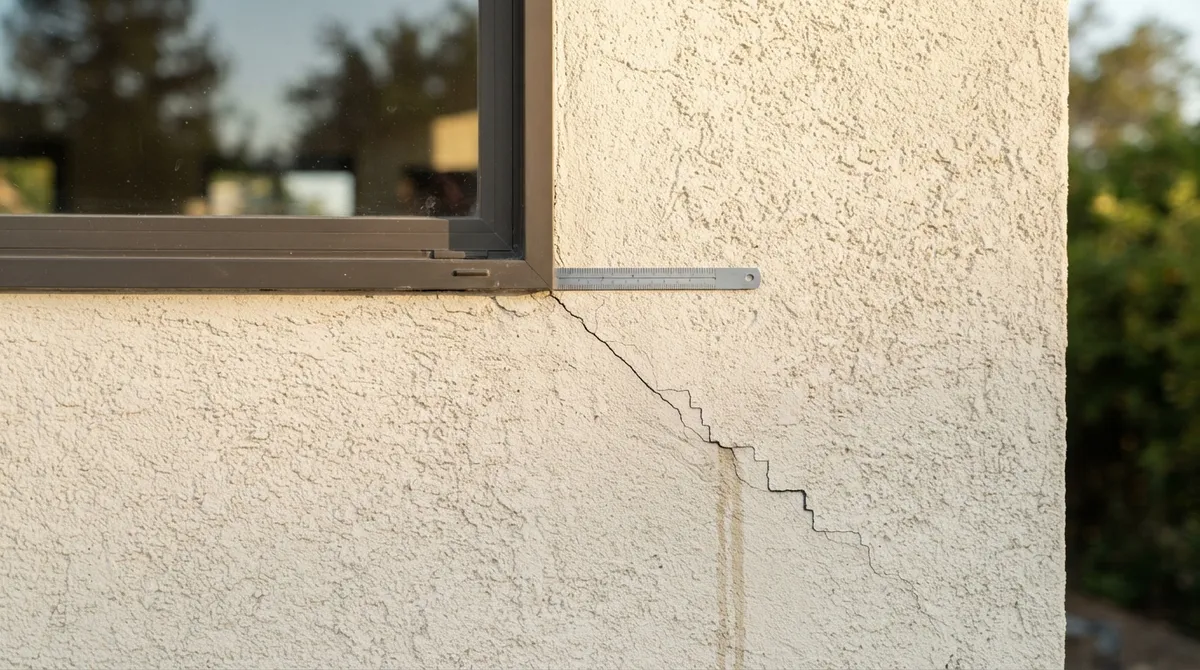
- Diagonal cracks at window or door corners
- Stair-step cracks that follow the lines of block or joints
Those last two patterns deserve extra attention. They can point to movement or water-related damage rather than simple shrinkage.
What a Rebuild Involves
- Inspect the wall to find the cause and the full size of the damage.
- Remove loose or damaged stucco back to sound material.
- Check lath, sheathing, flashing, and framing for moisture damage.
- Repair or replace any damaged parts underneath.
- Rebuild the stucco layers using compatible products.
- Match the texture and color, then finish and seal.
The same Central Florida source lists repairs with water damage and underlying material replacement at about $40 to $50 per square foot. Another South Florida contractor describes localized repairs as ranging from a few hundred to several thousand dollars. Again, these are broad contractor estimates, not official price surveys. The only way to know your number is an on-site look and a written estimate.
Patch vs. Rebuild: Side-by-Side
| Factor | Surface Patch | Deeper Rebuild |
|---|---|---|
| Best for | Fine, stable, dry cracks | Growing, recurring, or wet cracks |
| Hidden damage check | Basic visual check | Full check of lath, sheathing, flashing |
| Scope | Small, spot repair | Larger section opened and rebuilt |
| Rough cost guide (Central Florida) | About $8 to $15 per sq. ft. | About $40 to $50 per sq. ft. |
| Risk if wrong choice | Crack returns or water keeps getting in | Higher cost than needed if damage was minor |
Notice the risk row. Patching a wall that has a leak behind it can trap moisture and make things worse. On the flip side, rebuilding a wall that only needed a small fix costs more than necessary. That is why the inspection step matters so much.
Cosmetic or Serious? A Quick Homeowner Check
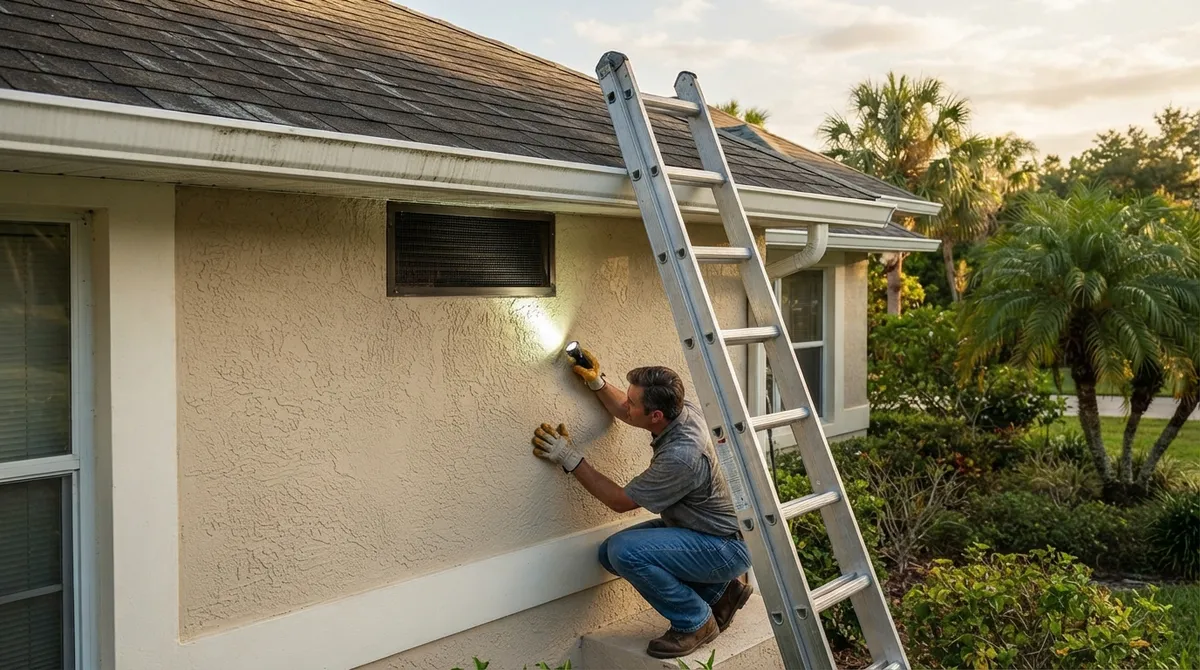
Before you call anyone, you can do a simple walk-around. Grab your phone and take photos so you can track changes over time.
- Measure the width. Hairline cracks are often cosmetic. Wider ones deserve a closer look.
- Note the pattern. Straight, thin lines are usually less worrying than diagonal or stair-step cracks.
- Tap gently. Use your knuckles. A hollow sound can mean the stucco has pulled away from the wall.
- Look for stains. Rust-colored or dark streaks can signal moisture.
- Check inside. Look at the matching interior wall for damp spots, bubbling paint, or a musty smell.
- Watch over time. Take a dated photo. If the crack grows in a few months, call a pro.
If any of these raise a flag, it is smart to get a professional opinion. This is also a good item to include in your regular home checkups. Our guide on home maintenance inspection tips for Riverview, FL walks through other spots worth watching around your home.
Traditional Stucco vs. EIFS: Why It Matters
Not every “stucco” wall is built the same way. This surprises many homeowners, and it changes how the repair should be done.
- Traditional cement stucco: A hard, cement-based coating applied over lath or block. Repairs use cement-based materials.
- EIFS (synthetic stucco): A system with insulation board, mesh, a base coat, and a finish. Repairs need compatible mesh, base coat, and finish, plus careful attention to drainage details.
Using the wrong materials on the wrong system can lead to poor bonding and repeat cracks. When you talk to a contractor, ask them to tell you which type your home has. If they cannot say, that is a good moment to pause.
Why Painting Over a Crack Is Not a Repair
It is tempting to grab a bucket of paint or a tube of caulk and call it done. For a hairline cosmetic crack, a proper patch and fresh coating can be fine. But painting over an uncorrected leak or ongoing movement usually brings the crack back.
Florida weather is tough on exterior walls. Summer storms push rain sideways, and humidity lingers. If water finds a path behind the stucco, it can damage lath, sheathing, and framing out of sight. By the time you see staining, the problem may be larger than the crack.
Our rule of thumb is simple: fix the cause first, then fix the finish.
Can You DIY a Stucco Crack Repair?
Many homeowners are handy, and we love that. For a tiny, stable hairline crack, a careful DIY touch-up can work. Just know the limits.
DIY tends to go well when:
- The crack is very fine and dry
- The wall is easy and safe to reach from the ground
- You are comfortable matching texture and paint
Call a professional when:
- You see signs of moisture, hollow spots, or staining
- The crack is near a window, door, or roofline
- The damage is high up or covers a large area
- You are not sure whether the wall is traditional stucco or EIFS
Texture matching is harder than it looks. A patch that stands out like a bandage can bother you more than the original crack.
How Pros Check for Hidden Water Damage
A good contractor does not just look at the crack. They look at the whole wall system. A thorough assessment generally covers:
- Crack width, length, and pattern
- The stucco around it, checking for loose or delaminated areas
- Window, door, and wall penetrations for failed sealant or flashing
- Signs of moisture or damage to the layers underneath
If damage is found, the plan should include repairing lath, sheathing, flashing, or other parts before the new stucco goes on. This is where an experienced builder earns their keep, because the repair often crosses into framing, waterproofing, and exterior work.
That is also where our work at iCorry Construction (Florida License CRC1334854) comes in. We handle storm, flood, and structural repairs, including stucco and exterior repairs, and we look at the whole wall, not just the surface crack.
Questions to Ask Before You Hire
Whether you choose a patch or a rebuild, a few smart questions can save you a lot of stress. Ask each contractor:
- Is my home traditional stucco or EIFS?
- What do you think caused this crack?
- How will you check for hidden moisture?
- What is included in your written scope and estimate?
- Are you licensed in Florida, and can I see your license number?
- Does this scope need a permit in Hillsborough County?
That last question matters more than people expect. Hiring an unlicensed handyman may look cheaper at first. But unpermitted or poorly done work can cause headaches later, from failed inspections to trouble when you sell. If you ever inherit a messy situation, we also help with permit and code resolution. For a deeper look at choosing the right pro, see our tips on how to hire a home remodeling contractor. To confirm a contractor’s license status, you can use the Florida Department of Business and Professional Regulation license search.
Stucco Repair After Storm Damage
Riverview homes face summer storms and the occasional hurricane threat. Wind-driven rain and flying debris can crack or chip stucco quickly. If your cracks appeared after a storm, take photos right away and note the date.
For insurance-related repairs, we can document visible damage, prepare a repair quote, and talk through the construction scope with you or your insurer. Coverage decisions stay between you and your insurance company. If you are weighing options, our guide on choosing an insurance claim repair contractor is a helpful read. It also pairs nicely with our checklist for a pre-hurricane season home inspection.
So Which Path Is Right for Your Wall?
Here is the short version. If your crack is fine, stable, dry, and away from corners, a surface patch is often enough. If it is growing, recurring, near a window or door, or paired with stains or damp spots, a deeper repair is the safer path.
The best stucco crack repair in Riverview, FL starts with an honest look at what is behind the wall. Every home is different, so we do not quote prices or timelines before seeing the property. What we can promise is a clear explanation. If we open a wall and find hidden damage, Stephen explains what he found, the proposed repair, and how it affects cost or timing before more work moves forward.
Ready to Get Your Stucco Checked?
At iCorry Construction, you work directly with Stephen Corry, the owner and license holder, who has more than 20 years of construction experience. You get clear communication, coordinated trades, and a plan that fits your home. Curious what neighbors say? Visit us on Google and read iCorry Construction reviews, or follow iCorry Construction on Facebook for project updates. You can also explore our full range of home remodeling and renovation services.
Ready to take the next step? Contact us to request a free quote, or call (727) 637-7785. We respond to quote requests within 24 hours, and we are happy to help you figure out whether your wall needs a patch or a rebuild.
FAQs
Q: How much does stucco crack repair cost in Riverview, FL?
A: It depends on the crack, the wall type, and any hidden damage. One Central Florida contractor source lists about $8 to $15 per square foot for minor cracks and $40 to $50 per square foot when water damage is involved. Those are rough regional numbers, so the best step is an on-site look and a written local estimate.
Q: How can I tell if a stucco crack is cosmetic or structural?
A: Fine, stable, dry cracks are often cosmetic. Cracks that keep growing, return after repair, sit at window or door corners, form stair-step patterns, or come with stains, hollow sounds, or interior dampness deserve a professional inspection.
Q: Can I fix a stucco crack myself?
A: A tiny, stable hairline crack can sometimes be touched up by a careful DIYer. If you see moisture signs, hollow spots, or a wide crack, or you cannot tell if your wall is traditional stucco or EIFS, it is wise to call a licensed contractor.
Q: Do I need a permit for stucco repair in Hillsborough County?
A: It depends on the scope of the work. Small cosmetic patches may be treated differently from larger repairs that involve structural parts or sheathing. Ask your contractor to confirm permit needs with Hillsborough County or the local authority for your specific project.
Q: What is the difference between traditional stucco and EIFS?
A: Traditional stucco is a cement-based coating over lath or block. EIFS is a layered system with insulation board, mesh, a base coat, and a finish. Because the layers differ, each needs compatible repair materials and careful attention to drainage details.
Our Service Area