Key Takeaways
-
Stop any permit-required work immediately, since continuing can lead to citations of up to $500 per violation and higher costs in Hillsborough County.
-
Confirm whether your address falls under Hillsborough County or another building department before applying for anything, because that determines who has authority.
-
An after-the-fact permit does not automatically approve existing work; expect possible plan reviews, inspections, opened walls, or corrections.
-
Gather photos, contracts, invoices, plans, prior permit records, and names of the people who did the work before contacting the permitting office.
-
Fix known problems before inspections, since a failed inspection may carry a $125 re-inspection fee in Hillsborough County.
-
Resolve open permits and unpermitted work before selling or refinancing, as buyers, lenders, and insurers may raise questions about permit history.
Finding out that a past remodel was done without a permit can feel like a punch to the stomach. Maybe a prior owner finished the garage. Maybe a handyman swapped a water heater and moved a few pipes. Maybe you just learned that your own bathroom update needed paperwork you never filed. First, take a deep breath. You are far from alone, and this problem is fixable.
The hard part is not the problem itself. It is the missteps people make while trying to solve it. A rushed fix can cost more money, trigger fees, or lead to walls being opened twice. This guide walks through the 14 most common mistakes we see when homeowners try an unpermitted work fix in Riverview, FL, and what to do instead.
We are iCorry Construction (Florida License CRC1334854), a licensed residential contractor based in Apollo Beach. Our owner, Stephen Corry, has more than 20 years of construction experience, and he works directly with homeowners on permit and code problems every day. Let’s get you pointed in the right direction.
First, What Counts as Unpermitted Work?
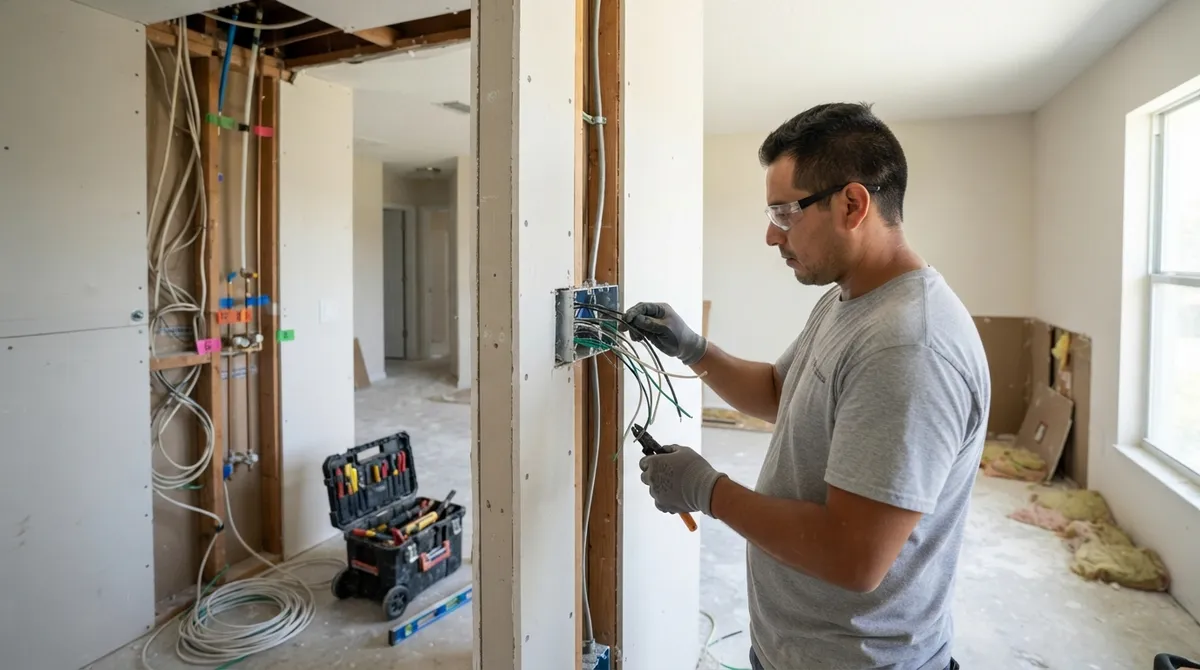
Unpermitted work is any construction, alteration, repair, or demolition that needed a permit but never got one. Florida Statutes §553.79 generally requires a permit before covered building work begins. Local agencies can also add extra fees when work starts before a permit is issued.
Hillsborough County says most construction needs approval and permits. Whether your project needed one depends on the scope. Plumbing-related bathroom work is likely to need a permit. Tile and cabinet work alone may not. Always confirm your specific scope with the County.
Common examples in Riverview homes
- Garage conversions into bedrooms or offices
- Room additions or enclosed patios
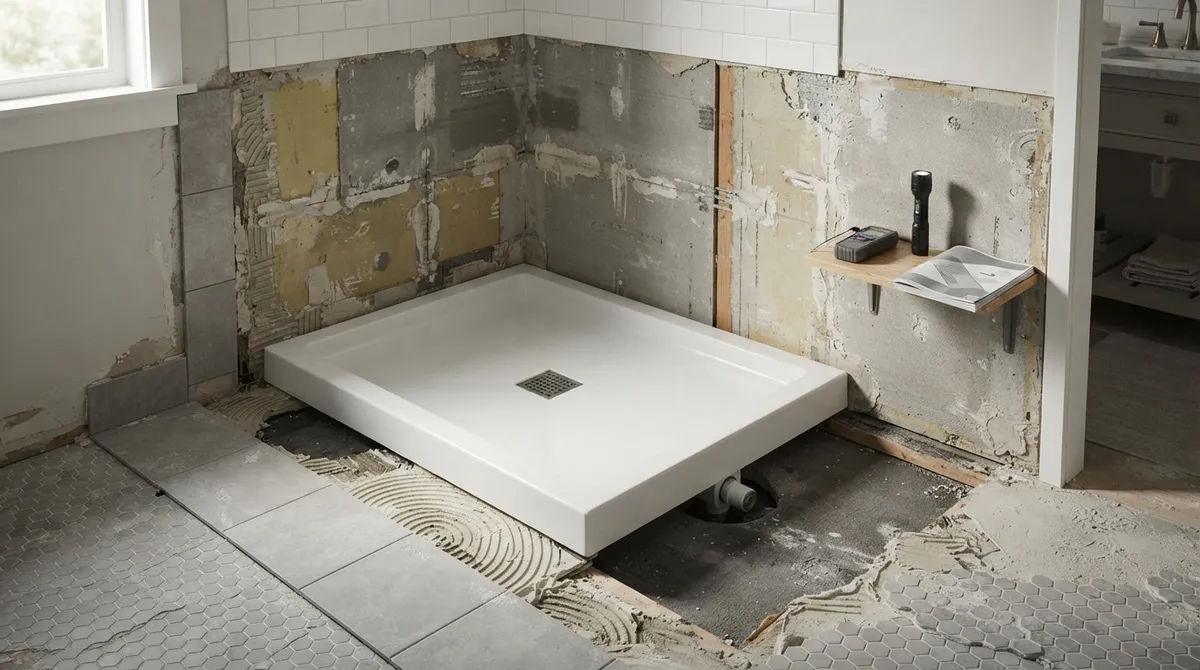
- Bathroom remodels that moved plumbing
- Walls removed or openings widened
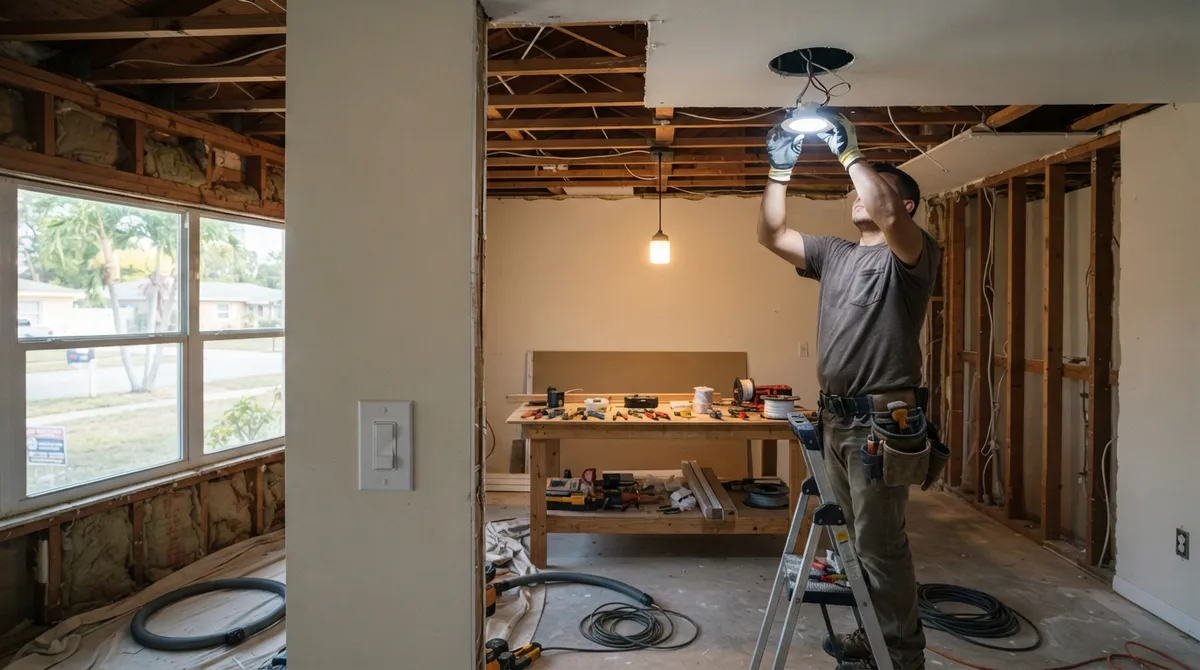
- Electrical panel or wiring changes
- Window and door replacements done without paperwork
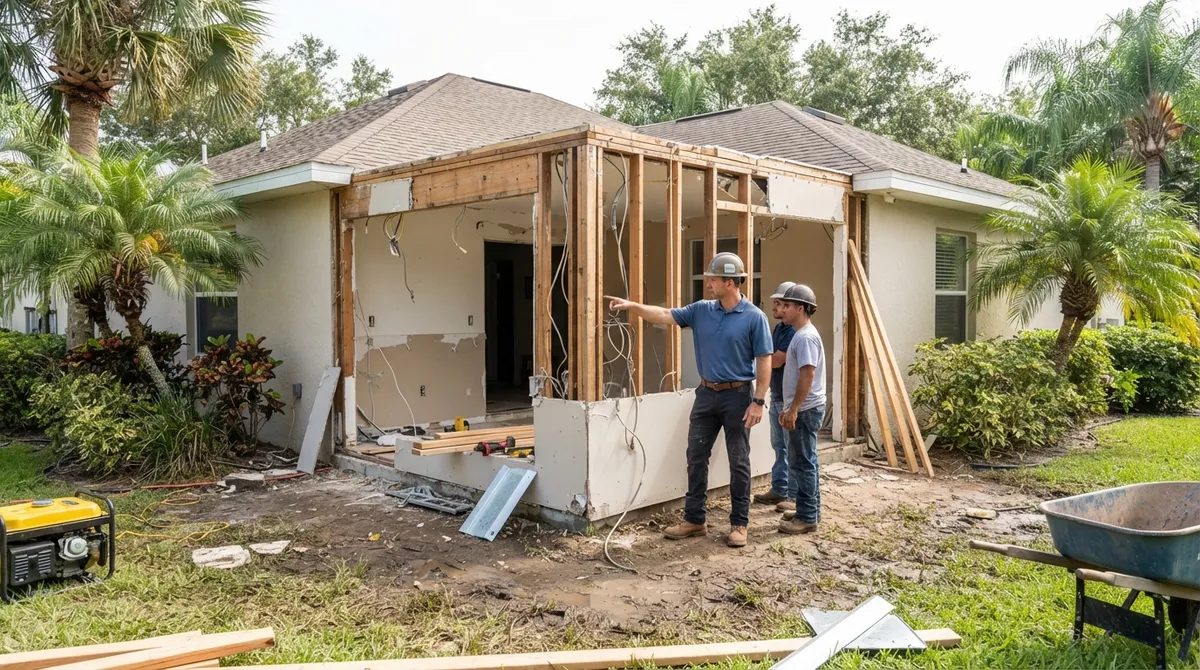
The 14 Mistakes That Make It Worse
1. Continuing the work while you sort things out
If permit-required work is still underway, stop right away. Hillsborough County tells owners to stop work immediately and contact permitting@hcfl.gov about an after-the-fact permit. Continuing can raise costs and may lead to a citation of up to $500 per violation, according to County homeowner guidance.
2. Assuming Riverview means Hillsborough County
Much of Riverview sits in unincorporated Hillsborough County, but not every address does. Your exact location decides which building department has authority. Verify your address with the relevant department before you apply for anything.
3. Guessing which parts needed a permit
Some homeowners assume the whole project is a problem. Others assume none of it is. Both guesses can hurt you. Sort the work into permit-required items and items that likely were not, then confirm with the County. A licensed contractor can help you map this out. Our permit and code resolution service exists for exactly this situation.
4. Believing a retroactive permit means automatic approval
An after-the-fact permit does not approve the existing work on its own. The building department may require permit applications and plans, inspections, access to concealed work, corrections, or even removal and reconstruction if compliance cannot be verified. Think of it as starting a review, not buying a stamp.
5. Hiding the problem and hoping it goes away
Waiting rarely helps. Open permits and unresolved violations can surface during a sale, a refinance, an insurance claim, or a neighbor complaint. Dealing with it on your own timeline is almost always calmer than dealing with it on someone else’s.
6. Skipping the paper trail
Before you contact anyone, gather what you have:
- Photos from before, during, and after the work
- Contracts, invoices, and receipts
- Any plans, sketches, or product specs
- Prior permit records for the property
- Names of the people who did the work
This file can save you real time when an inspector asks questions.
7. Hiring an unlicensed handyman to “just fix it”
This one stings because it often caused the problem in the first place. Regulated trades need properly licensed professionals. Confirm credentials and who is responsible for permits before you sign anything. A contractor’s involvement, or a later permit, does not automatically remove your responsibility as the owner. If you are weighing your options, our guide on maintenance versus remodeling contractors explains who fits which job.
8. Refusing to open walls or ceilings
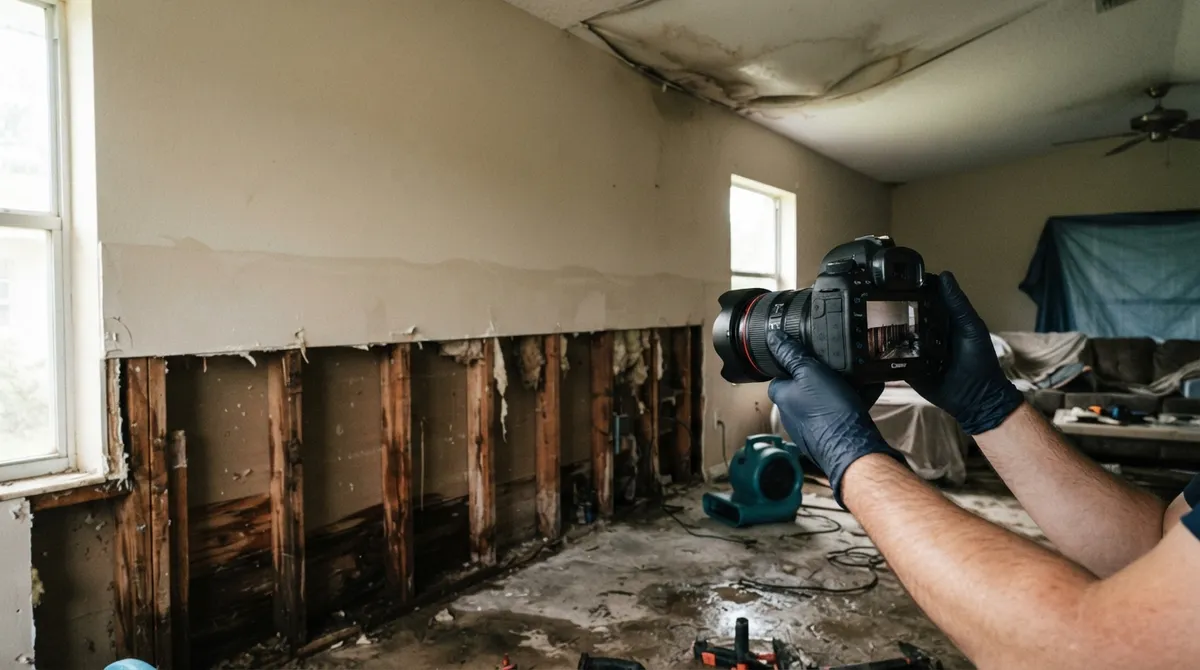
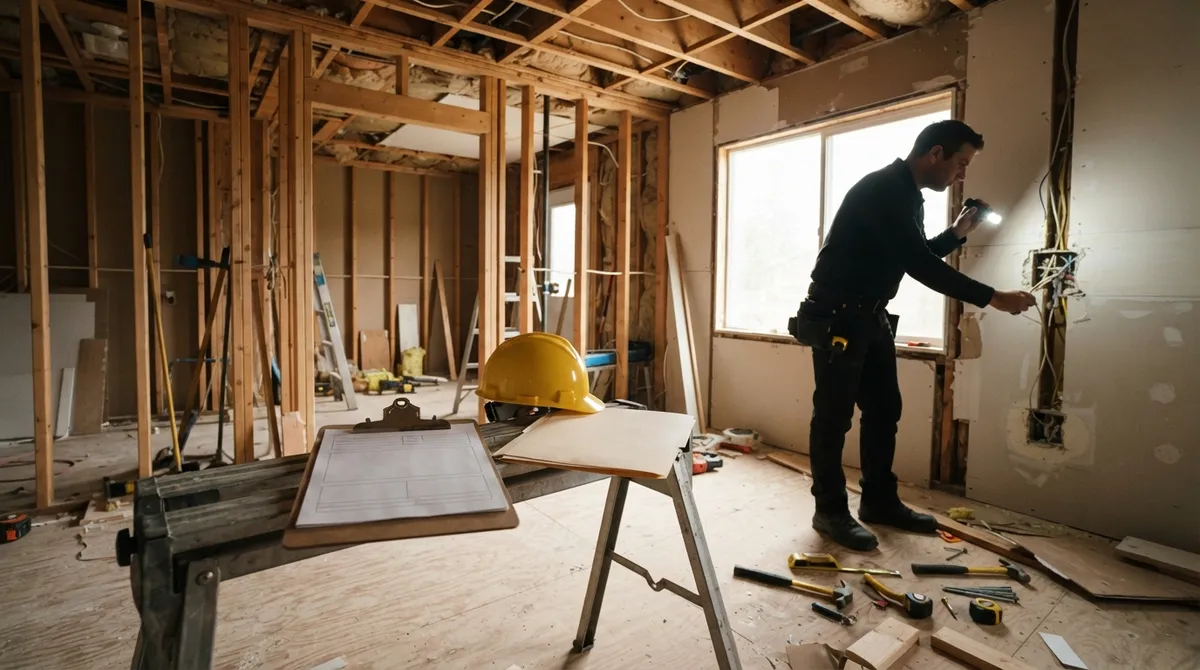
Inspectors cannot approve what they cannot see. If framing, wiring, plumbing, or insulation is hidden, you may be asked to expose it. It feels dramatic, but it is often the fastest honest path to approval. Planning for it up front keeps drywall repair in your budget instead of surprising you later.
9. Forgetting about inspection fees
Failed inspections can add up. Hillsborough County guidance notes that a failed inspection may carry a $125 re-inspection fee. Fixing known problems before the inspector arrives is cheaper than paying to try again.
10. Ignoring a code enforcement notice
If you received a notice, read it carefully and respond by the deadline. Code enforcement cases move forward whether or not you reply. You can learn more about how this works through Hillsborough County Code Enforcement. Keep written records of every instruction you receive.
11. Pulling a permit for the wrong scope
A permit that describes less work than what was actually built can cause trouble later. Be honest and complete when you describe the project. The goal is a permit record that matches your home as it really stands.
12. Doing the corrections yourself without checking requirements
Weekend repairs can be tempting, especially for small items. But structural, electrical, and plumbing corrections often need licensed trades and inspections. A well-meant fix that does not meet code can mean doing the job twice.
13. Selling or refinancing before you resolve it
Open permits and unpermitted additions can slow a closing or raise questions from buyers, lenders, and insurers. If you are planning a sale, start the cleanup early. Our team can help you understand what to expect, though we cannot guarantee any outcome with a buyer, lender, or insurer.
14. Going it alone when the scope is complicated
Some problems are small. Others involve structure, flood damage, or a half-finished project from a contractor who disappeared. When the scope is unclear, bring in a licensed professional early. That is a smart move, not an admission of defeat.
A Simple Step-by-Step Path to Fix Unpermitted Work
Here is the practical sequence we recommend. Details vary by address and scope, so confirm each step with the responsible authority.
- Stop affected work. Pause anything that may need a permit.
- Confirm jurisdiction. Verify whether your address falls under Hillsborough County or another building department.
- Define the scope. List what was built, changed, or repaired.
- Gather records. Collect photos, contracts, plans, and prior permit history.
- Contact the permitting office. Ask about an after-the-fact permit and what documents they require.
- Apply for the permit. Submit plans or drawings if requested.
- Schedule inspections. Be ready to expose concealed work if directed.
- Complete corrections. Use appropriately licensed trades for regulated work.
- Get final approval. Keep every document, inspection result, and approval for your records.
Quick Reference: Common Situations and Likely Next Steps
| Situation | Likely Next Step | What to Watch For |
|---|---|---|
| Work still in progress, no permit | Stop work and contact the permitting office | Possible citation if work continues |
| Finished garage conversion | Apply for an after-the-fact permit with plans | Inspectors may require opened walls |
| Bathroom with moved plumbing | Confirm permit scope and schedule inspections | Corrections by licensed trades |
| Open permit from a past owner | Check records and work with the department to close it | Final inspection may still be needed |
| Unfinished project left by a contractor | Document the current state and define remaining work | Hidden defects and needed corrections |
How to Check Your Property for Open Permits or Code Cases
Before you spend a dollar, find out what is already on record. Contact the building department that covers your address and ask about permit history and any open cases. The County’s homeowner permit guidance is a good place to start. If you just bought the home, ask for a review of past permits too. It helps you separate your responsibility from what the prior owner left behind.
Why Licensing and Permits Matter So Much
It can be tempting to hire the cheapest person who says “no permit needed.” That shortcut is how many Riverview homeowners end up reading articles like this one. Licensed contractors pull permits, schedule inspections, and stand behind their work. That protects your safety, your insurance position, and your resale value.
Permits and inspections also catch hidden problems. A second set of professional eyes on framing, wiring, and waterproofing is a gift, even when it feels like a hassle. If you are planning a larger project, you may also like our tips in 10 Things to Know Before Hiring a Custom Home Builder in Riverview, FL, and our guide to planning a bathroom remodel in Riverview.
How iCorry Construction Can Help
When you work with us, you work directly with Stephen Corry, the owner and license holder. He started in construction at 14 and has spent more than 20 years in remodeling, construction, and project management. Many of our clients come to us because of unpermitted work, code violations, or a project another contractor left unfinished.
We help you understand what permits, plans, or engineering may be required, coordinate the licensed trades, and keep you informed at each step. If we find hidden damage or earlier work that needs correcting, Stephen explains what he found, the proposed repair, and how it affects cost or timing before more work moves forward. We cannot guarantee permit approval or the closing of a code case, since those decisions belong to the building department. We can help you take clear, organized steps toward them.
Storm or flood damage mixed in? See our guide on handling flood damage repair in Riverview, or learn more about our storm, flood, and structural repairs. Want to hear from neighbors first? Visit us on Google — iCorry Construction to read what our customers say, or follow iCorry Construction on Facebook to see recent work.
Final Thoughts
Unpermitted work is stressful, but it is also one of the most solvable problems in home ownership. Stop affected work, confirm your jurisdiction, gather your records, and work with the building department and licensed trades step by step. Avoid the 14 mistakes above, and you will save time, money, and a lot of worry.
Ready for a calm, clear plan? Contact us to request a free quote, or call (727) 637-7785. We respond to quote requests within 24 hours, and we would be glad to help you get your Riverview home back on solid, properly documented ground.
FAQs
Q: How do I fix unpermitted remodeling work in Riverview, Florida?
A: Start by stopping any affected work and confirming which building department covers your address. Then gather your records, contact the permitting office about an after-the-fact permit, and be ready for plans, inspections, and possible corrections. Keep every document through final approval.
Q: Can I get an after-the-fact permit for a finished remodel in Riverview?
A: Often there is a path to apply, but a retroactive permit does not automatically approve what is already built. The building department may ask for plans, inspections, opened walls, or corrections. Confirm the exact process with the responsible authority for your address.
Q: What fines or extra fees can apply to unpermitted work in Hillsborough County?
A: County guidance says a citation of up to $500 per violation may be issued if work continues after you are told to stop. Florida law also allows local agencies to charge additional fees for work started before a permit, and a failed inspection may carry a $125 re-inspection fee. Amounts depend on your situation, so check with the County.
Q: Will inspectors make me open walls or ceilings?
A: Possibly. If framing, wiring, or plumbing is hidden, inspectors may need to see it before they can approve the work. Planning for that up front keeps surprises and extra costs down.
Q: Can I sell or refinance a Riverview home with unpermitted renovations?
A: It can complicate things, since buyers, lenders, and insurers may ask about permit history. Resolving the issue before you list or apply is usually smoother. Talk with your agent, lender, or attorney about your specific case.
Our Service Area