Key Takeaways
-
A contractor generally cannot negotiate or settle your insurance claim in Florida; that role belongs to a licensed public adjuster, while a contractor can only explain the repair bid and construction scope.
-
Verify any contractor's Florida license on the state's MyFloridaLicense service and request proof of workers' compensation and general liability insurance before signing anything.
-
Document all damage with photos and videos before anything is moved or cleaned, report the loss to your insurer promptly, and let the insurer inspect before permanent repairs begin.
-
Request an itemized, written repair scope and compare it line by line with your insurer's estimate to catch missing rooms, materials, or hidden damage.
-
Be wary of pressure to sign the same day, promises to guarantee a claim payout, offers to waive your deductible, and large upfront payments without clear milestones.
-
Under Florida law, assignment of post-loss benefits is generally barred for residential policies issued on or after January 1, 2023, so avoid signing over claim rights to a contractor under pressure.
A storm rolls through, a pipe bursts, or water sneaks in behind a wall. Suddenly your home feels like a puzzle with missing pieces. You have an insurance claim to deal with, repairs to plan, and a long list of questions. Take a breath. You are not alone, and this is very doable with the right steps.
Finding the right insurance claim repair contractor in Apollo Beach can feel like a lot when you are already stressed. The good news is that a few simple checks can protect your home, your wallet, and your peace of mind. In this guide, we walk you through what these contractors do, what they cannot do, how to verify a license, and how to compare a repair scope with your insurer’s estimate.
We wrote this in plain language, the way we would explain it to a neighbor over the fence. Let’s get your home back to feeling like home.
What an Insurance Claim Repair Contractor Actually Does
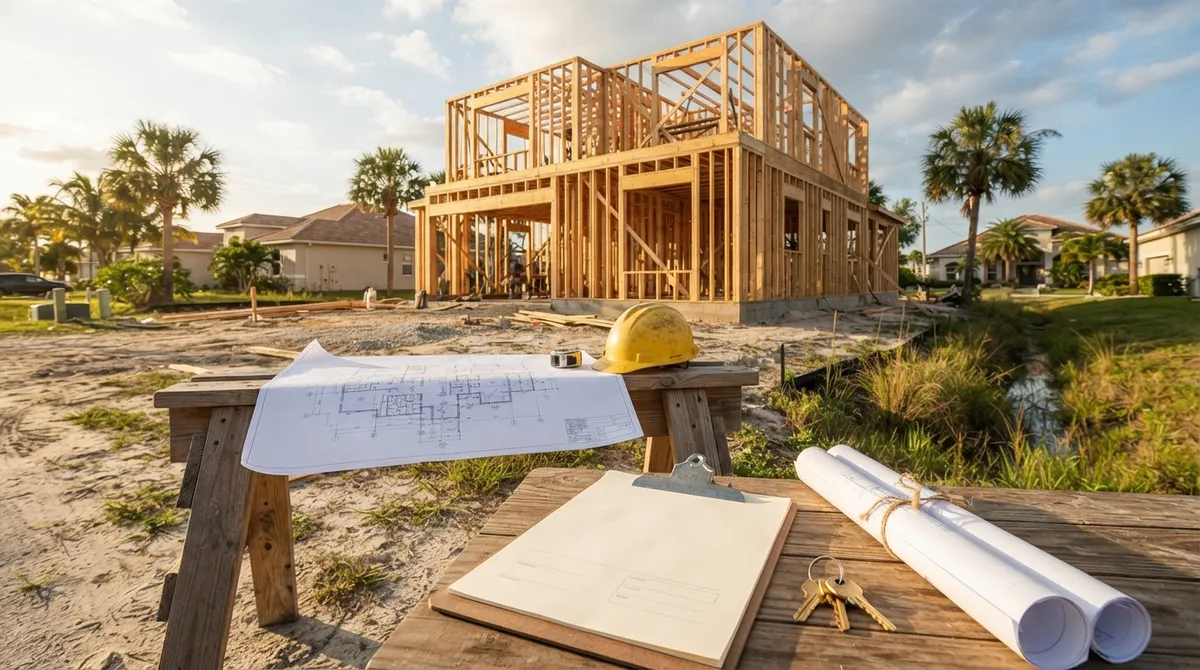
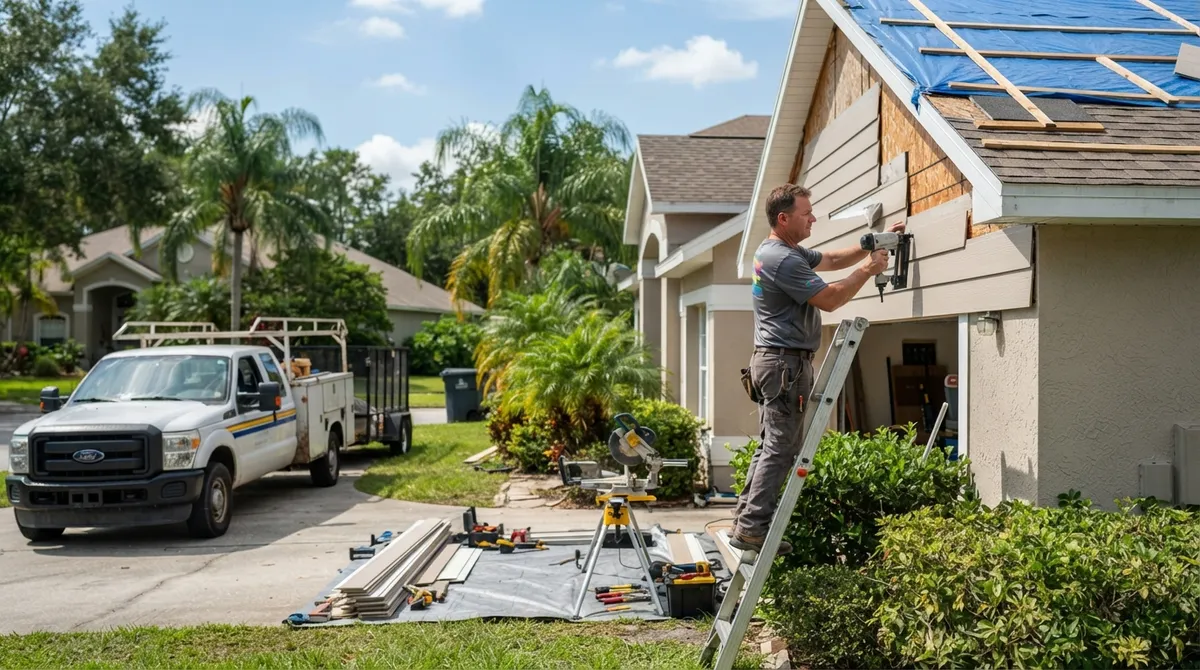
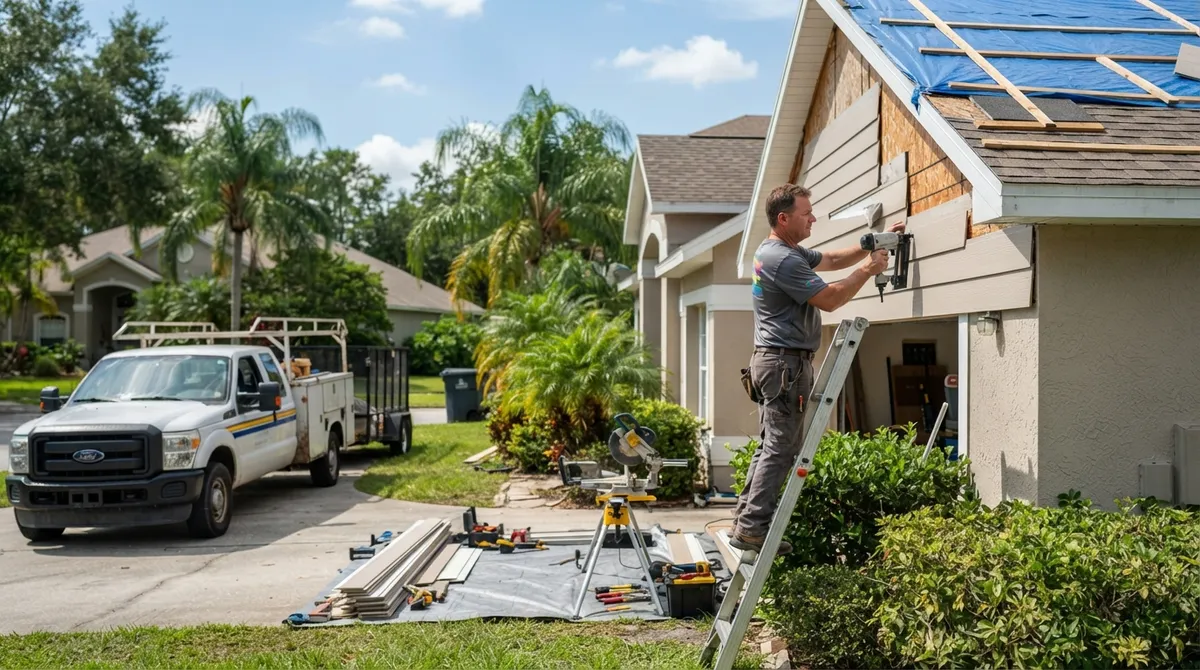
An insurance claim repair contractor helps you fix covered damage after an event like a storm, flood, water leak, or structural problem. Think of this person as the builder who handles the repair side of your claim. They look at the damage, explain what needs to be fixed, and do the construction work.
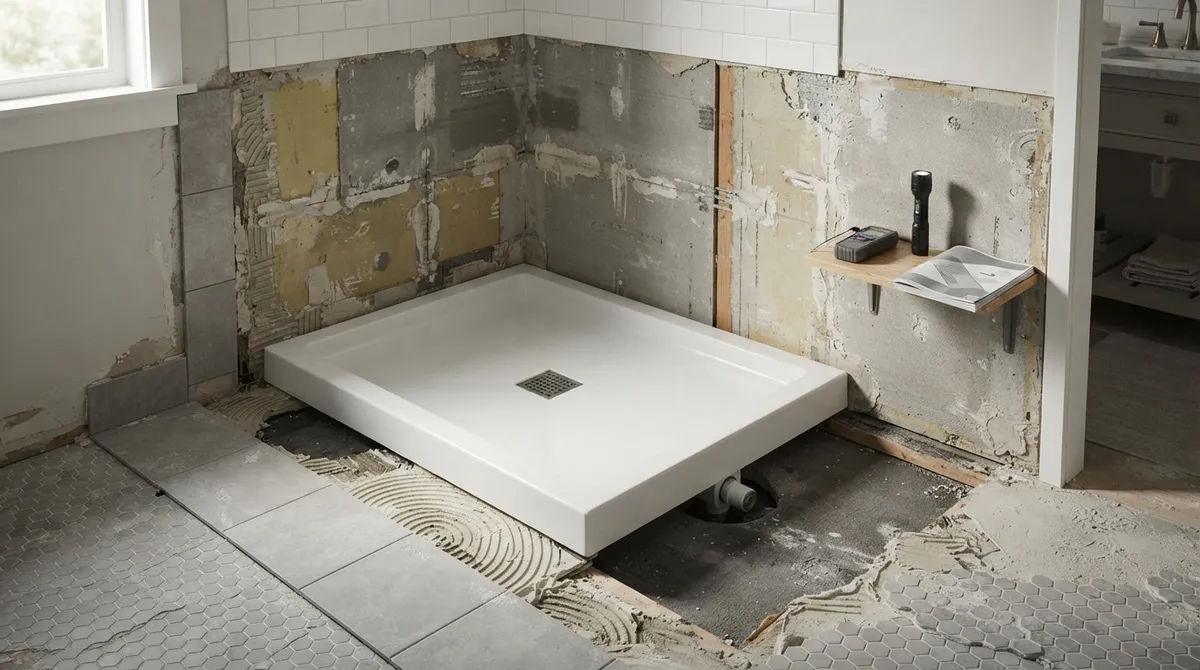
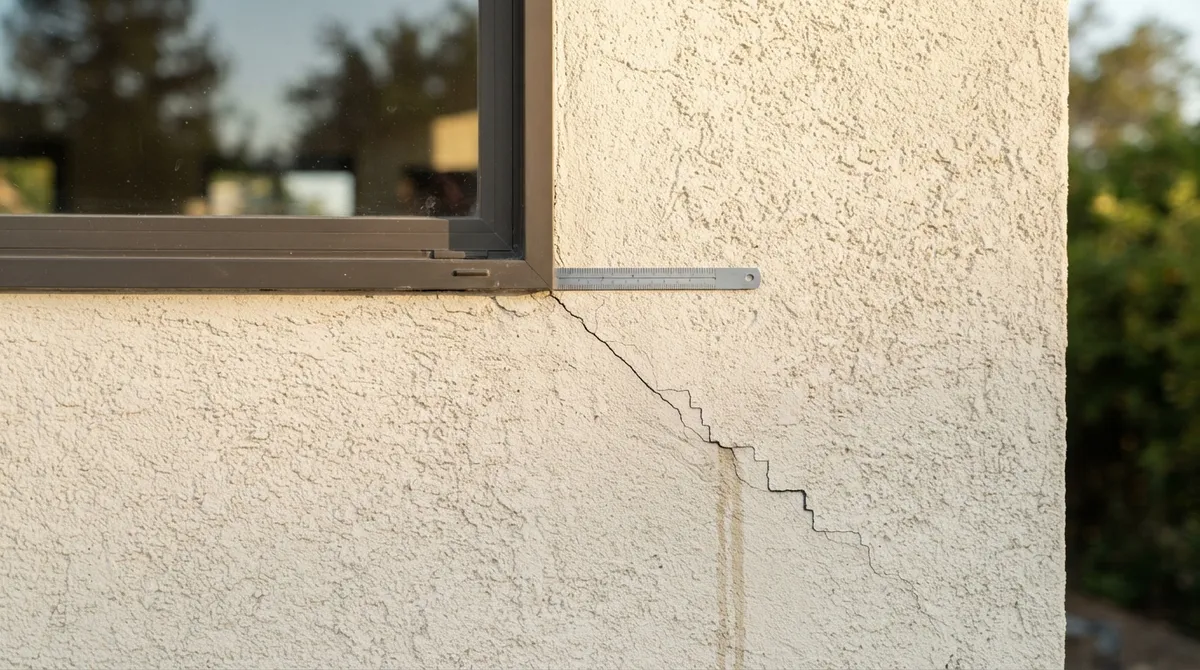
Depending on the loss, repairs can include framing, drywall, flooring, windows, doors, painting, waterproofing, stucco, and structural fixes to framing, concrete, or foundations. Not every contractor offers every trade, so always confirm that the company can handle the work your home needs.
A good contractor can also inspect the damage, put together a repair estimate, and talk through the construction scope with you or your insurer. That is very different from running your claim, which we cover next.
What a Contractor Cannot Do: Contractor vs. Public Adjuster
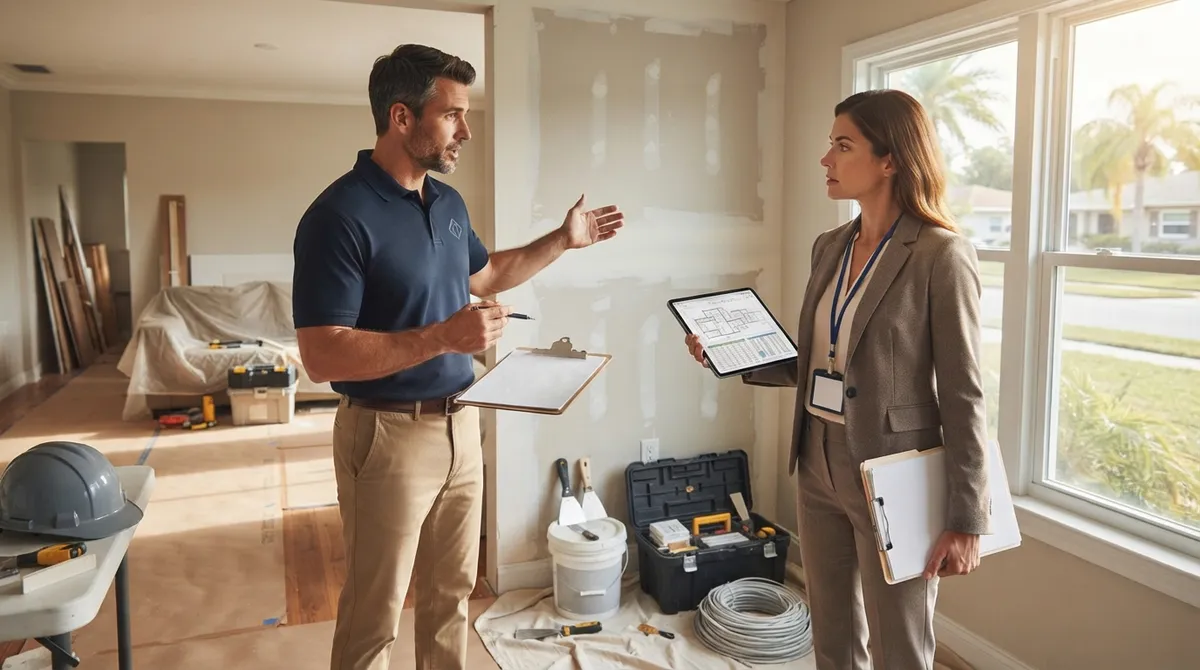
This is one of the most important things to know. Under Florida law, a contractor generally cannot act as a public adjuster. A public adjuster is a separately licensed professional who negotiates or adjusts insurance claims on your behalf. According to Florida Statute 626.854, a contractor may not perform public adjuster services without the required license, although contractors may discuss and explain their repair bids.
So, if someone promises to “handle your claim” or “get you the highest payout,” slow down. Coverage decisions stay between you and your insurance company. A contractor can explain the construction work. They should not promise claim outcomes.
| Role | What They Do | What They Do Not Do |
|---|---|---|
| Repair Contractor | Inspects damage, prepares a repair quote, explains the scope, completes construction | Negotiate or settle your claim |
| Public Adjuster | Represents you in negotiating the claim with your insurer | Perform construction repairs |
| Insurance Adjuster | Evaluates the loss for the insurance company | Represent your side of the claim |
First Steps After Damage to Your Apollo Beach Home
What you do in the first few days matters. Here is a simple order to follow.
- Make it safe. If there is a safety risk, such as structural damage or electrical hazards, get everyone out and call the right emergency help.
- Report the loss. Contact your insurance company as soon as you can and ask how to start your claim.
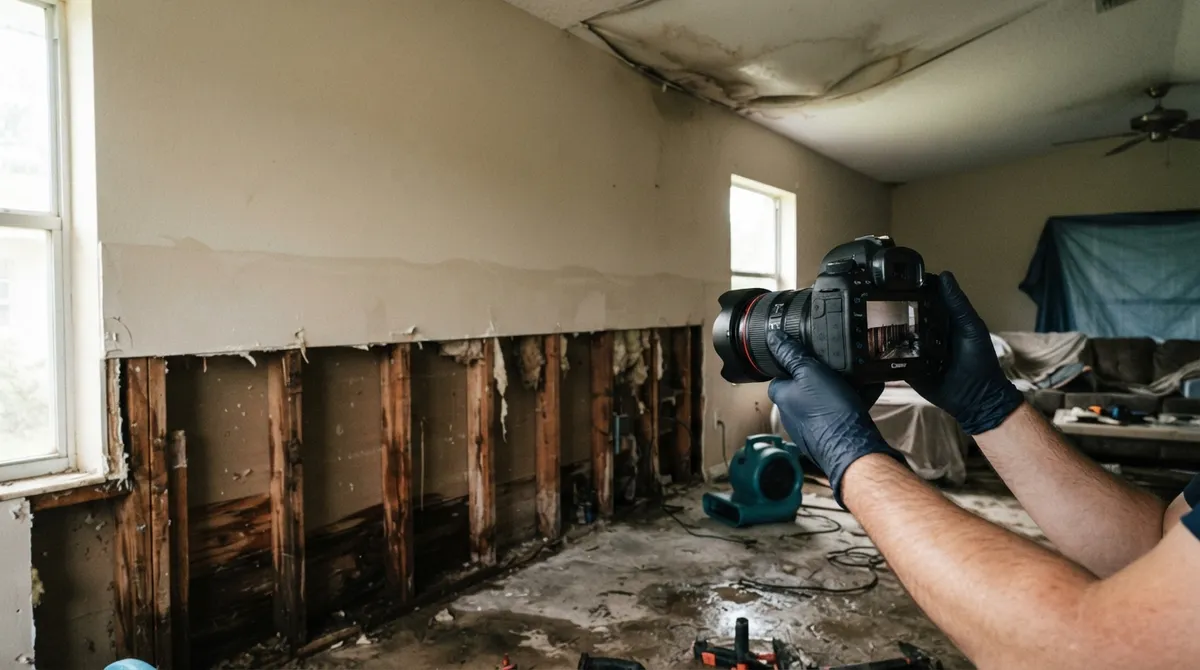
- Document everything. Take clear photos and videos of the damage before anything is moved or cleaned.
- Prevent more damage. Take reasonable steps like covering openings or moving belongings. Keep every receipt.
- Coordinate inspections. When possible, let the insurer inspect before permanent repairs begin.
- Keep a paper trail. Save estimates, work orders, emails, and notes from every call.
If you are dealing with an urgent situation right now, our guide on emergency home repair in Apollo Beach and what to do first can help you sort out the next move.
One quick note on scope. Emergency mitigation, like water removal and drying, is often a separate job from permanent reconstruction. Be sure you know which work a company is actually offering.
How to Verify a Contractor’s License and Insurance
This step takes about ten minutes, and it can save you from a world of trouble. Florida makes it easy to check a license through the state’s DBPR service, called MyFloridaLicense. You can look up a contractor by name or license number.
Here is what to confirm before you sign anything:
- A valid Florida license that matches the type of work being done.
- Workers’ compensation coverage or a valid exemption, with proof you can see.
- General liability insurance with a current certificate.
- Permit responsibility. Ask who pulls permits and how they are handled.
- References and past work you can actually check.
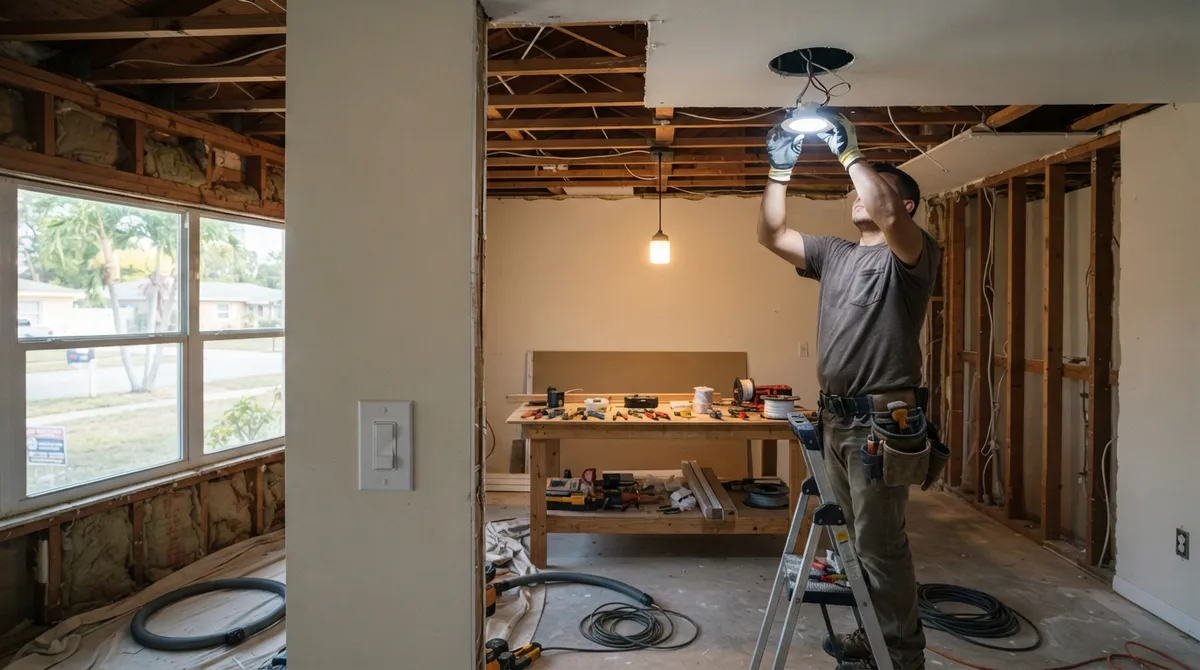
Licensing depends on the work. Structural, electrical, plumbing, and air-conditioning work generally need the right license, and many repairs need permits. At iCorry Construction (Florida License CRC1334854), plumbing and electrical work is handled by qualified trades that we coordinate, so each piece is done by the right professional.
Hiring an unlicensed contractor or handyman might look cheaper up front. But skipped permits and unlicensed work can lead to code violations, trouble selling your home, and even trouble with insurance later. If you want a deeper look, read how to hire a home remodeling contractor in Apollo Beach.
Understanding Florida’s Assignment of Benefits Rules
You may hear the term “assignment of benefits.” It is when a homeowner signs over their insurance payment rights to a contractor. Florida has tightened this a lot. Under Florida Statute 627.7152, assignment of post-loss benefits is generally barred for residential property policies issued on or after January 1, 2023, with some statutory exceptions.
Here is the key point. An assignment is not the same as a repair contract. And neither one gives a contractor the authority to adjust or settle your claim. If a company pushes you to sign over your claim rights quickly, pause and ask questions. You can always take time to read, compare, and ask your insurer what applies to your policy.
How to Compare the Contractor’s Scope With Your Insurer’s Estimate
Your insurer will usually send an estimate for the covered repairs. A contractor will write their own scope and price for the actual work. These two documents often do not match perfectly, and that is normal. The goal is to understand the differences.
Here is a simple way to compare them:
- Ask for an itemized, written scope. You want line items, not a single lump number.
- Line it up with the insurer’s estimate. Look for missing rooms, materials, or steps.
- Ask about hidden damage. Walls and floors can hide problems until work starts.
- Clarify supplements and change orders. Ask how added costs are explained and approved.
- Confirm your deductible. You remain responsible for it, plus any agreed work insurance does not cover.
- Set payment milestones. Payments should tie to real progress, not just time.
A good contractor will explain what they found, why it matters, and how it affects cost or timing before more work moves forward. That honest back-and-forth is a great sign.
What a Good Repair Contract Should Include
Before you sign, make sure the paperwork covers the basics. A clear contract keeps everyone on the same page and protects you if something changes.
| Contract Item | Why It Matters |
|---|---|
| Itemized scope of work | Shows exactly what will and will not be done |
| Materials and finishes | Prevents surprises on quality or style |
| Permit responsibility | Clarifies who handles approvals and inspections |
| Payment schedule | Ties payments to project progress |
| Change order process | Explains how added work is priced and approved |
| Warranty details | Spells out product and workmanship coverage |
| Subcontractor responsibility | Shows who is accountable for each trade |
We do not quote specific prices or timelines in a general article like this, because cost and timing depend on the property and the scope. What we can say is that any contractor should be willing to put the plan in writing and walk you through it.
Permits, Code, and Structural Repairs in Hillsborough County
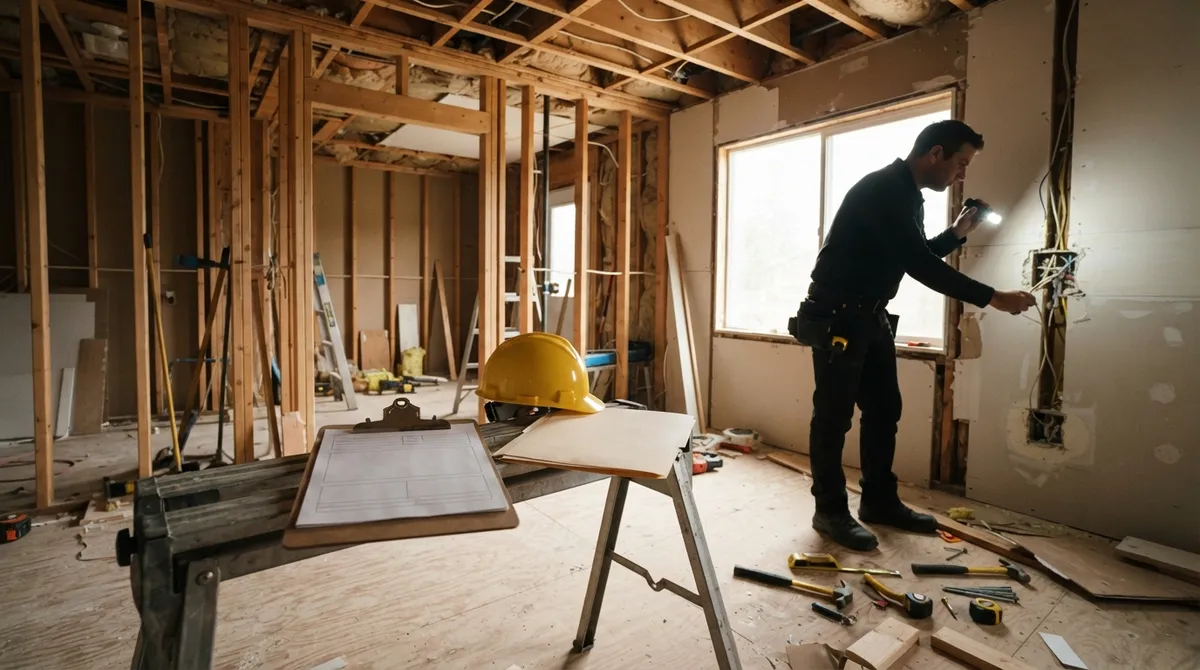
Apollo Beach sits in Hillsborough County, and many repairs need permits. Structural, electrical, plumbing, and air-conditioning work generally call for proper licensing and often a permit. Repairs after storm or flood damage can also uncover older work that was never permitted or does not meet current code.
That is where having a contractor who understands the process helps. When structural repairs involve framing, concrete, or foundations, engineering may be required. Stephen Corry, our owner and license holder, can explain what plans, documents, or engineering a job needs. We never guarantee permit approval, since that decision belongs to the local authority. But we can help you understand the path. If code or permit issues are already in the picture, take a look at our permit and code resolution services.
Red Flags to Watch For
Most contractors are honest hard workers. Still, it helps to know the warning signs, especially after a big storm when out-of-area crews often show up knocking on doors.
- Pressure to sign the same day or “the offer expires today.”
- Promises to get your claim approved or guarantee a payout.
- Offers to waive or cover your deductible.
- No license number, or a license that does not match the work.
- Large upfront payments with no clear milestones.
- Vague scopes with no itemized details.
- No local address, references, or reviews you can check.
If you want to know how to sort through storm repair options, our article on choosing a storm damage repair contractor in Apollo Beach goes deeper.
Why Direct Access to the Owner Makes a Difference
Repairs after damage are personal. It is your home, and you want straight answers from someone who knows what is going on. At iCorry Construction, you work directly with Stephen Corry, the owner and license holder. Stephen started in construction at 14, building custom waterfront homes in the Madeira Beach area, and brings more than 20 years of experience in remodeling, construction, and project management.
For insurance-related repairs, we can document visible damage, prepare a repair quote, and discuss the construction scope with you or your insurer. We do not negotiate claims for homeowners, and we never promise coverage. Your policy and your insurer make those calls. Our job is the construction side, done clearly and honestly. You can learn more about our storm, flood, and structural repairs or see what neighbors say when you visit us on Google — iCorry Construction.
We serve Apollo Beach and nearby communities such as Gibsonton, Ruskin, Riverview, Sun City Center, and Brandon. Project availability depends on location and scope. If you like keeping up with our work, you can also follow iCorry Construction on Facebook.
Turning Repairs Into a Chance to Improve Your Home
Here is a silver lining. When walls are open and floors are up, it can be a smart time to think about upgrades. Maybe that damaged kitchen gets the layout you always wanted. Maybe the bathroom finally gets better lighting. Just remember that upgrades beyond the covered repair are usually your cost, not your insurer’s. Keep those items separate in your scope so everything stays clear.
If you are curious about what is possible, explore our kitchen and bathroom remodeling work or our broader home remodeling and renovations. We are happy to talk through ideas whenever you are ready.
Your Next Step
Choosing an insurance claim repair contractor in Apollo Beach does not have to be overwhelming. Verify the license. Check the insurance. Get a written, itemized scope. Keep your claim conversations with your insurer. And trust your gut when something feels rushed.
If you want a straightforward conversation about your repairs, we would love to help. Contact us to request a free quote, or call us at (727) 637-7785. We respond to quote requests within 24 hours. iCorry Construction, Florida License CRC1334854, is here to help you get back to a home that feels safe and solid again.
FAQs
Q: How do I find a licensed insurance claim repair contractor in Apollo Beach, Florida?
A: Start by checking the contractor’s license on the state’s MyFloridaLicense service. Then ask for proof of workers’ compensation and general liability insurance, plus local references. A trustworthy contractor will happily share all of it.
Q: Can a contractor negotiate my homeowners insurance claim in Florida?
A: Generally, no. Under Florida law, negotiating or adjusting a claim is the job of a licensed public adjuster. A contractor can inspect damage, prepare a repair quote, and explain the construction scope, but your coverage decisions stay between you and your insurer.
Q: What should I do first after storm or water damage to my Apollo Beach home?
A: Make sure everyone is safe, then report the loss to your insurer and take lots of photos and videos. Take reasonable steps to prevent more damage, keep your receipts, and try to let the insurer inspect before permanent repairs begin.
Q: Do I need a permit for repairs in Hillsborough County?
A: Many repairs do, especially structural, electrical, plumbing, and air-conditioning work. Requirements depend on the scope, so ask your contractor who will handle permits and confirm the details with local officials. No contractor can guarantee permit approval.
Q: What should an insurance repair contract include?
A: Look for an itemized written scope, materials, permit responsibility, a payment schedule tied to progress, a clear change order process, and warranty details. It should also explain who is responsible for subcontractors.
Our Service Area