Key Takeaways
-
Stay out of a flooded home until power is shut off by a qualified person, and check for sagging ceilings or cracked foundations before going inside.
-
Document every room and damaged item with photos and video before moving anything, then start your insurance claim early.
-
Riverview is unincorporated, so Hillsborough County Development Services typically handles permits; repairs in a FEMA Special Flood Hazard Area often require one.
-
Hillsborough County's 50% rule: if repair or improvement costs reach 50% of market value in a flood hazard area, the home may need to meet current floodplain rules. Ask the county to review your cost worksheet first.
-
Do not cover wet framing with new drywall; keep damage visible until inspected, since hidden rot can cause larger problems later.
-
Verify contractor licensing through HillsGovHub, get proof of insurance, and get a written scope; standard homeowners policies often exclude flood damage, which may require a separate flood policy.
Waking up to water in your living room is a gut punch. One minute your Riverview home feels safe and cozy. The next, you are staring at soggy floors and wondering where to even begin. If that is you, take a deep breath. You are not alone, and there is a clear path forward.
Flood damage repair in Riverview, FL is more than a cleanup job. It is a rebuilding project, and it comes with rules. Riverview sits in unincorporated Hillsborough County, so the county has a say in how your repairs get done. Permits, flood zones, and a special 50% rule can all shape your plan.
In this guide, we walk through the steps in plain language. You will learn what to do first, how permits work, what the 50% rule means, and how to rebuild smarter. We are iCorry Construction (Florida License CRC1334854), and we want you to feel confident, not overwhelmed.
What Should You Do First After Your Riverview Home Floods?
The first hours matter most. Safety comes before everything else. Here is a simple order to follow.
- Stay safe. Do not enter a home with standing water if the power is on. Electrical hazards are real. Wait for the power to be shut off by a qualified person.
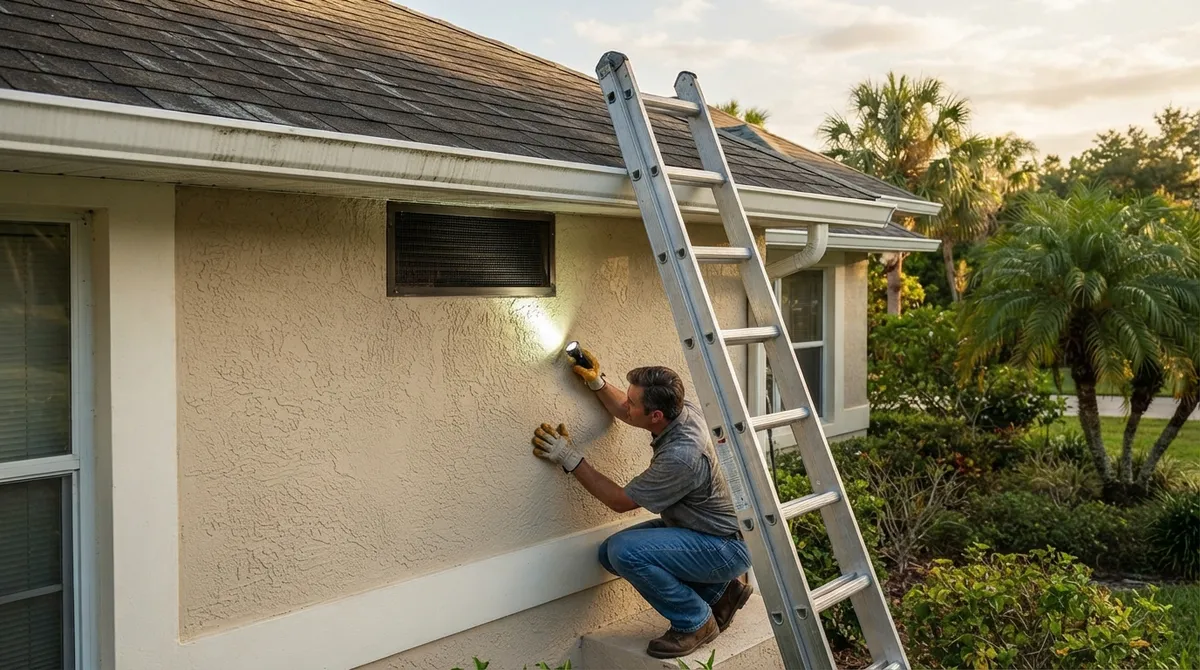
- Check for structural hazards. Look for sagging ceilings, shifted walls, or cracked foundations before you go back inside.
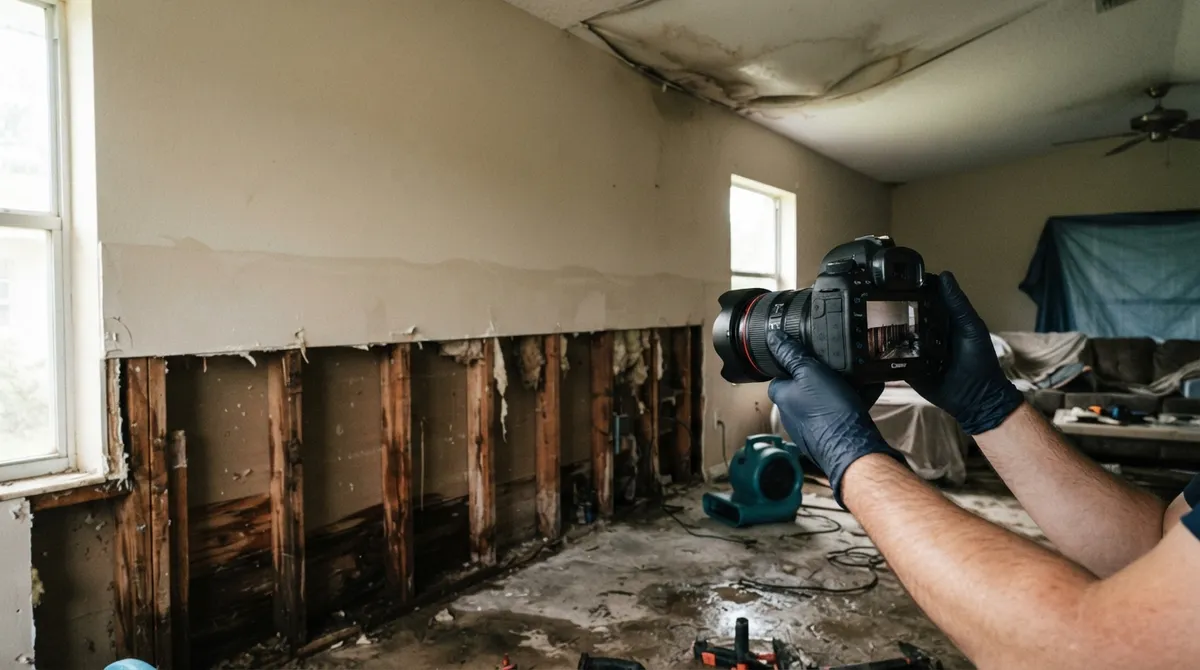
- Document everything. Take photos and video of every room, wall, floor, and damaged item before you move anything.
- Call your insurance company. Start your claim early and ask what they need from you.
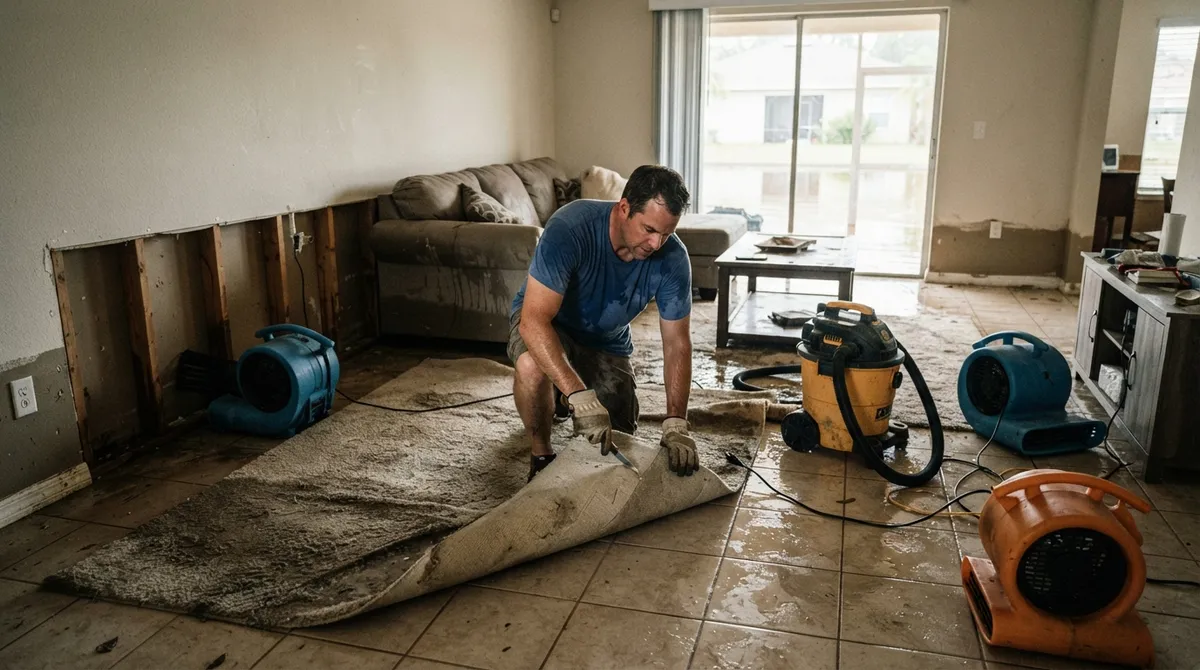
- Get wet materials out quickly. Soaked drywall, insulation, and flooring need to be removed and dried promptly. Hire a qualified water mitigation company for extraction, drying, and mold concerns.
- Do not cover up damage. Keep damaged framing and systems visible until they can be inspected.
That last point is a big one. Hiding wet framing behind new drywall can cause bigger problems later. Let the experts look first.
Where Does a Remodeling Contractor Fit In?
Think of it as a relay race. The water mitigation team dries out your home. Then a licensed contractor takes the baton to rebuild. At iCorry Construction, we handle the reconstruction side, including framing, drywall, flooring, windows, doors, painting, and waterproofing repairs. We also repair stucco and exterior damage, along with structural work on framing, concrete, and foundations, with engineering when required. You can read more about our storm, flood, and structural repairs.
For a few more first-day ideas, our guide on emergency home repair and what to do first is a handy read.
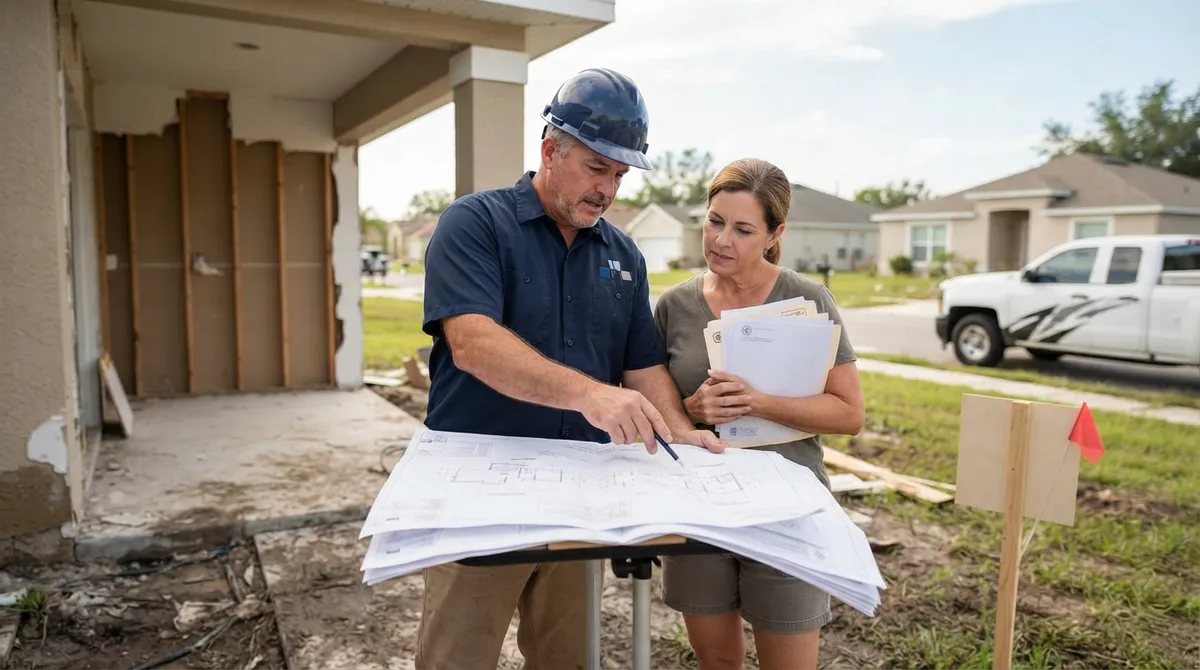
Who Handles Permits for Flood Repairs in Riverview?
Here is a fact that surprises many homeowners. Riverview is an unincorporated community in Hillsborough County. That means Hillsborough County Development Services handles permitting for most Riverview properties. It is smart to confirm this for your exact address before work starts.
The county asks homeowners to submit permit applications through HillsGovHub. The permit type depends on the work. The county’s recovery guidance separates simple repairs that return a home to its prior condition from larger structural changes or demolition.
Do You Need a Permit for Flood Damage Repair?
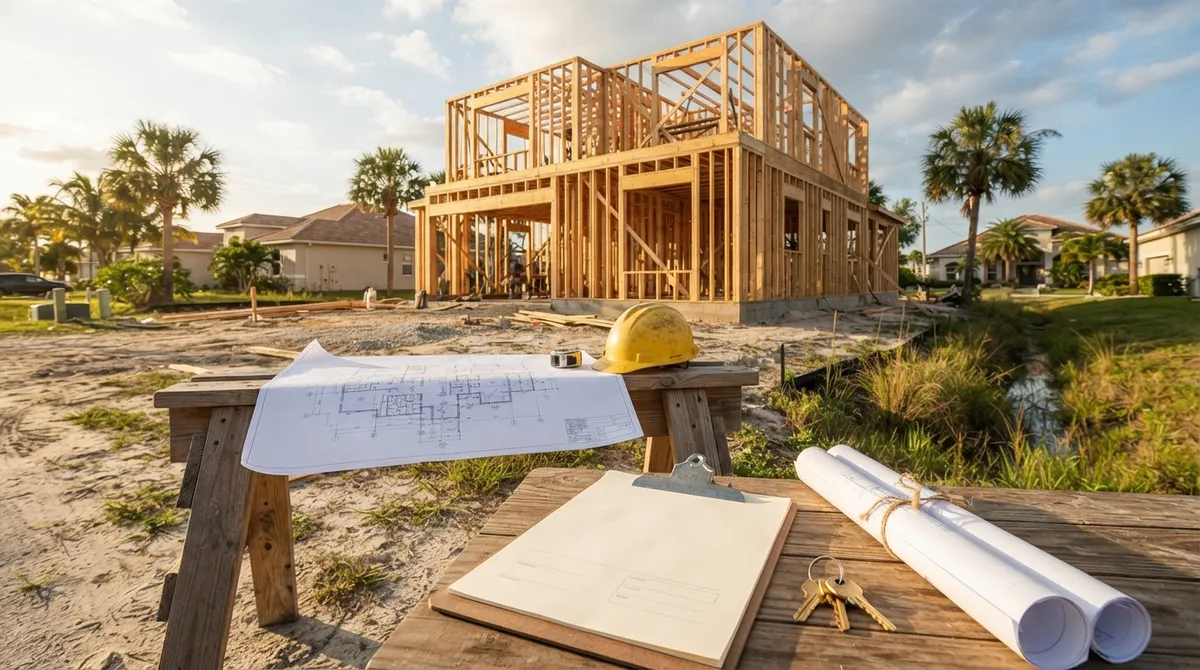
Often, yes. Hillsborough County says permits are required for rebuilding or structural repairs in a FEMA Special Flood Hazard Area. Permits may also apply to systems and parts of the home, such as walls, plumbing, septic, and heating or air conditioning. Always confirm your scope with the permitting department before work begins.
We know permits can feel like a maze. That is why we offer help with permit and code resolution. We cannot promise approval, but we can help you understand what is needed and keep the process moving.
How Do You Check Your Flood Zone in Riverview?
Your flood zone shapes your rebuild. It can affect which rules apply and how high certain parts of your home must sit. Here is how to check.
- Use the Hillsborough County GIS mapping tools to look up your address.
- Visit the FEMA Flood Map Service Center to see official flood maps and base flood elevation.
- Ask the county permitting team to confirm your zone if the maps look unclear.
One important note. A map check is not a promise that your home will stay dry. Flood risk can exist outside mapped Special Flood Hazard Areas. A 2024 First Street report estimated that 1,680 of 2,440 Riverview properties, or 68.9%, could face some flood risk over the next 30 years. It also estimated that 220 properties sit in FEMA Special Flood Hazard Areas, Zones A or V. These are model-based estimates, not official FEMA determinations, but they show that flood risk reaches well beyond the mapped zones.
What Is Hillsborough County’s 50% Rule for Flood-Damaged Homes?
This is the rule that catches people off guard. It is called the substantial-damage and substantial-improvement rule. In simple terms, it works like this.
If the cost to repair your flood damage, or the cost of improvements you plan, equals or exceeds 50% of the building’s market value, the county may require the home to meet current floodplain rules. This applies in a Special Flood Hazard Area, and the county uses its own calculation to figure the numbers.
| Situation | What It Can Mean |
|---|---|
| Repair cost under 50% of market value | Repairs usually focus on restoring the home, with permits as required |
| Repair cost at or above 50% of market value (in a flood hazard area) | The structure may need to meet current floodplain requirements |
| Major structural change or demolition | A different permit type and closer review may apply |
| Unsure where you stand | Ask the county to review your scope and cost worksheet before committing |
Our advice is simple. Ask the county to review your scope and cost worksheet before you commit to repairs. It can save you from costly surprises. Never assume the numbers. Let the county confirm them.
What Does the Repair Process Look Like Step by Step?
Every home is different, but most flood repair projects follow a similar rhythm. Here is how we work with homeowners.
- Discuss your goals. We talk about your priorities, budget, and timing.
- Define the work. We review materials, permits, and any engineering needed.
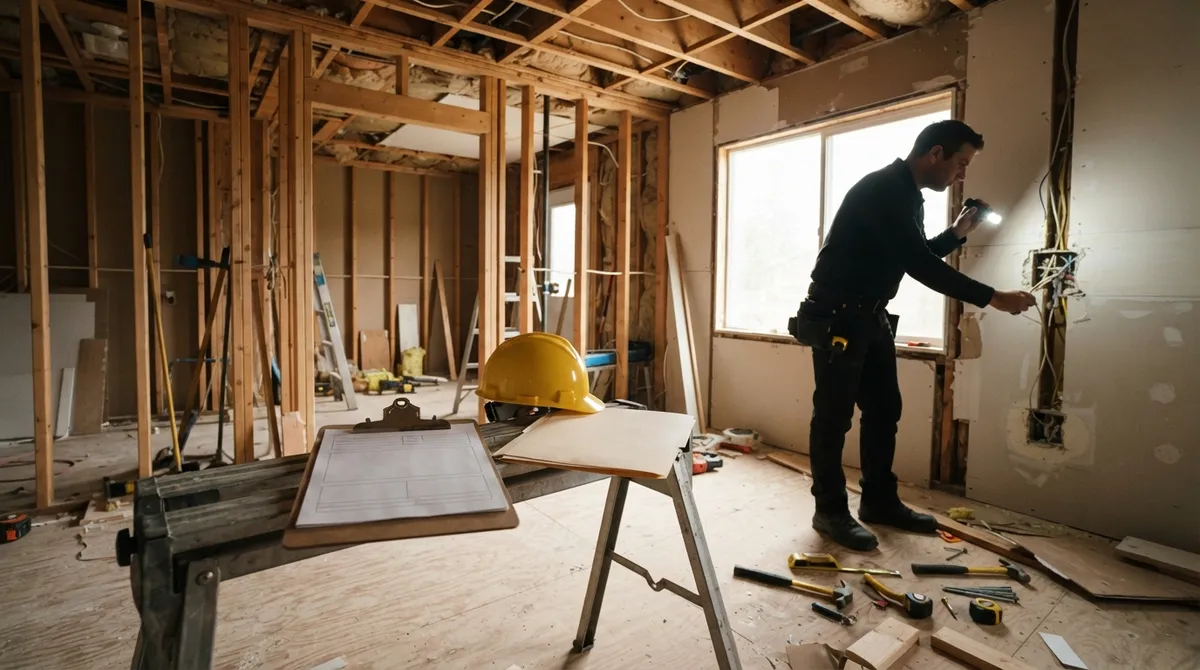
- Document visible damage. For insurance-related repairs, we can document visible damage, prepare a repair quote, and discuss the construction scope with you or your insurer.
- Rebuild with the right approvals. Stephen coordinates the approved work, trades, and scheduling, and keeps you informed.
- Walk through the finished project. We review the work with you and go over product and workmanship warranty information.
Coverage decisions stay between you and your insurance company. We do not negotiate claims, and we never promise outcomes. What we can do is give you a clear, honest repair scope.
What If We Find Hidden Damage?
It happens often with flooding. Once old drywall and flooring come out, we may find rotted framing or damaged materials behind the walls. When that happens, Stephen explains what he found, the proposed repair, and how it affects cost or timing before more work moves forward. No surprises, just clear talk.
Which Repairs Do Flooded Homes Usually Need?
Flood repair scopes vary a lot. Here are common areas we see in Riverview homes.
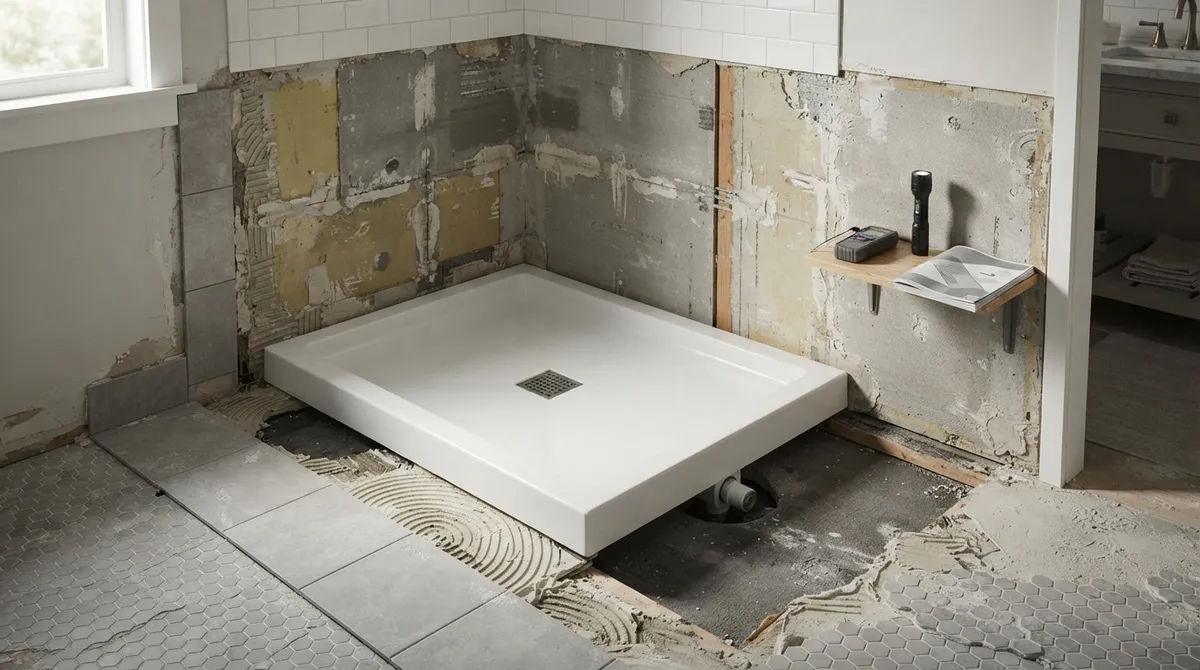
- Drywall and insulation: Wet walls often need to be cut out and replaced.
- Flooring: Tile, hardwood, and luxury vinyl plank may need to be removed and reinstalled.
- Framing: Water-damaged studs and plates may need repair or replacement.
- Windows and doors: Swollen or damaged units may need replacing.
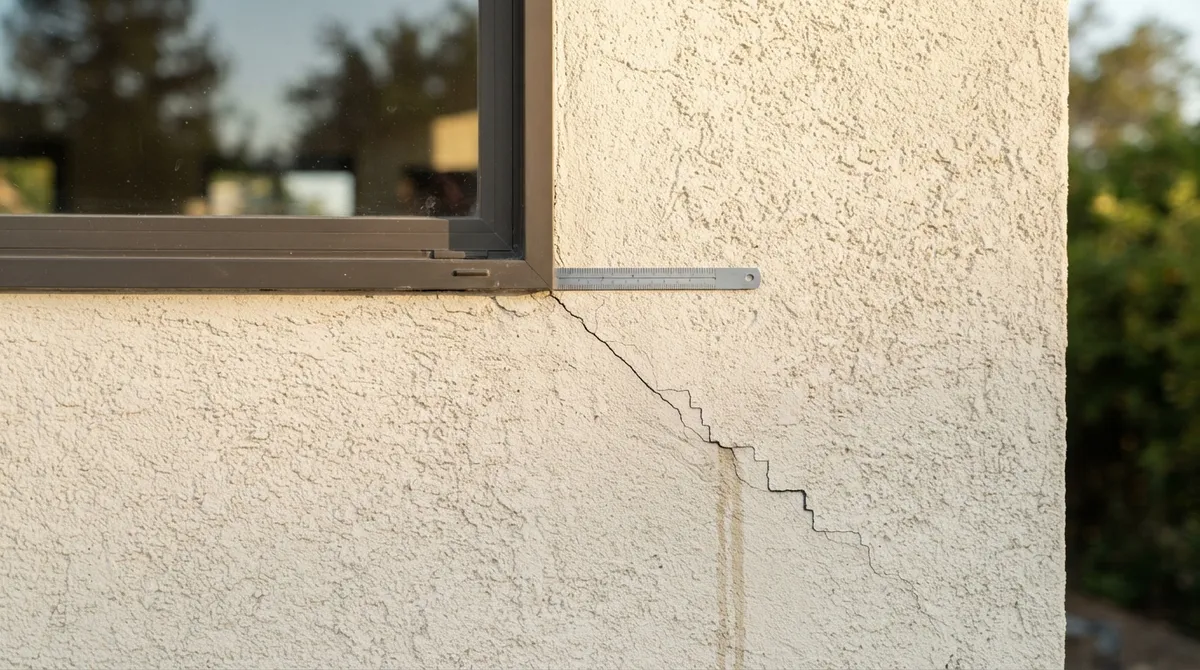
- Stucco and exterior: Cracks and water entry points need repair and waterproofing.
- Foundation and concrete: Structural issues may call for engineering input.
- Painting and finishes: The final touches that make the house feel like home again.
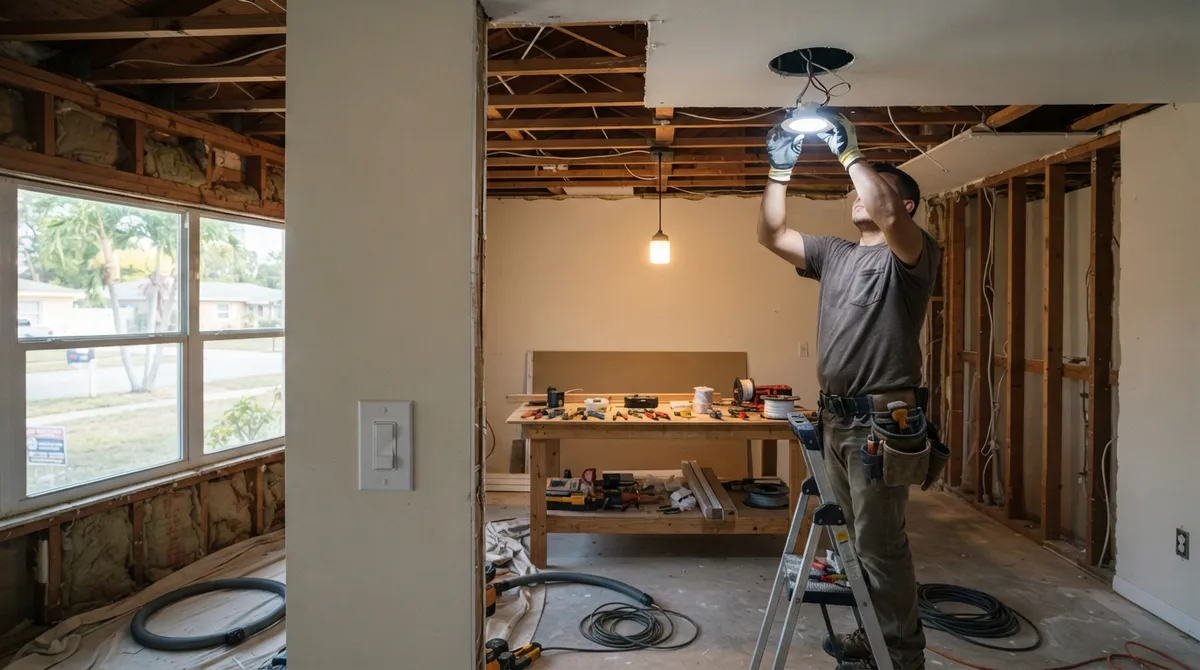
Plumbing and electrical work is done by qualified trades that we coordinate. We do not perform it ourselves, but we make sure it fits smoothly into the schedule. If your walls show cracks, our post on patch versus rebuild for stucco crack repair in Riverview can help you think it through.
How Can You Rebuild to Reduce Future Flood Damage?
Here is the silver lining. A rebuild is a chance to make your home tougher. Smart choices now can cut down on losses later. Always review design choices against local code, your flood zone rules, and your home’s exposure.
| Upgrade Idea | Why It Helps |
|---|---|
| Flood-damage-resistant materials below expected flood levels | They handle water better and are easier to clean and dry |
| Elevating or relocating vulnerable equipment | Keeps costly systems out of harm’s way |
| Protecting electrical and mechanical systems | Reduces repair costs after future water events |
| Improving drainage around the home | Moves water away from the foundation |
| Waterproofing repairs | Helps keep water out of walls and lower areas |
If your flood repair sits inside a bigger plan, such as a new bathroom or kitchen, you can combine the work. Our guides on planning a bathroom remodel in Riverview and kitchen remodel costs in Riverview can help you think about the full picture.
How Do You Choose a Safe, Licensed Contractor?
After a flood, the doorbell rings a lot. Strangers offer quick fixes at low prices. Please be careful. Hiring an unlicensed contractor or handyman can leave you with failed inspections, denied permits, and unfinished work. Permits and licensing matter, and they protect you.
Here is a quick checklist.
- Look up the contractor’s license through the county’s HillsGovHub contractor-license lookup.
- Ask for proof of insurance.
- Get a written scope that spells out materials, permits, and engineering needs.
- Ask who will actually manage your project day to day.
- Be wary of anyone who says you can skip the permit.
At iCorry Construction, you work directly with Stephen Corry, the owner and license holder. He started in construction at 14, building custom waterfront homes, and brings more than 20 years of experience to every project. For more tips, see our guides on choosing a storm damage repair contractor and choosing an insurance claim repair contractor.
Does Homeowners Insurance Cover Flood Damage?
This one confuses a lot of people. Standard homeowners insurance and flood insurance are usually separate things. Many standard policies do not cover flood damage, while a separate flood policy may. Check your policy and talk to your insurance company about what applies to your situation.
We cannot tell you what your policy covers, and we do not negotiate claims. What we can do is help you understand the construction scope so your conversation with your insurer is clear and well documented.
Planning Ahead: Stay Ready for the Next Storm
Once you are back on your feet, a little prevention goes a long way. Regular check-ups catch small issues before they grow. Our tips on home maintenance inspections for Riverview and our list of what a pre-hurricane season home inspection should include are great places to start. If you are not sure whether you need a repair crew or a larger remodel, this piece on maintenance versus remodeling contractors can help.
Ready to Rebuild Your Riverview Home?
Flood damage is hard, but you do not have to figure it out alone. With the right steps, the right permits, and a licensed contractor in your corner, your home can come back safe and strong. We love helping Riverview families get back to normal, and we would be glad to help you too.
See what neighbors say about us and visit our iCorry Construction location on Google, or follow iCorry Construction on Facebook for project updates. Ready to talk? Contact us to request a free quote, or call (727) 637-7785. We respond to quote requests within 24 hours.
FAQs
Q: How do I find out whether my Riverview, FL home is in a flood zone?
A: You can look up your address on the Hillsborough County GIS tools or the FEMA Flood Map Service Center. These show your zone and base flood elevation. Keep in mind that flood risk can exist outside mapped zones, so a map check is helpful but not a guarantee.
Q: Do I need a permit to repair flood damage in Riverview, Florida?
A: Often you do. Hillsborough County requires permits for rebuilding or structural repairs in a FEMA Special Flood Hazard Area, and permits may also apply to walls, plumbing, and heating or air conditioning. Confirm your exact scope with the county before any work begins.
Q: What is Hillsborough County’s 50% rule for flood-damaged homes?
A: If repair or improvement costs equal or exceed 50% of the building’s market value under the county’s calculation, the home may need to meet current floodplain requirements in a Special Flood Hazard Area. Ask the county to review your scope and cost worksheet before you commit to repairs.
Q: How can I verify that a contractor is licensed in Hillsborough County?
A: Use the contractor-license lookup available through HillsGovHub, and ask the contractor for proof of insurance. A licensed, insured contractor protects you from failed inspections and unfinished work.
Q: Does homeowners insurance cover flood damage?
A: Standard homeowners policies often do not cover flood damage, while a separate flood insurance policy may. Check your policy details and talk with your insurance company, since coverage decisions are made between you and your insurer.
Our Service Area