Key Takeaways
-
Verify the builder's Florida license number yourself through DBPR or Hillsborough County's HillsGovHub, confirming it is active and covers your type of work before signing anything.
-
Get at least three written bids from contractors, and compare scope, experience, and what is included rather than choosing on price alone, since low bids often omit permits or engineering.
-
Confirm which permitting office handles your exact address, since most structural work, additions, and plumbing, electrical, or HVAC changes require county permits.
-
Check your lot's flood zone, drainage, and utilities early using official county and FEMA resources, because these can change what you can build and where it can sit.
-
Require the contract to spell out who handles design, engineering, permits, inspections, change orders, hidden damage, warranty, and closeout before you sign.
-
Get HOA or deed-restriction approval separately from county permits, since one does not replace the other and designs can be rejected without it.
Dreaming of a home that fits your life? You are in good company. Many Riverview families want a custom build, a big addition, or a full teardown and rebuild. Picking the right custom home builder in Riverview, FL is the first big step, and it is easier when you know what to ask.
Riverview sits in Hillsborough County, near the Alafia River and its creeks. That means flood zones, drainage, wind, and heavy rain all matter when you plan your project. The good news is that a little homework up front saves a lot of stress later.
Below are 10 friendly, practical tips to help you pick a builder, understand permits, and avoid common surprises. Whether you are starting from approved plans or planning a major remodel, these steps will keep you on solid ground.
1. Understand What a Custom Builder Actually Does
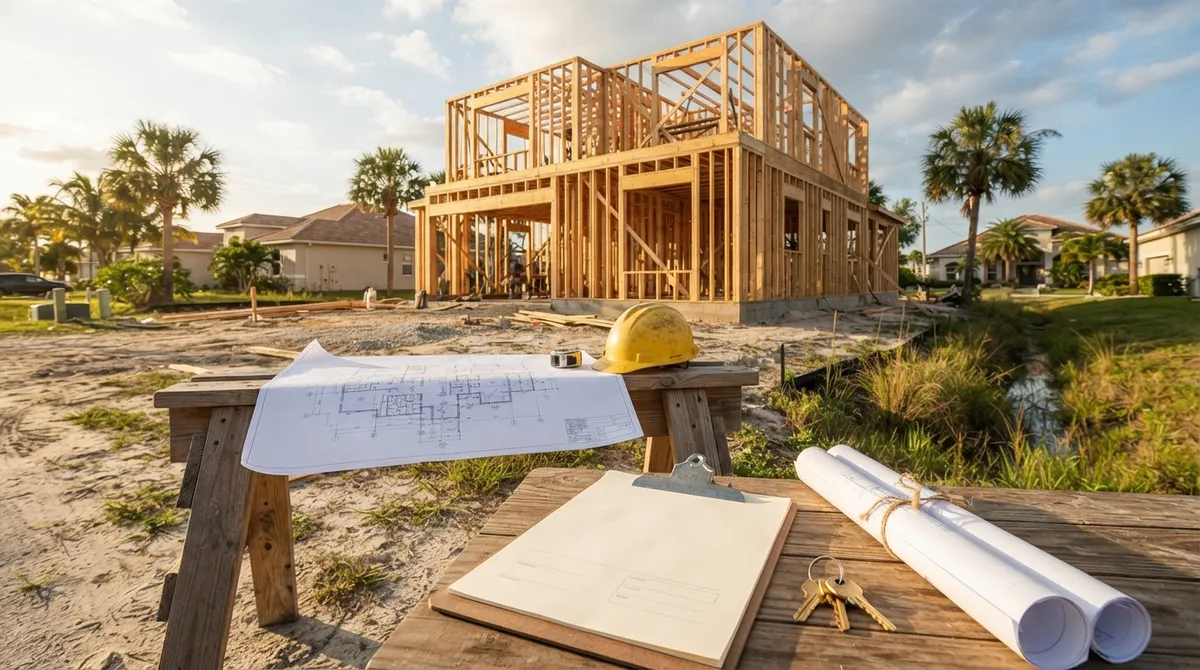
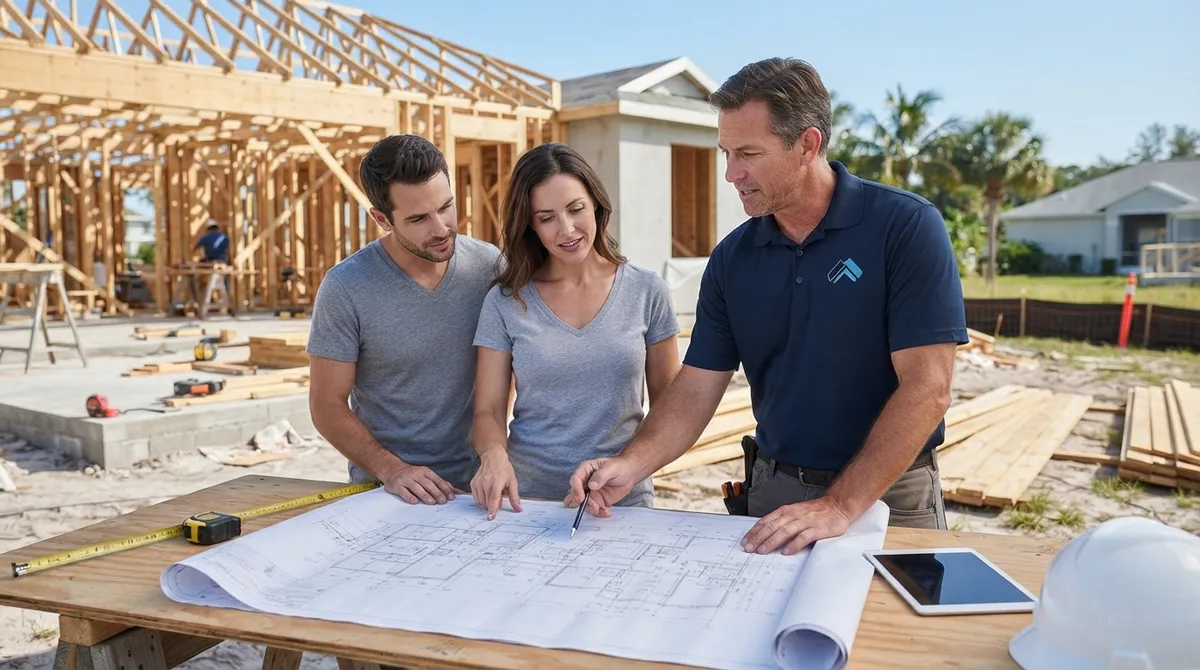
A custom home builder constructs a one-of-a-kind home for your lot and your needs. A remodeling contractor changes or improves a home that already stands. In real life, the lines blur.
Many builders also take on additions, teardown-rebuilds, and whole-home renovations. That is helpful because you may start with one idea and change your mind once you see the site. Ask any builder you meet which of these jobs they do every day.
At iCorry Construction (Florida License CRC1334854), we offer new home construction from approved plans, plus additions and major renovations. That mix is useful when your project sits somewhere between “remodel” and “rebuild.”
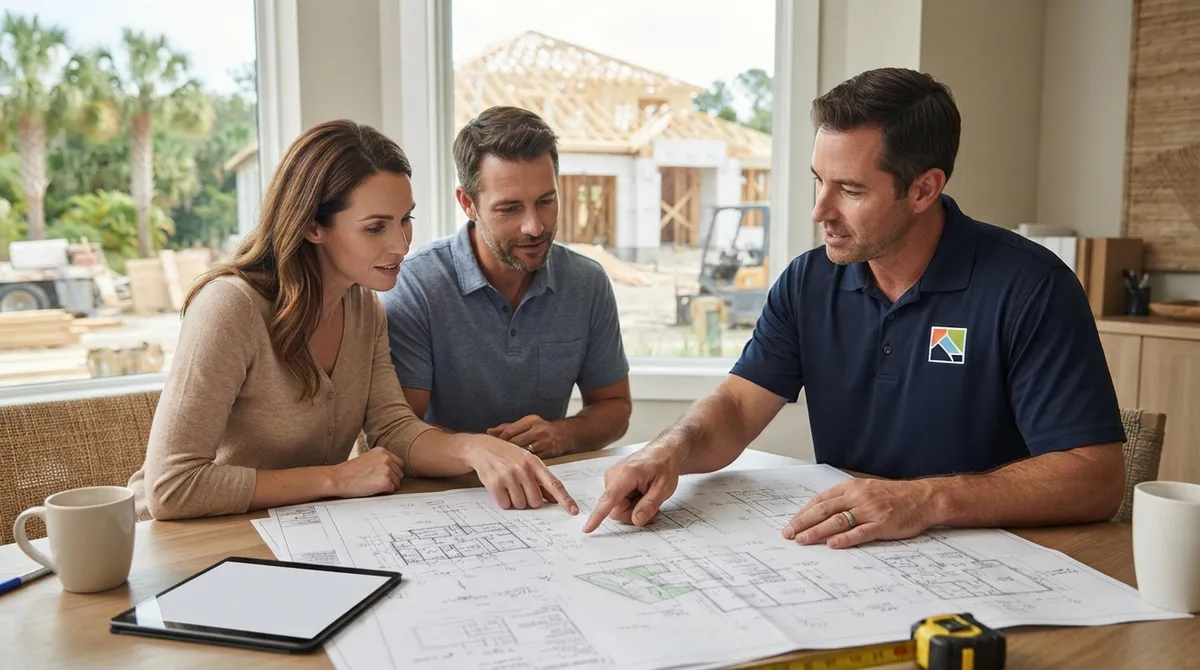
2. Confirm Your Permitting Jurisdiction First
Riverview is in Hillsborough County, but permitting authority depends on your exact address. Before you apply for anything, confirm which office handles your property. Hillsborough County provides permit applications, records, and inspections through its Building Services and HillsGovHub systems.
Hillsborough County says most construction requires approval and permits. Structural work, additions, and changes involving plumbing, electrical, or HVAC commonly need them. A good builder checks this for you at the start and does not guess.
3. Verify the License, Every Time
This one matters more than almost anything else. For regulated work, the contractor should hold an active Florida or Hillsborough County license. Hillsborough County suggests checking credentials through DBPR or HillsGovHub.
Why so strict? Unlicensed contractors and handymen can leave you with failed inspections, unpermitted work, and costly fixes. Insurance and resale can suffer too. A license check takes a few minutes and protects a very large investment.
- Ask for the license number and look it up yourself.
- Check that the license is active and fits the work you need.
- Ask about insurance, and request proof.
- Review permit history for past projects when you can.
4. Get at Least Three Written Bids
Hillsborough County advises homeowners to interview at least three contractors and get written bids. It is smart advice. Bids side by side show you who understood your project and who just wrote a number.
Do not choose on price alone. A low bid can hide missing items, such as permits, engineering, or site prep. Compare experience and scope, not only the bottom line.
Our guide on how to hire a home remodeling contractor walks through this process in more detail.
5. Know What the Contract Should Cover
A contract is not just paperwork. It is your map. Before you sign, make sure you know who handles each part of the job. Clarify whether design, engineering, permits, subcontractors, inspections, and closeout are included.
| Contract Item | What to Confirm |
|---|---|
| Scope of work | A clear written description of what is built and finished |
| Plans and engineering | Who provides them, and what is required for your project |
| Permits and inspections | Who applies, who schedules, who pays |
| Materials and finishes | Brands, grades, and allowances in writing |
| Changes and hidden damage | How surprises are explained, priced, and approved |
| Warranty | Product and workmanship coverage, in writing |
| Closeout | Final walkthrough and punch list process |
If a contract feels vague, ask questions until it does not. Good builders welcome that.
6. Check Flood Zone, Drainage, and Site Conditions Early
Riverview has many properties near the Alafia River and its tributaries. Flood status is specific to each property, so do not rely on neighborhood guesses. Use official county and FEMA resources to check your lot.
Also look at zoning, lot access, utilities, and drainage before you fall in love with a design. These details can change what you can build, where it can sit, and how much site work is needed. Raising this early prevents expensive redesigns.
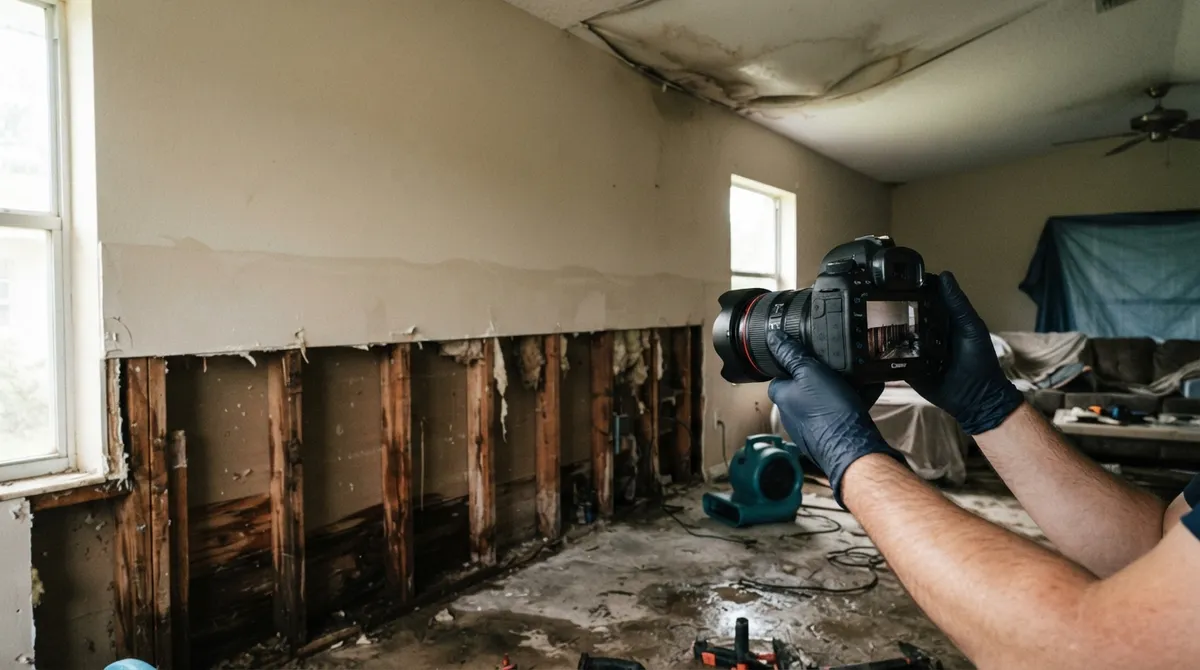
If your home has already taken on water, our page on storm, flood, and structural repairs explains how reconstruction work is handled.
7. Ask How the Plans Meet Florida Weather Demands
Florida homes face wind, rain, heat, and humidity. Good construction plans for those conditions. Ask your builder how the proposed plans meet current applicable building-code requirements.
Here are the areas worth asking about:
- Windows and doors that fit current code needs
- Moisture management and waterproofing
- Drainage around the foundation and lot
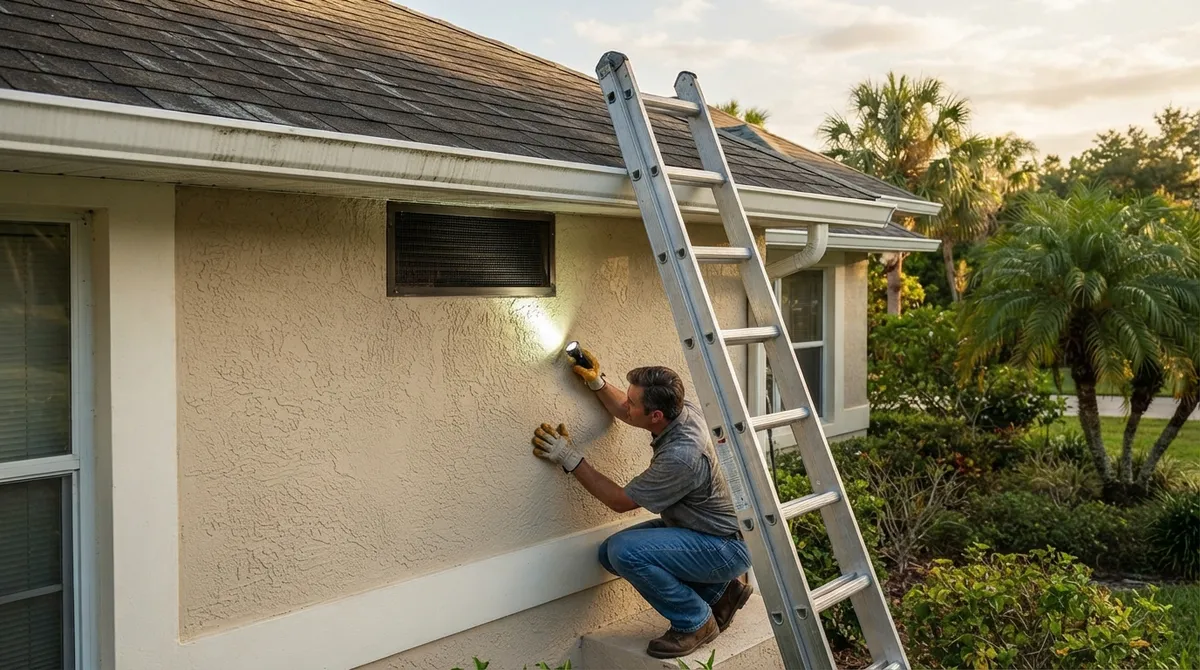
- Durable exterior materials, including stucco
- Structural connections and framing details
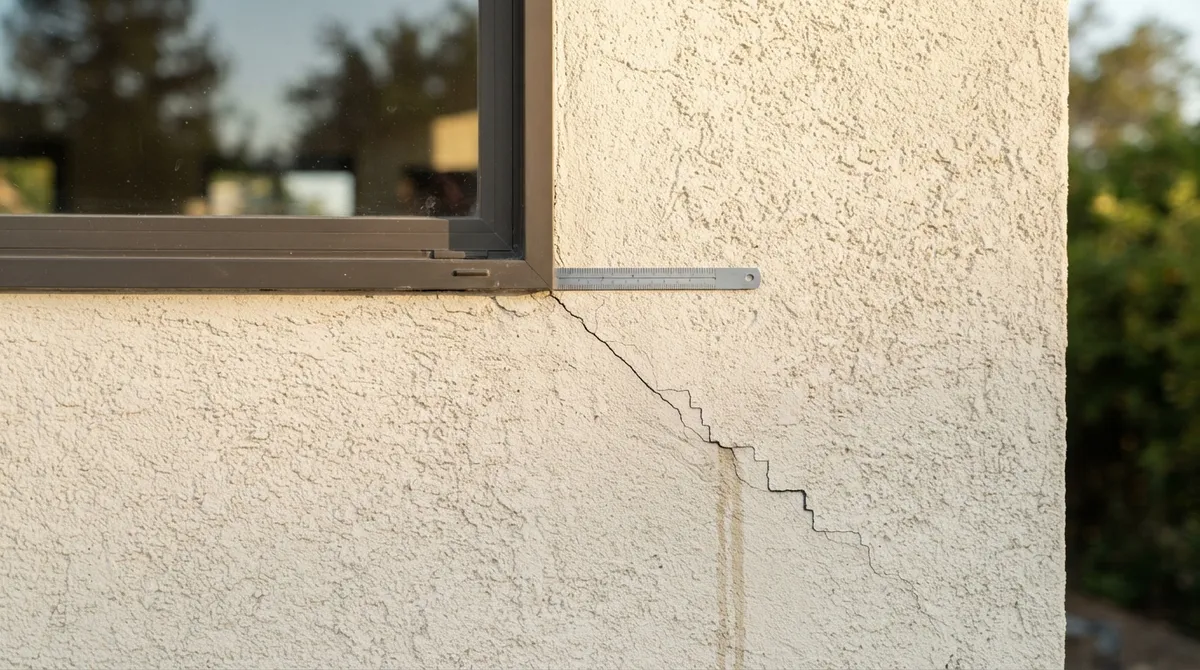
Stucco is a common Riverview exterior, and cracks can hint at bigger issues. Our article on patch vs. rebuild stucco crack repair shows how to tell the difference.
8. Do Not Forget HOA and Deed Restrictions
If you live in a community with an HOA, review the rules before any exterior change or addition. Architectural approval from a community is separate from government permits. One does not replace the other.
You will usually need both. Getting HOA approval first can save you from designing something that gets turned down. A thoughtful builder will ask about your HOA at the very first meeting.
9. Plan for Additions, ADUs, and Garage Conversions Carefully
Growing family? You may not need a whole new home. A room addition, accessory dwelling unit (ADU), or garage conversion can add space without leaving the neighborhood you love.
Not every property qualifies for an ADU, though. Zoning, setbacks, utilities, site conditions, and local permitting all need review first. We cover this in 5 things to know before hiring an ADU builder, and you can see our full range of additions, ADUs, and garage conversions on our site.
If plans, design documents, or engineering are needed, Stephen Corry can explain what your project requires. We do not provide in-house design or architectural services, so we help you understand what to bring to the table.
10. Choose Direct Access to the License Holder
Here is a tip that makes a real difference: ask who will actually run your project. With a large company, you may talk to salespeople, then project managers, then crews you have never met.
With iCorry Construction, you work directly with Stephen Corry, the owner and license holder. Stephen started in construction at 14, building two- and three-story custom waterfront homes in the Madeira Beach area. He has more than 20 years of experience in remodeling, construction, sales, and project management, and he holds a business degree from the University of South Florida.
He coordinates permits, trades, and scheduling, and he keeps you informed. If hidden damage or earlier work needing correction shows up, he explains what he found, the proposed repair, and how it affects cost or timing before more work moves forward. Plumbing and electrical work is done by qualified trades that we coordinate.
A Quick Look at How the Process Flows
Every project is different, but most good builds follow a similar path. Here is the general flow we use:
- Discuss your goals, priorities, budget, and timing.
- Define the work, including materials, permits, and any engineering needed.
- Coordinate approved work, trades, and scheduling, with regular updates.
- Walk through the finished project and review warranty information.
Costs and timelines depend on the property and the scope. Plan review, site conditions, and required approvals all play a part, so be wary of anyone who promises exact numbers before seeing your lot.
Custom Build or Major Remodel? A Simple Comparison
| Option | Best For | Key Things to Check |
|---|---|---|
| New custom home | Owners with approved plans and a buildable lot | Zoning, flood zone, utilities, engineering |
| Teardown and rebuild | Homes where the layout or structure no longer works | Demolition permits, site access, drainage |
| Addition | Families needing more room in the same place | Setbacks, HOA approval, tie-in to existing structure |
| Whole-home renovation | Homes with good bones that need updates | Hidden conditions, permits, scope clarity |
Not sure which path fits? Our home remodeling and renovations page is a good place to start thinking it through.
Why Permits and Licensing Protect You
We hear this story too often. A homeowner hires a cheaper, unlicensed person, work gets done without permits, and later a code issue or failed inspection appears. Now the fix costs more than doing it right the first time.
If you are already in that spot, you are not alone, and there is a way forward. Our permit and code resolution service helps homeowners dealing with unpermitted work, code violations, or unfinished projects. We cannot guarantee permit approval or case closure, but we can explain your options clearly.
See Who We Are Before You Call
It helps to meet a builder before you commit. You can read about iCorry Construction and see what past customers say. Take a look at our reviews: Visit us on Google — iCorry Construction. We are proud of our 5-star Google reviews and A+ BBB rating. You can also follow iCorry Construction on Facebook for project updates.
For the official rules, Hillsborough County explains the process on its permits for homeowners page, and its contractor selection guidance is worth a read before you sign anything.
Ready to Start Your Riverview Project?
Choosing a custom home builder in Riverview, FL does not have to feel overwhelming. Check the license, confirm your jurisdiction, study your flood and drainage details, get written bids, and pick someone who answers your questions plainly.
We would love to talk through your plans. Request your free quote or call us at (727) 637-7785. We respond to quote requests within 24 hours, and you will speak directly with Stephen Corry from the very first conversation.
FAQs
Q: How do I find a licensed custom home builder in Riverview, FL?
A: Start by asking each builder for their license number, then look it up through DBPR or Hillsborough County’s HillsGovHub. Make sure the license is active and fits your type of project. It only takes a few minutes and gives you great peace of mind.
Q: Does a home remodel in Riverview need a Hillsborough County permit?
A: Most construction needs approval and permits, especially structural work, additions, and changes to plumbing, electrical, or HVAC. Kitchen and bathroom projects depend on the exact work involved. Check with the county before you start, and a good contractor will help you with this.
Q: What should I ask a custom home builder before signing a contract?
A: Ask who handles design, engineering, permits, subcontractors, inspections, and closeout. Request a written scope, material details, and warranty information. Also ask how surprises like hidden damage are explained and priced before extra work begins.
Q: How do flood zones affect a home addition or custom build in Riverview?
A: Flood status is specific to each property, so check official county and FEMA resources for your exact lot. It can affect design, site work, and code requirements, especially near the Alafia River and its tributaries. Raising it early helps you avoid costly redesigns.
Q: Do I need both HOA approval and a county permit?
A: Yes, in most cases you need both. HOA or deed-restriction approval is separate from government permits, and one does not replace the other. Getting HOA sign-off early helps you avoid designing something that gets turned down.
Our Service Area