Key Takeaways
-
Schedule your pre-hurricane inspection before June 1, since repairs need time for materials, permits, and trade availability, and good contractors book up fast in spring.
-
Check your exact address on the FEMA flood map and Hillsborough County evacuation-zone information, because flood risk can differ sharply from one street to the next in Apollo Beach.
-
Inspect the roof and its connections, including flashing, soffits, and fascia, then check the attic for stains, damp insulation, daylight, or musty odors that signal leaks.
-
Look for cracked frames, failed seals, and weak hardware on windows, doors, and the garage door, and ask a qualified contractor whether approved impact-rated products fit your home.
-
Clear gutters and downspouts and confirm the ground slopes away from the foundation, since heavy rain and flooding can be as damaging as wind.
-
Confirm permits before starting storm-related work and keep records of permits, receipts, and photos, since these help with insurance claims and home sales. A home inspection is a condition check, not a guarantee against storm damage.
Living in Apollo Beach means enjoying the water, the sunsets, and the relaxed coastal pace. It also means knowing that every year, from June 1 through November 30, the Atlantic hurricane season is on the calendar. The good news? A little planning goes a long way. A pre hurricane season home inspection in Apollo Beach helps you spot weak points while the weather is calm, so you can fix them before a storm is on the radar.
Here at iCorry Construction (Florida License CRC1334854), we talk with homeowners every year who wish they had checked a few things sooner. A loose flashing, a clogged downspout, or a worn garage door can turn a small problem into a big repair. This guide walks you through what to look for, what to fix first, and when to call in a licensed contractor. Think of it as a friendly checklist from neighbors who build and repair homes in this area every day.
One quick note up front: a home inspection is a condition check. It is not a guarantee against storm damage, and it does not replace insurance reviews, flood-risk checks, or official evacuation guidance.
Why Apollo Beach Homes Need a Pre-Season Check
Apollo Beach is a coastal community in Hillsborough County. That means your home may face four different threats: strong wind, wind-driven rain, storm surge, and heavy-rain flooding. Many people only think about the roof. A good inspection looks at the whole house.
Risk also changes from street to street. Two homes a few blocks apart can have very different flood exposure. Do not assume your neighbor’s situation matches yours. Look up your own address on the FEMA flood map and check the Hillsborough County evacuation-zone information so you know where you stand.
What the Forecasts Can and Cannot Tell You
Every year, NOAA releases a seasonal outlook. For reference, the long-term average (1991 to 2020) is about 14 named storms, 7 hurricanes, and 3 major hurricanes per Atlantic season. NOAA’s 2026 outlook called for a below-normal season, but outlook numbers have been updated over time, so check NOAA’s site for the latest figures.
Here is the important part. NOAA stresses that a seasonal outlook does not predict where a storm will land. A quiet forecast does not make your home safe, and a busy forecast does not mean your street will be hit. Preparing your home is smart in any year.
When Should You Schedule Your Inspection?
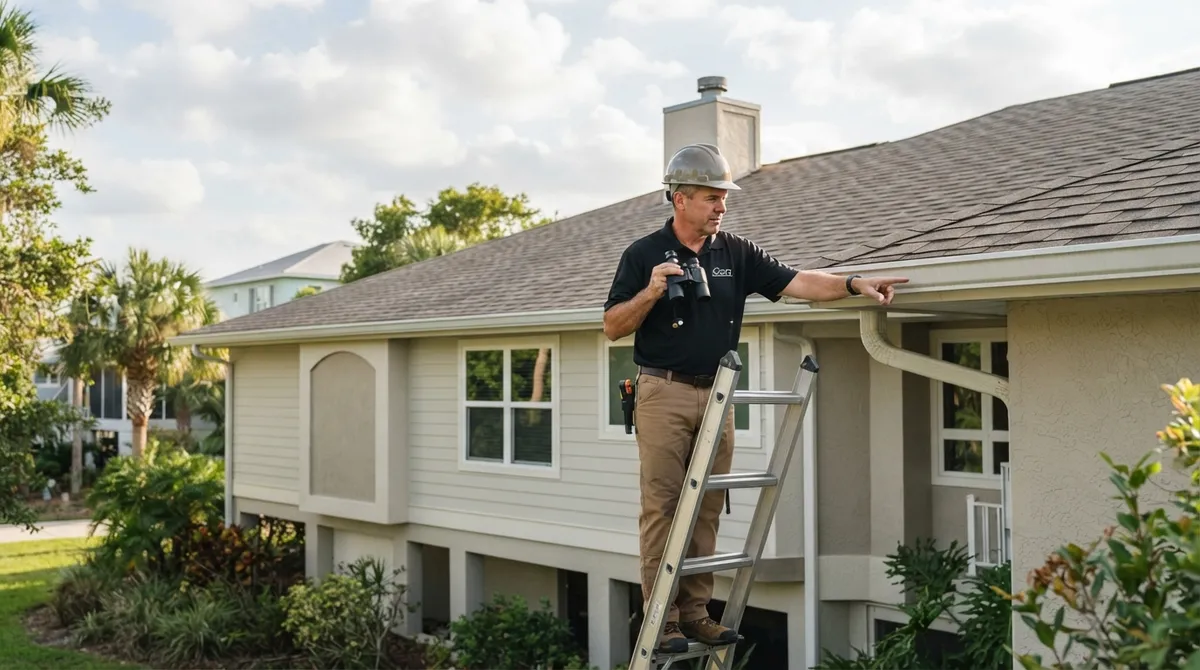
The best target is before June 1. Repairs often take time. Materials need to be ordered, permits may be needed, and good trades get booked up fast in the spring. If you wait until a storm is churning in the Gulf, you will be competing with everyone else for help.
That said, storms can form outside the official season, and it is never too late to improve your home’s readiness. If it is already mid-season, a prompt inspection is still worth it. Start with the highest-risk items first.
Your Pre-Hurricane Season Checklist
Here is a simple, room-by-room (and area-by-area) look at what a solid inspection should cover.
- Roof and roof connections. Look for loose, missing, or damaged shingles or tiles, worn flashing, damaged soffits and fascia, and any sign of leaks or rot.
- Windows and doors. Check frames, hardware, seals, and any sign of water getting inside.
- Garage door. Look at the door, tracks, and hardware for weakness or damage.
- Gutters, downspouts, and drainage. Make sure water moves away from the foundation.
- Exterior structures and equipment. Review carports, sheds, fences, pool enclosures, and HVAC units.
- Paperwork and permits. Confirm what work needs a permit and keep records of everything.
Let’s go through the big ones in more detail.
Roof Condition and Connections
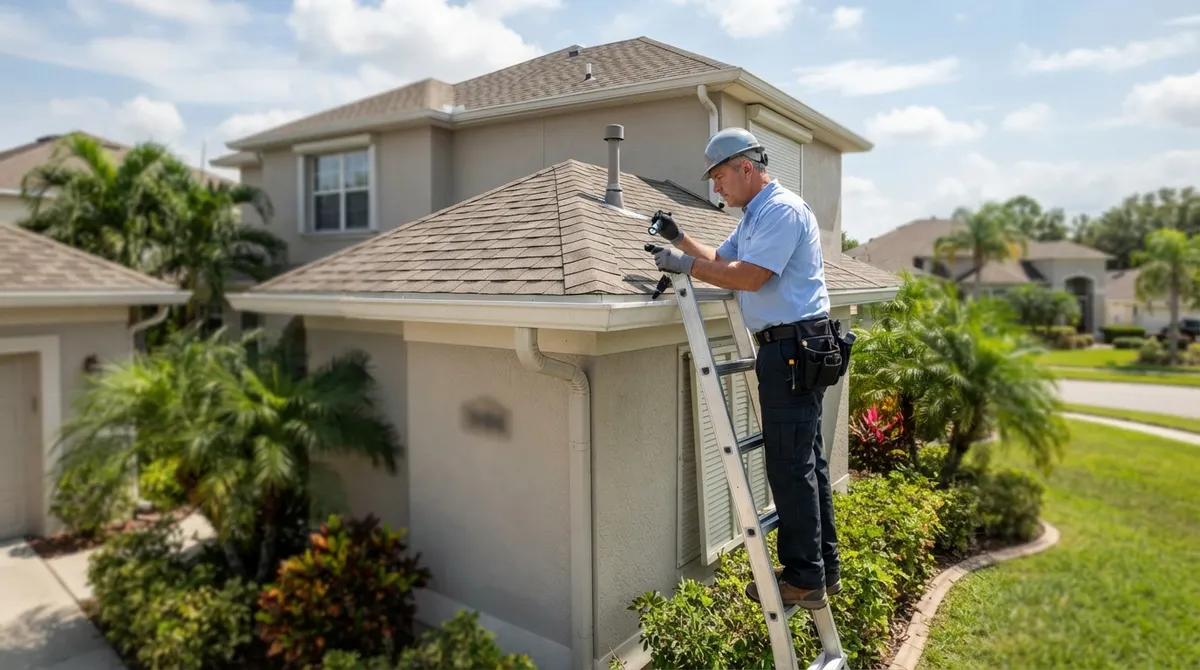
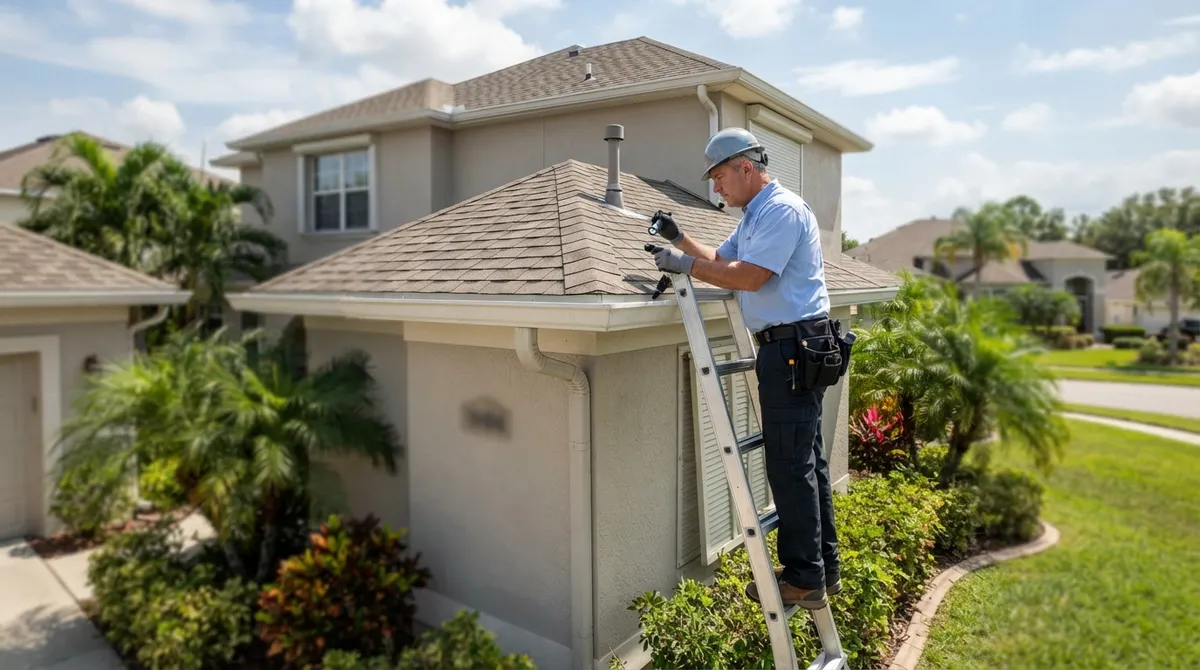
Your roof takes the first hit in a storm, so it deserves a careful look. From the ground, you can often spot missing or lifted shingles or tiles. Up close, a qualified professional can check flashing around vents and chimneys, the edges of the roof, and how the roof connects to the walls.
Also check the soffits and fascia. These are the trim pieces under and along the roof edge. If they are damaged or soft, wind and water can get into the attic.
Inside, step into your attic with a flashlight. Look for stains, damp insulation, daylight where there should be none, or a musty smell. These are early signs of leaks.
A quick and honest note: iCorry Construction does not perform roofing work. If your inspection points to roof repairs or a permitted replacement, you will want to hire a licensed roofing professional for that part. Meanwhile, we can help with the related framing, drywall, and interior repairs if water has already made its way inside.
Windows, Doors, and Garage Doors
Openings are where wind and rain love to sneak in. Walk around your home and check every window, exterior door, and the garage door. Look for:
- Cracked or damaged frames
- Weak, loose, or rusted hardware
- Failed seals or gaps around the frame
- Soft wood, peeling paint, or stains that suggest water intrusion
If your windows or doors are older or worn, ask a qualified contractor whether approved impact-rated products or properly fitted storm shutters make sense for your home. Do not assume that ordinary plywood or basic coverings give you tested wind protection. Product approvals matter, and so does proper installation.
Window and door replacement is something we handle as part of our home remodeling and renovations work. We can explain what is involved, including permits and product requirements, so you know what to expect before work begins.
Gutters, Grading, and Water Management
Not every storm brings wind damage. In Apollo Beach, heavy rain and rising water can be just as troublesome. Start with the simple stuff: clear gutters and downspouts, and make sure they direct water away from the foundation instead of toward it.
Next, look at the ground around your home. Does the soil slope away from the walls? Do you see low spots where water pools? Check lower-level openings, exterior penetrations (where pipes and wires pass through walls), and the bottom of doors for places water could enter.
If you find drainage trouble, talk with a contractor who knows local conditions. Some fixes are simple, like regrading or extending downspouts. Others, like waterproofing or exterior repairs, take more planning.
Exterior Structures and Equipment
Anything that is not firmly secured can become flying debris in high winds. That puts your home and your neighbors’ homes at risk. Take a walk around your property and check:
- Carports and sheds: Are they anchored properly and in good shape?
- Fences: Look for loose posts, rotted boards, or leaning sections.
- Pool enclosures: Check screens, frames, and anchors.
- HVAC equipment: Make sure units are secure and not damaged.
- Outdoor furniture and decor: Plan where these will go if a storm approaches.
When something needs repair or re-anchoring, use code-compliant methods and the right trades. A quick fix with the wrong hardware can fail when it matters most.
Quick Reference: What to Check and Who to Call
| Area | What to Look For | Who Typically Helps |
|---|---|---|
| Roof and flashing | Missing or loose shingles or tiles, worn flashing, leaks, rot | Licensed roofing professional |
| Windows and doors | Cracked frames, failed seals, weak hardware, water stains | Licensed remodeling contractor |
| Garage door | Damaged panels, tracks, or hardware | Garage door specialist or contractor |
| Gutters and drainage | Clogs, water pooling near foundation | Contractor familiar with local drainage |
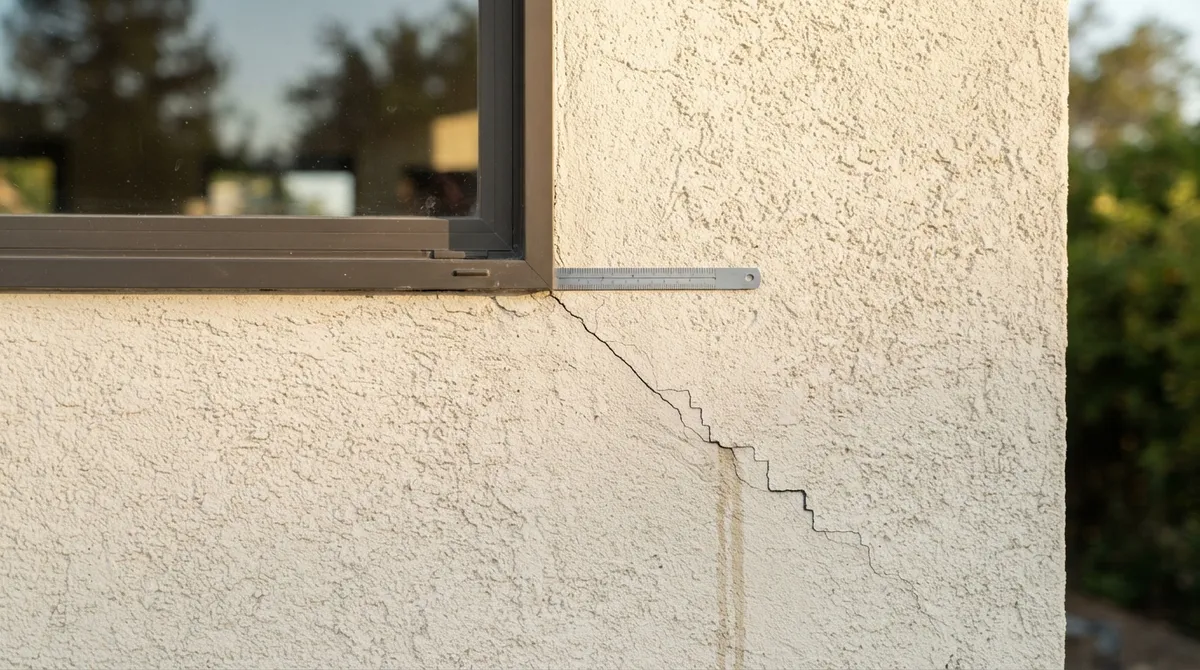
| Stucco and exterior walls | Cracks, gaps, moisture signs | Licensed remodeling contractor |
| Fences, sheds, enclosures | Loose anchoring, rot, damage | Qualified trades |
| Flood and evacuation info | Address-specific risk | FEMA flood map and Hillsborough County resources |
Do You Need a Permit for Hurricane Prep Work?
Often, yes. Many repairs and upgrades, such as structural work, window and door replacement, or major exterior changes, may require permits. Florida Building Code requirements apply to covered work, and local rules come from Hillsborough County or the relevant local authority. Before you start, confirm what applies to your project.
This is where hiring the right person really matters. An unlicensed contractor or handyman may skip permits to save time or money. That can leave you with code violations, trouble with insurance, and problems when you sell your home. We cannot guarantee permit approval, but we can help you understand what is likely needed, and our permit and code resolution help is there if you already have unpermitted work or an open code issue to sort out.
Keep Good Records
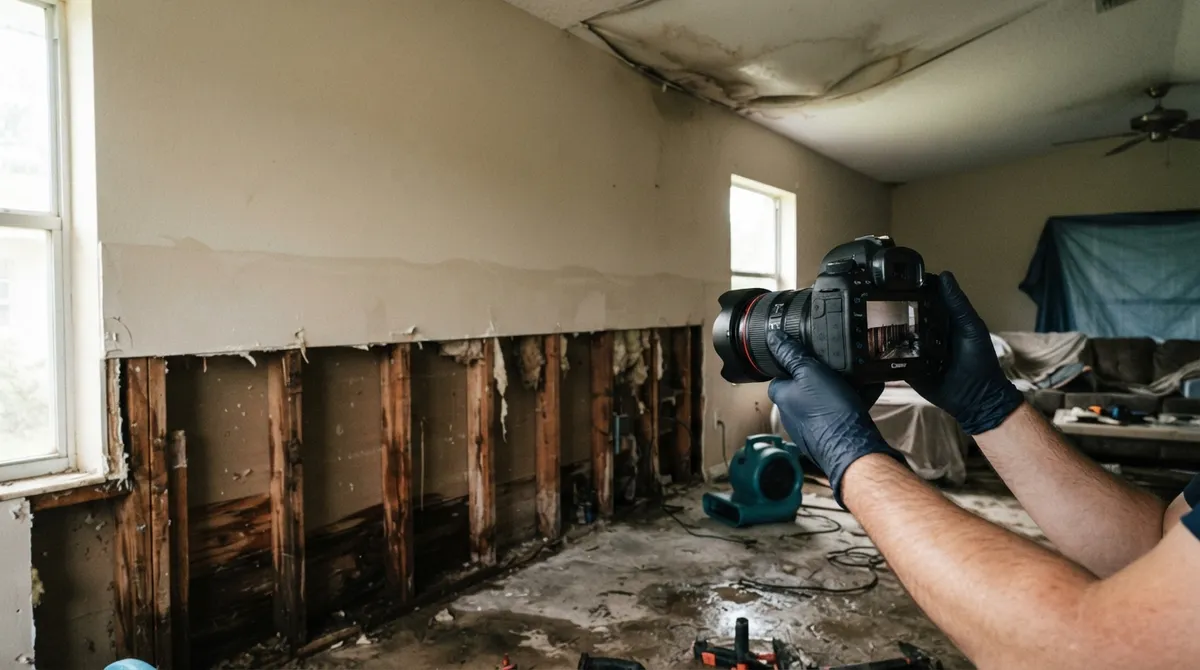
After any work, hold on to your paperwork. Save permits, inspection records, product approvals, receipts, and photos of the repairs. These documents can help if you ever file an insurance claim or sell the home.
What a Home Inspection Does Not Cover
It helps to set the right expectations. A general home inspection is a condition assessment. It records what the inspector can see and recommends follow-up where needed. It is not:
- A guarantee your home will survive a hurricane
- A replacement for a wind-mitigation inspection
- An insurance review or flood-risk assessment
- A substitute for official evacuation guidance
Ask your inspector to write down any defects they observe and to recommend a specialist when something is outside their scope. For insurance-related questions, those decisions stay between you and your insurance company.
Turning Inspection Findings Into Repairs and Upgrades
So you found a few problems. Now what? Here is a simple way to move forward.
- Sort by urgency. Active leaks, structural concerns, and damaged openings come first.
- Get the right professionals. Roof work goes to a licensed roofer. Plumbing and electrical go to qualified trades.
- Confirm permits. Ask before work starts, not after.
- Plan the bigger projects. Window replacement, stucco repairs, and waterproofing may take longer, so start early.
- Document everything. Photos and paperwork protect you later.
If the inspection turns up damage from an earlier storm or water intrusion, our storm, flood, and structural repairs cover reconstruction work such as framing, drywall, flooring, windows, doors, waterproofing repairs, and stucco and exterior repairs. Structural repairs to framing, concrete, and foundations are handled with engineering when it is required.
If you are already thinking about a larger project, such as updating a kitchen or bathroom, this is also a smart moment to bundle storm-ready upgrades into your plans. Our kitchen and bathroom remodeling work often includes new windows, waterproofing, and better finishes that hold up well in Florida’s climate. And for growing families, home additions, ADUs, and garage conversions can be planned with storm readiness in mind from the start.
How to Choose the Right Contractor
Hiring the right person matters even more when storm season is near. In Florida, you should verify that a contractor is properly licensed and insured. You can check a license through the state, ask for proof of insurance, and ask to see past work and references.
Be careful of anyone who pressures you to pay up front for everything, avoids talking about permits, or cannot show a license number. Our guide on how to hire a home remodeling contractor in Apollo Beach walks through what to ask. If you are dealing with storm damage and an insurance claim, choosing a storm damage repair contractor is worth a read too.
When you work with iCorry Construction, you work directly with Stephen Corry, our owner and license holder. Stephen has more than 20 years of construction experience and manages every project. You can read more about iCorry Construction, see what neighbors say when you visit our iCorry Construction page on Google, or follow iCorry Construction on Facebook to see our recent work.
For official storm-prep guidance, flood maps, and the latest seasonal outlook, the National Oceanic and Atmospheric Administration is a trusted source to bookmark.
Final Thoughts: Start Early, Sleep Easier
A pre hurricane season home inspection in Apollo Beach is one of the simplest ways to protect your home and your peace of mind. Check your roof, openings, drainage, and outdoor equipment. Confirm your flood and evacuation information. Use licensed professionals, pull the right permits, and keep your records. Small steps taken in spring can save you real stress later.
If your inspection turned up repairs, upgrades, or storm-related damage, we would be glad to help you sort out the next steps. Stephen can walk you through what work may be needed, what permits or engineering could apply, and how to plan the project. Contact us to request a free quote, or call us at (727) 637-7785. We respond to quote requests within 24 hours.
FAQs
Q: When should I schedule a pre-hurricane home inspection in Apollo Beach?
A: Aim to finish your inspection and any planned repairs before June 1, when hurricane season begins. Spring is a great time because contractors and materials are easier to line up. If the season has already started, it is still worth doing right away.
Q: How do I check whether my Apollo Beach home is in a flood zone or evacuation zone?
A: Look up your exact address on the FEMA flood map and check Hillsborough County’s evacuation-zone information. Risk can change from one street to the next, so do not rely on what your neighbors tell you. Your insurance agent can also help you understand flood exposure.
Q: Do I need a permit for hurricane-related window, door, or structural work in Hillsborough County?
A: Many of these projects do need a permit, since Florida Building Code requirements apply to covered work. Confirm with Hillsborough County or the local authority before work begins. A licensed contractor can explain what is likely required, though no one can guarantee permit approval.
Q: Are impact windows or hurricane shutters worth it in Apollo Beach?
A: They can add real protection when they are approved products and installed correctly. Ask a qualified contractor which option fits your home, budget, and openings. Avoid assuming ordinary coverings give you tested wind protection.
Q: How can I verify that a Florida remodeling contractor is licensed and insured?
A: Ask for the contractor’s license number and proof of insurance, then check the license through the state. A trustworthy contractor will gladly share this and talk openly about permits. Be cautious of anyone who avoids those questions.
Our Service Area