Key Takeaways
-
Verify any Apollo Beach remodeling contractor's Florida license through the DBPR online search, confirming it is active, matches the work type, and the name matches your contract.
-
Apollo Beach is unincorporated Hillsborough County, so remodeling permits go through Hillsborough County Development Services, not a city office; plumbing, electrical, structural, and HVAC work commonly need permits.
-
Check whether your property sits in a FEMA flood zone, since improvements totaling 50% or more of market value over 12 months may trigger current flood and building-code requirements.
-
County permits do not replace HOA approval; many Apollo Beach communities restrict exterior changes like additions, windows, doors, and paint colors, so review HOA rules before finalizing plans.
-
Get a written contract listing license number, scope, materials, payment milestones, change-order process, permit responsibilities, and warranty before any work begins.
-
Be wary of large upfront payments, pressure to skip permits, vague scopes, missing insurance proof, or bids far below other quotes, as these are common red flags.
Picking a home remodeling contractor in Apollo Beach is a big decision. Your home is likely your biggest investment, and a remodel puts it in someone else’s hands for weeks or months. The good news is that a little homework up front makes the whole process smoother, safer, and a lot less stressful.
Maybe you want a brighter kitchen. Maybe your family needs another bedroom, or a storm left damage you need fixed right. Whatever your project is, the steps for finding the right contractor are much the same. You need a real license, solid insurance, clear paperwork, and a plan for permits.
Apollo Beach also has a few local twists. We have canals, bay views, flood zones, and HOA rules that can change how a project gets built. In this guide, we will walk you through what to check, what to ask, and what to put in writing. Let’s get your project started on the right foot.
Why Hiring Locally Matters in Apollo Beach
A home remodeling contractor in Apollo Beach who knows the area has a real advantage. Local homes deal with salt air, high humidity, heavy summer storms, and sandy soil. Waterfront homes face even more wear from moisture and corrosion.
A contractor who builds here every week already knows which materials hold up. They also know how the county handles permits and inspections. That saves you time and surprises.
Here is what local experience helps with:
- Material choices: Corrosion-resistant fasteners, moisture-friendly finishes, and waterproofing that fits our climate.
- Permit know-how: Knowing what the county expects before you submit.
- Trade relationships: Reliable plumbers, electricians, and other pros who show up.
- Realistic scheduling: Planning around our rainy season and hurricane season.
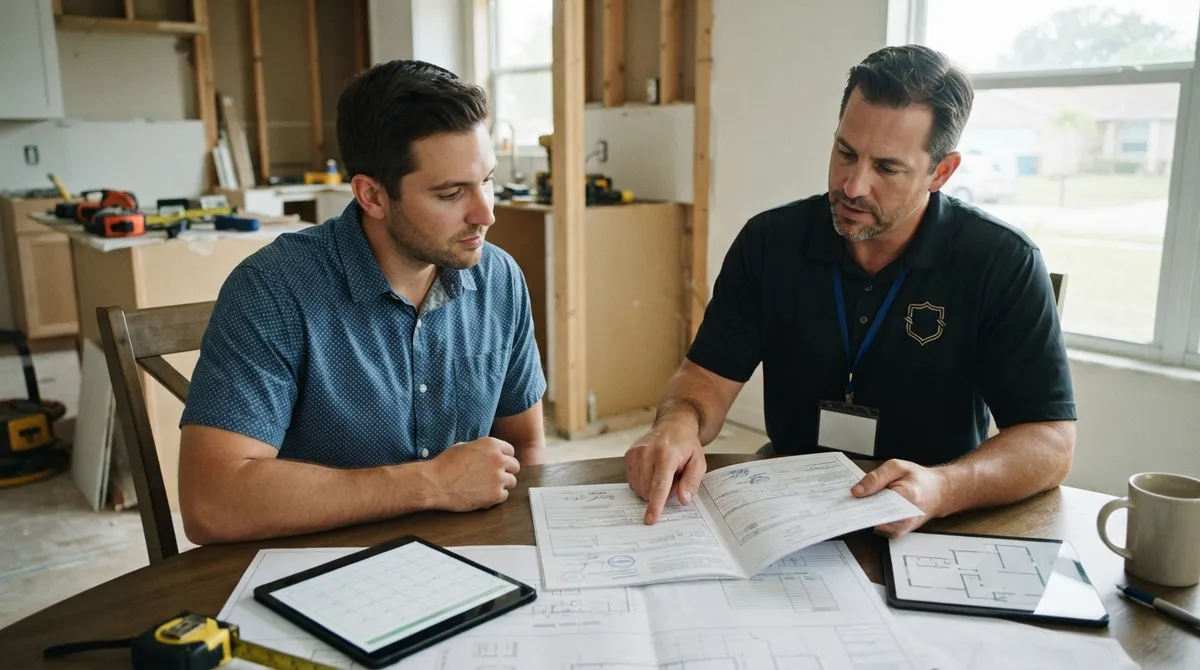
Step One: Verify the License and Insurance
This is the most important step, and it only takes a few minutes. Florida requires contractors to hold the proper license for the work they do. Hillsborough County advises homeowners to confirm that a contractor is properly licensed and insured before work begins.
You can check a license yourself using the Florida Department of Business and Professional Regulation’s online license search. Type in the contractor’s name or license number and look at the status.
What to Look For in a License Search
- The license is active and in good standing.
- The license type matches the work you want done.
- Any complaints or disciplinary history are clear to you.
- The name on the license matches the name on your contract.
Certified licenses work statewide. Registered licenses are limited to certain local areas, so ask which type your contractor holds. You should also ask for proof of general liability insurance and workers’ compensation coverage. Ask for a certificate, and do not be shy about it. Good contractors expect the question.
The Risk of Hiring Unlicensed Help
It can be tempting to hire a handyman who offers a lower price. But unlicensed work can leave you with unpermitted construction, code violations, and trouble when you sell or file an insurance claim. If someone gets hurt on your property and the worker has no coverage, you could be held responsible. A license protects you, and so does a permit.
At iCorry Construction (Florida License CRC1334854), we believe homeowners deserve to know exactly who is working on their home. That is why you work directly with Stephen Corry, the owner and license holder, from the first conversation to the final walkthrough.
Understanding Permits in Apollo Beach
Many people are surprised to learn that Apollo Beach is an unincorporated community in Hillsborough County. That means there is no separate city building department. Remodeling permits are generally handled by Hillsborough County Development Services.
According to the county, most construction requires approval. Structural, plumbing, electrical, and HVAC work commonly need permits. Simple cosmetic work, like replacing tile or cabinets by themselves, may not. But the details of your project matter, so always confirm before you start.
For example, a bathroom remodel that moves or replaces plumbing will likely need a permit. A kitchen remodel that opens a wall or changes electrical circuits will too. If you want help sorting out what your project needs, our permit and code resolution services are built for exactly that.
Before you sign anything, ask your contractor:
- Who will pull the permits?
- Who will schedule the inspections?
- What happens if an inspection fails?
- Are permit fees included in the price or listed separately?
We cannot promise any specific permit outcome, since the county makes those decisions. But a good contractor will handle the process openly and keep you informed at each step.
Flood Zones and the 50% Rule
Living near canals or Tampa Bay is a perk of Apollo Beach life. It also means your home may sit in a FEMA flood zone, and that can affect your remodel.
Hillsborough County uses a rule called the substantial-improvement threshold. If the cumulative cost of improvements over a 12-month period reaches or exceeds 50% of the building’s market value, the structure may need to meet current flood-damage-control and building-code requirements. This applies to properties in applicable flood hazard areas.
This matters most for big projects, like whole-home renovations, large additions, or major repairs after storm damage. It can change your design, your materials, and your budget. Ask your contractor early whether your property is in a flood zone and how the rule may apply to your plans.
Waterfront and Older Homes
If your home is near the water or was built decades ago, ask your contractor to check a few extra things before the design is final:
- Moisture exposure and any signs of past water intrusion.
- Corrosion-resistant materials for exterior work.
- The condition of existing plumbing and electrical systems.
- Any structural changes that might be needed.
These are project-specific checks, not rules for every home. But finding surprises early is always cheaper than finding them mid-demolition.
Don’t Forget Your HOA
County permits and HOA approval are two separate things. Some Apollo Beach communities have HOA or deed restrictions that control exterior changes. That can include additions, windows, doors, paint colors, and even visible equipment.
Check your HOA rules before you finalize your plans. Getting a permit does not mean your HOA has approved the work. Sorting this out early can save you from having to redo something later.
What Kind of Projects Can an Apollo Beach Remodeler Handle?
A full-service remodeling contractor can usually help with a wide range of projects. Here is how common projects line up with common needs.
| Project Type | Best For | Things to Plan For |
|---|---|---|
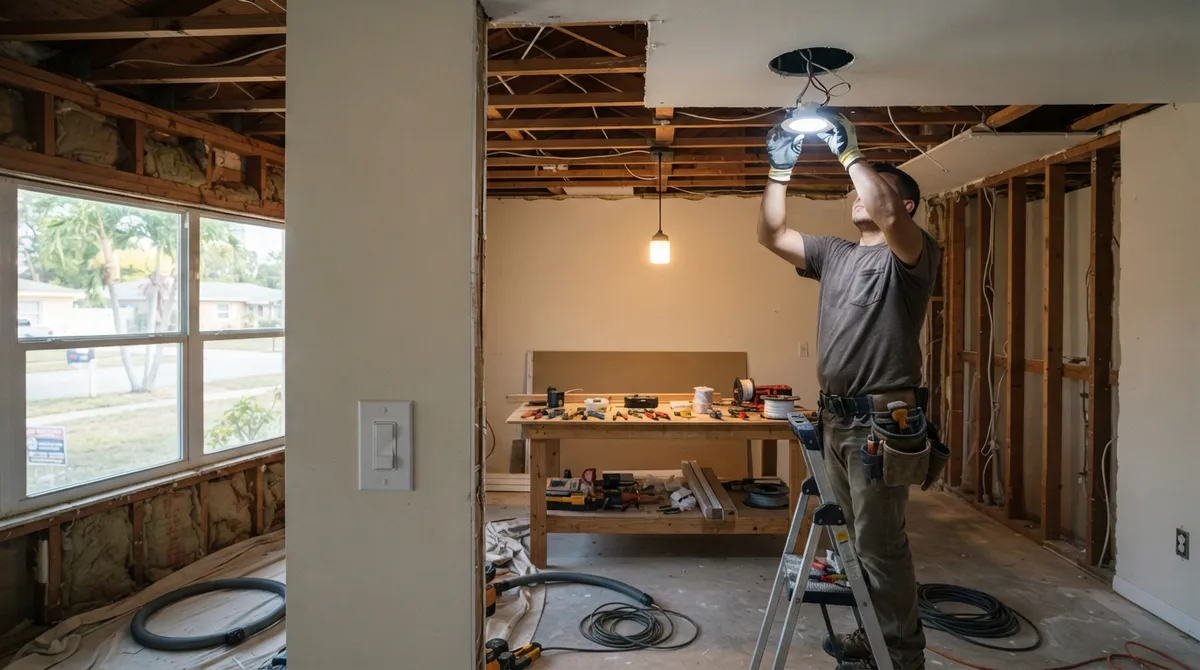
| Kitchen remodel | Homeowners wanting better layout, storage, and finishes | Cabinets, countertops, lighting, plumbing and electrical coordination, possible permits |
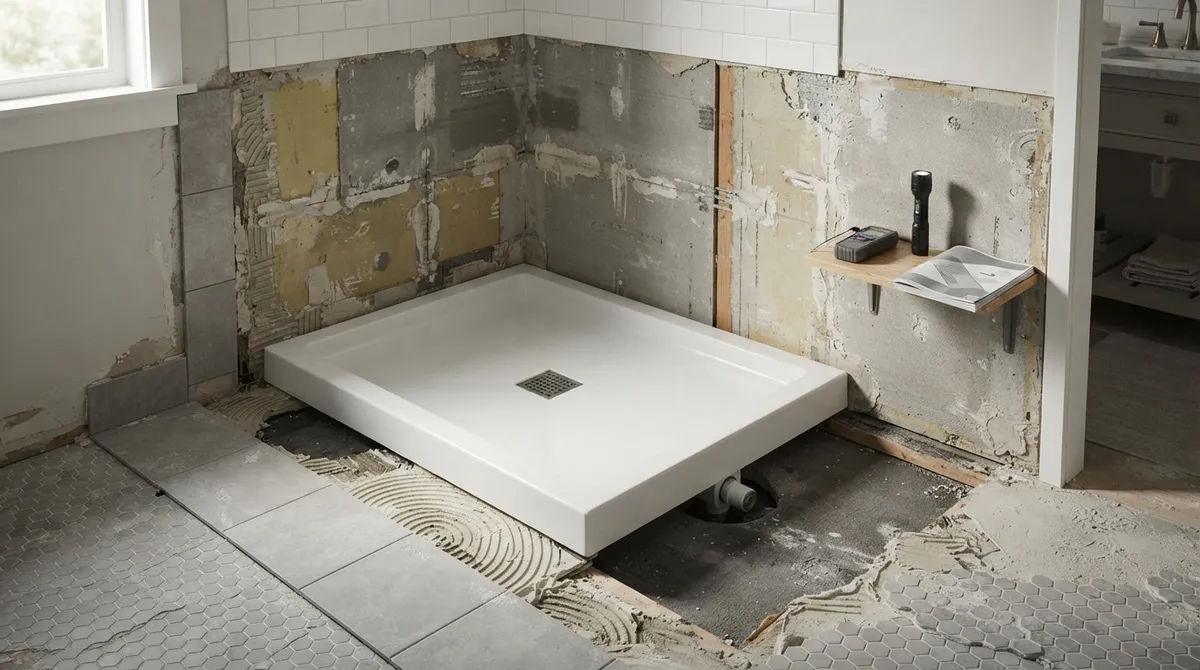
| Bathroom remodel | Updating showers, tubs, vanities, and tile | Waterproofing, plumbing work, ventilation |
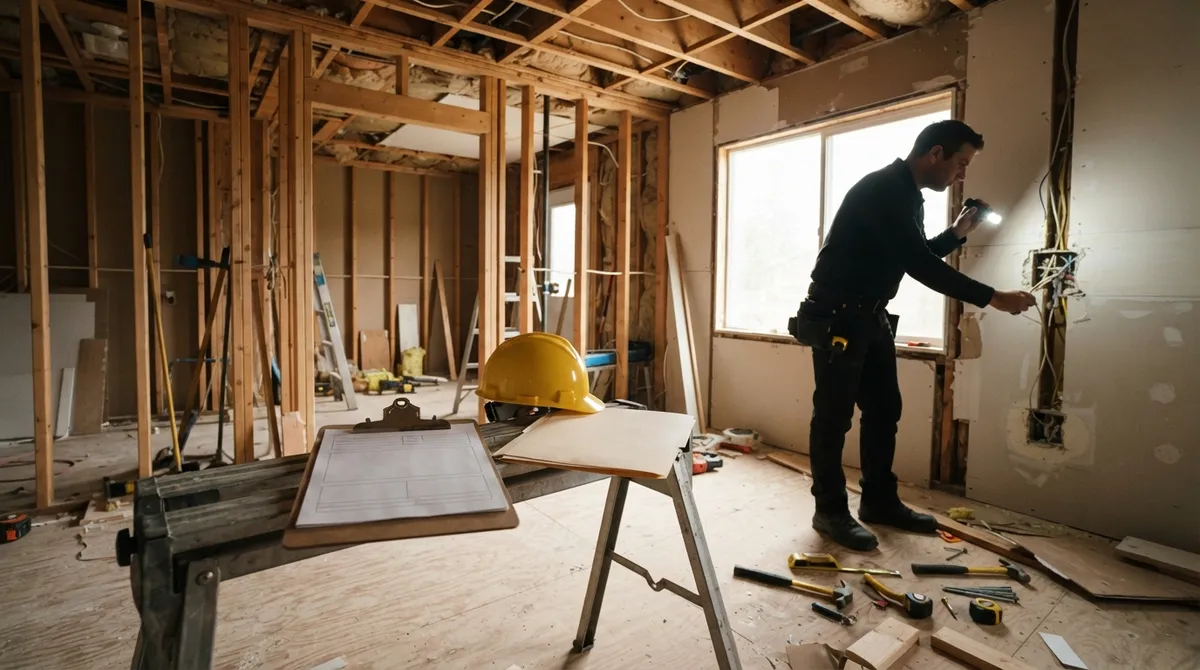
| Home addition | Growing families needing more room | Zoning, setbacks, permits, HOA review, possible engineering |
| Garage conversion or ADU | Guest suites, offices, extra living space | Zoning, utilities, site conditions, permitting |
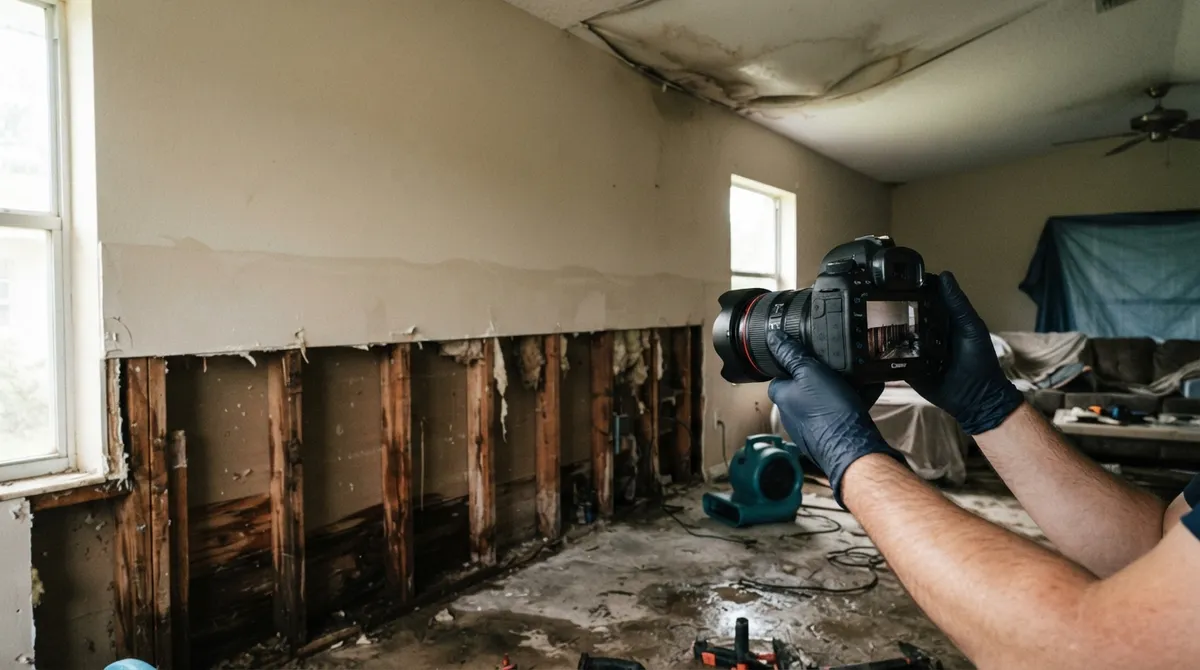
| Storm or flood repair | Homes with water or structural damage | Documentation, insurance conversations, structural checks, flood-zone rules |
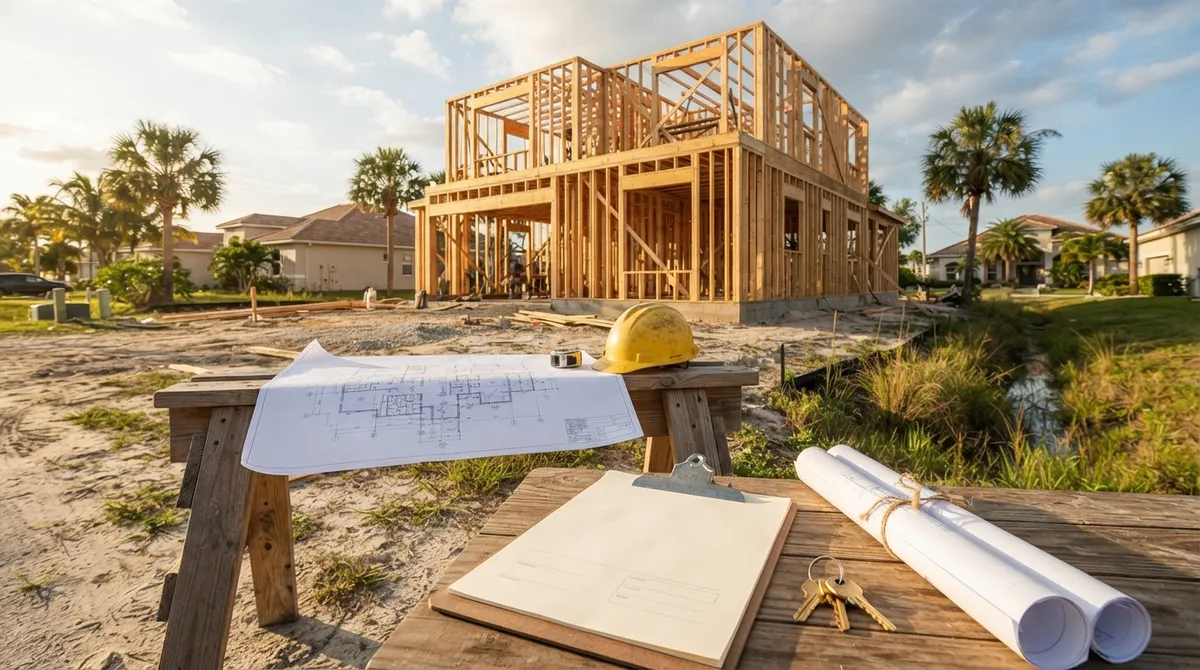
| New home construction | Owners with approved plans ready to build | Permits, foundations, framing, trade scheduling |
If you are planning a kitchen or bath update, our page on kitchen and bathroom remodeling shows what is included. For broader updates, see our home remodeling and renovations services. Thinking about materials? Our article on what to know before an all-wood kitchen remodel is a helpful read, especially in our humid climate.
For Families Who Need More Space
Many Apollo Beach families love their neighborhood and do not want to move. Adding a room, converting a garage, or building an ADU can be a great answer. But these projects come with extra steps.
Not every property qualifies for an ADU. Zoning, setbacks, utilities, and site conditions all need to be reviewed first. We do not provide in-house design or architectural services, but Stephen can explain what plans, design documents, or engineering your project needs. You can learn more on our page for home additions, ADUs, and garage conversions.
For Homeowners Dealing With Storm or Water Damage
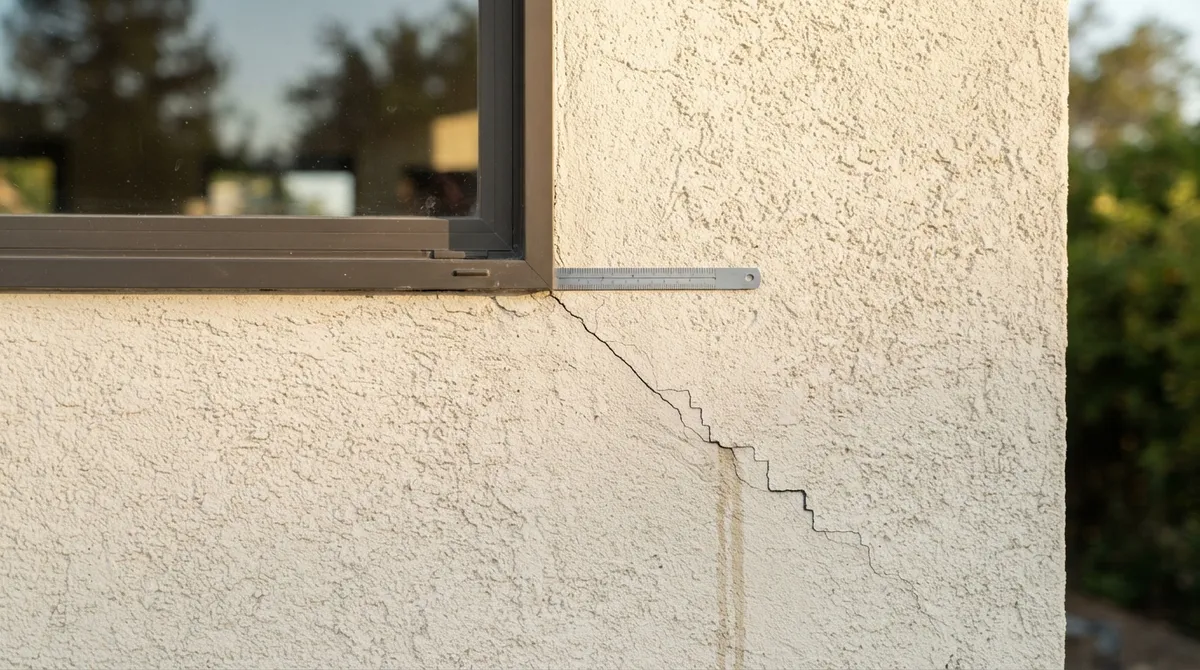
Storm and flood damage is stressful. You want your home safe again, and you want it fixed the right way. Repairs often involve framing, drywall, flooring, windows, doors, stucco, waterproofing, and sometimes structural work with engineering.
If you are working with an insurance company, a contractor can document visible damage and prepare a repair quote. Coverage decisions stay between you and your insurer, and a good contractor will never promise a claim outcome. Learn more about our storm, flood, and structural repairs. And if you plan to build from the ground up, see our new home construction page.
What Your Contract Should Include
A clear written proposal protects both sides. Do not start work on a handshake. Before you sign, make sure your contract spells out the following:
- Contractor details: Business name and Florida license number.
- Scope of work: A plain description of what will and will not be done.
- Materials and allowances: What is included and what you choose yourself.
- Schedule: Start date, expected timeline, and how delays are handled.
- Payment milestones: When payments are due and what they are tied to.
- Change-order process: How extra work is priced and approved in writing.
- Permit responsibilities: Who pulls permits and schedules inspections.
- Warranty: What is covered and for how long.
If hidden damage turns up during construction, a trustworthy contractor will stop and explain what they found, what the fix is, and how it affects cost or timing before moving forward. That honesty is a good sign.
Questions to Ask Before You Hire
When you meet with a contractor, you are interviewing them for an important job. These questions help you see who you are really dealing with:
- Who will manage my project day to day?
- Will I be able to talk directly to the person in charge?
- Have you done projects like mine in Apollo Beach?
- How do you handle surprises, like hidden water damage?
- How will you keep me updated?
- Can you share reviews or references from past clients?
Direct access matters. At iCorry Construction, Stephen Corry started in construction at age 14, building custom waterfront homes in the Madeira Beach area. He now has more than 20 years of experience in remodeling, construction, sales, and project management. When you hire us, you are not passed down a chain of people. You talk to the owner. You can read our story on the about iCorry Construction page.
Red Flags to Watch For
Most contractors are honest, but a few warning signs are worth knowing:
- No license number on the proposal, or a license that does not check out.
- A request for a large payment up front before any work starts.
- Pressure to skip permits to “save time or money.”
- A vague contract with no clear scope.
- No proof of insurance.
- Prices that are far below every other quote.
If you have inherited unpermitted work or a project another contractor left unfinished, you are not alone. Many homeowners come to us after a bad experience. The first step is understanding what was done and what needs to be corrected.
Why Cost and Timing Look Different for Every Home
You may be wondering about price. We cannot give you a fair number without seeing your home. Costs depend on the size of the project, the materials you choose, the age and condition of the house, permit needs, and flood-zone requirements. Anyone who quotes a firm price over the phone without seeing the property is guessing.
The best way to get a real number is a walkthrough where your contractor looks at your space, listens to your goals, and explains the scope. Ask for a written, itemized proposal so you can compare apples to apples.
How Working With Us Looks
We keep our process simple and open. Here is how a typical project moves along:
- We talk about your goals, priorities, budget, and timing.
- We define the work, including materials, permits, and any engineering needed.
- Stephen coordinates the approved work, the trades, and the schedule, and keeps you informed.
- We walk through the finished project together and review product and workmanship warranty information.
We serve homeowners within about 40 miles of Apollo Beach, including Riverview, Ruskin, Sun City Center, Brandon, Tampa, and more. Curious what our clients say? You can visit our iCorry Construction location on Google to read reviews, and you can follow iCorry Construction on Facebook to see our work. Learn more about our team and approach on our home page.
Ready to Start Your Remodel?
Choosing the right home remodeling contractor in Apollo Beach comes down to a few simple things. Check the license. Confirm the insurance. Get everything in writing. Understand your permits, your flood zone, and your HOA rules. And hire someone who answers your calls and treats your home like their own.
We would love to help. Contact us to request a free quote, or call us at (727) 637-7785. We respond to quote requests within 24 hours, and we are happy to talk through your ideas with no pressure.
FAQs
Q: How do I find a licensed home remodeling contractor in Apollo Beach, FL?
A: Start with the Florida DBPR online license search to confirm a contractor’s license is active and matches the work you need. Then ask for proof of insurance and read reviews from past clients. It only takes a few minutes and can save you a lot of trouble.
Q: Do I need a permit to remodel a kitchen or bathroom in Apollo Beach?
A: Often, yes. Hillsborough County says most construction needs approval, and plumbing, electrical, structural, and HVAC work commonly require permits. Simple cosmetic work like replacing tile or cabinets alone may not, so always confirm for your specific project.
Q: Who issues building permits for remodeling projects in Apollo Beach?
A: Apollo Beach is unincorporated Hillsborough County, so permits are generally handled by Hillsborough County Development Services. There is no separate city building department. Ask your contractor who will pull the permits and schedule inspections.
Q: How does Hillsborough County’s 50% substantial-improvement rule affect a remodel?
A: If the cumulative cost of improvements over a 12-month period reaches or exceeds 50% of a building’s market value in an applicable flood hazard area, the structure may need to meet current flood-damage-control and building-code requirements. This can affect design, materials, and budget on larger projects.
Q: Do I need HOA approval for remodeling work in Apollo Beach?
A: Possibly. Some Apollo Beach communities have HOA or deed restrictions, especially for exterior changes like additions, windows, doors, and visible equipment. HOA approval is separate from county permits, so check your association’s rules before you finalize plans.
Our Service Area